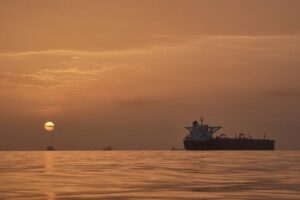
The Strait of Hormuz, a pivotal artery for global energy supplies, has come under increased threat as escalating conflict in the region extends to commercial shipping routes. Recent assaults on merchant ships in this narrow waterway, sandwiched between Iran and Oman, underline a new, volatile phase in the ongoing hostilities.
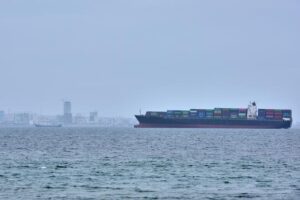
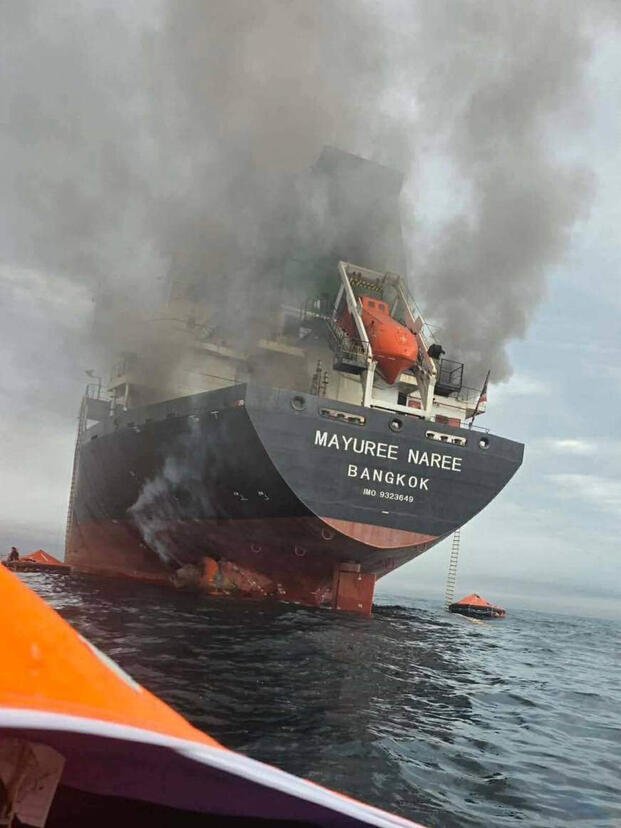
According to maritime security reports, multiple commercial vessels navigating the Strait of Hormuz were attacked this week. The Thai-flagged cargo ship, Mayuree Naree, was notably hit by two projectiles, resulting in an engine-room fire and significant structural damage. Of the ship’s crew, 20 members were rescued, while three remain unaccounted for. Other vessels, such as ONE Majesty and Star Gwyneth, also sustained damage while traversing this critical route linking the Persian Gulf and the Arabian Sea.
The escalation has not gone unnoticed by global energy markets, which are on edge due to the strait’s critical role in transporting around 20% of the world’s petroleum liquids. The waterway is a vital export channel for oil-rich countries like Saudi Arabia, the United Arab Emirates, Kuwait, Iraq, and Iran.
Strategic Importance of the Strait
Connecting the Persian Gulf and the Arabian Sea, the Strait of Hormuz is one of the world’s most sensitive maritime chokepoints. Oil tankers leaving Gulf ports pass through this corridor en route to international markets in Asia, Europe, and North America. According to the U.S. Energy Information Administration, approximately 20 million barrels of petroleum liquids traverse the strait daily, accounting for about a fifth of global petroleum consumption.
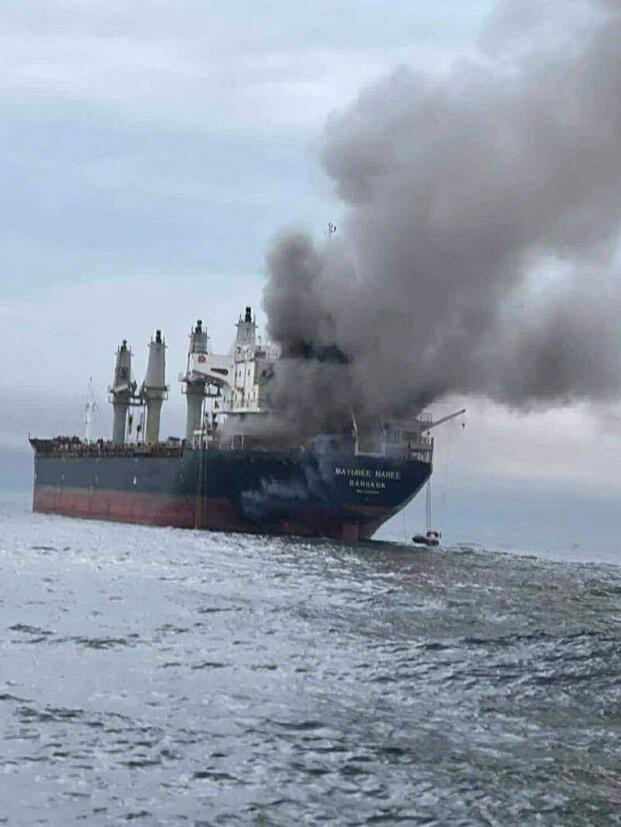
Any disturbance in this maritime passage can impact global shipping and elevate oil prices. Analysts caution that Iran could potentially threaten the strait using coastal weapons, including anti-ship cruise missiles, to disrupt shipping during a crisis. Read more on the strategic implications here.
Heightened Risks of Regional Tension
The recent maritime incidents have raised concerns about the potential for the conflict to spill over into broader shipping lanes. Iran has historically used maritime pressure as a tool in its strategic confrontations with the West. The country’s Islamic Revolutionary Guard Corps Navy (IRGCN) is known for harassing foreign vessels, seizing tankers, and threatening to block the Strait of Hormuz.
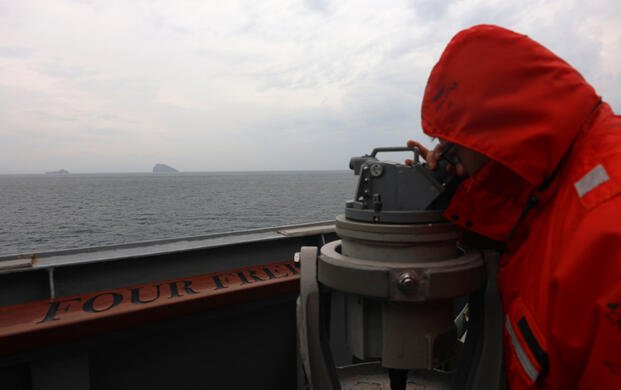
Past actions have included tanker seizures and sabotage attacks in the region. Iranian forces have previously boarded and impounded vessels navigating the strait amid rising tensions with the U.S. and its allies. Learn more about past incidents.
US Naval Presence
The U.S. Navy’s Fifth Fleet, headquartered in Bahrain, regularly patrols the Persian Gulf and the Strait of Hormuz to safeguard commercial shipping and deter attacks on vessels. These efforts are part of the broader mission of the U.S. Central Command. Warships, patrol aircraft, and coalition naval units continuously monitor traffic through the waterway.
During past crises, U.S. forces have escorted commercial vessels to ensure their safe passage through the strait. Find out more about U.S. naval operations in the region.