U.S. Army Expands Missile Defense Mission to Tackle Emerging Threats
HUNTSVILLE, Ala. — The U.S. Army is poised to broaden its role in homeland defense, shifting focus from solely countering intercontinental ballistic missiles (ICBMs) to addressing a wider array of threats such as drones, cruise missiles, and hypersonic weapons. This development was shared by Lt. Gen. Sean Gainey, commander of the Army Space and Missile Defense Command.
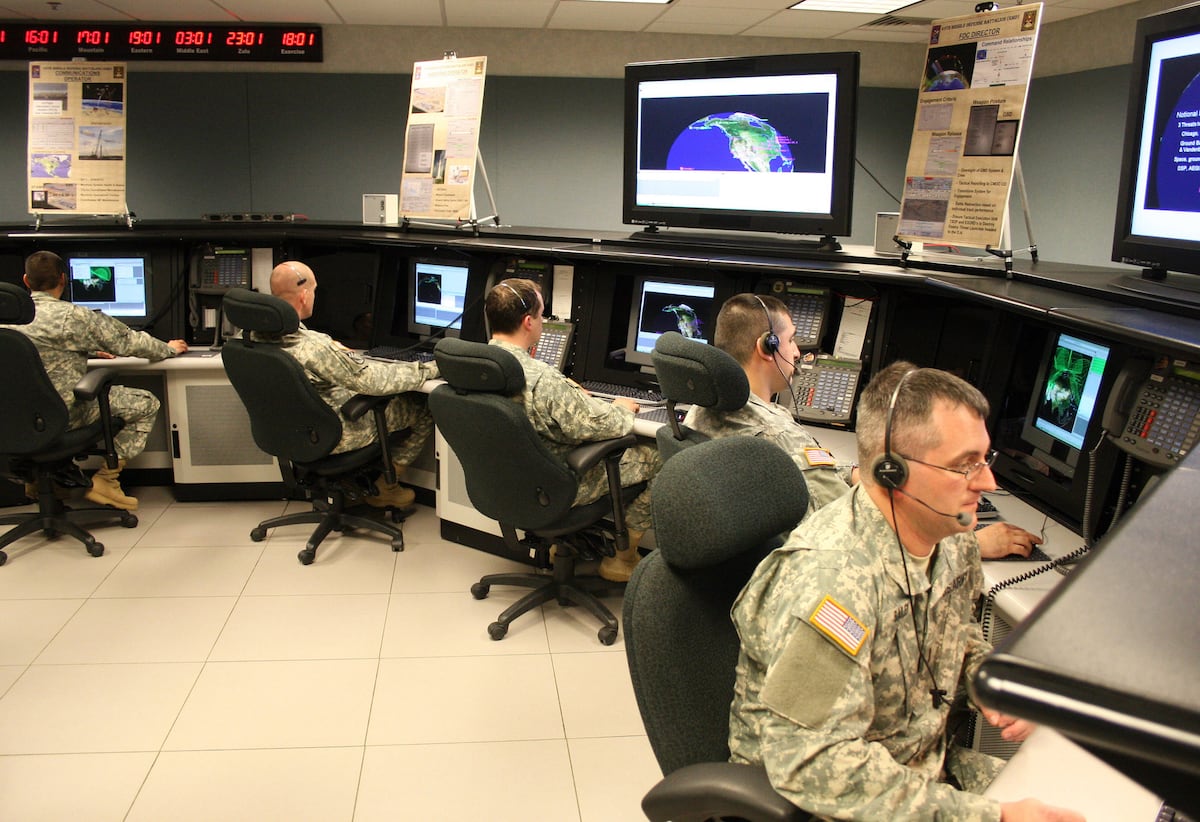
Currently, the Army manages the Ground-Based Midcourse Defense (GMD) system, aimed at protecting against ICBMs from nations like North Korea and Iran, through its 100th Missile Defense Brigade. This system includes 44 interceptors stationed underground at Fort Greeley, Alaska, and Vandenberg Space Force Base in California. The brigade comprises National Guardsmen along with active-duty soldiers.
As the Defense Department continues to refine President Donald Trump’s Golden Dome homeland missile defense shield, the Army has been working on systems to counter a variety of drones and cruise missiles, including solutions to tackle drone swarms.
Moreover, the Army is spearheading the acquisition of systems that will integrate into Guam’s developing air and missile defense infrastructure. These capabilities include the Patriot air-and-missile defense system, a next-gen missile defense radar, and the Indirect Fire Protection Capability system, designed to protect against cruise missiles, drones, rockets, artillery, and mortars.
The Army, which currently operates as the space component for the GMD system under U.S. Northern Command, will transition into the service component command for all air-and-missile defense. “That aperture has been opened,” Gainey stated, emphasizing that the Army’s role will expand under the leadership of Gen. Gregory Guillot for all air and missile defense.
This transition will also reorganize CONUS-based Army Air and Missile Defense Commands (AAMDCs) under the Space and Missile Defense Command (SMDC), providing them with a higher headquarters proficient in homeland defense operations. Gainey noted that this shift will enhance coordination and mission optimization between the AAMDCs.
Additionally, Gainey, who oversees the Joint Functional Component Command for Integrated Air and Missile Defense (JFCC IAMD), mentioned that his team is gearing up to support homeland defense more directly. JFCC IAMD currently focuses on assessing missile capabilities, enhancing multinational missile defense, and executing joint training exercises.
The upcoming Army Space and Missile Defense strategy, expected to be released soon, will outline the extended role. This strategy addresses emerging threats like drone warfare, the necessity of artificial intelligence for managing operator workloads, and complex regional threats that could potentially target the U.S. homeland.
A significant aspect of the new strategy will include “missile defeat” tactics, going beyond traditional defense methods. Gainey remarked, “The masses [of threats] introduce a whole new element into the calculus.” The new approach aims to provide a more comprehensive defense solution.
While the details are still evolving, Gainey expressed enthusiasm about the Army’s future in homeland defense, stating, “We’re pretty excited about those opportunities of going from GMD to more holistic air and missile defense.”