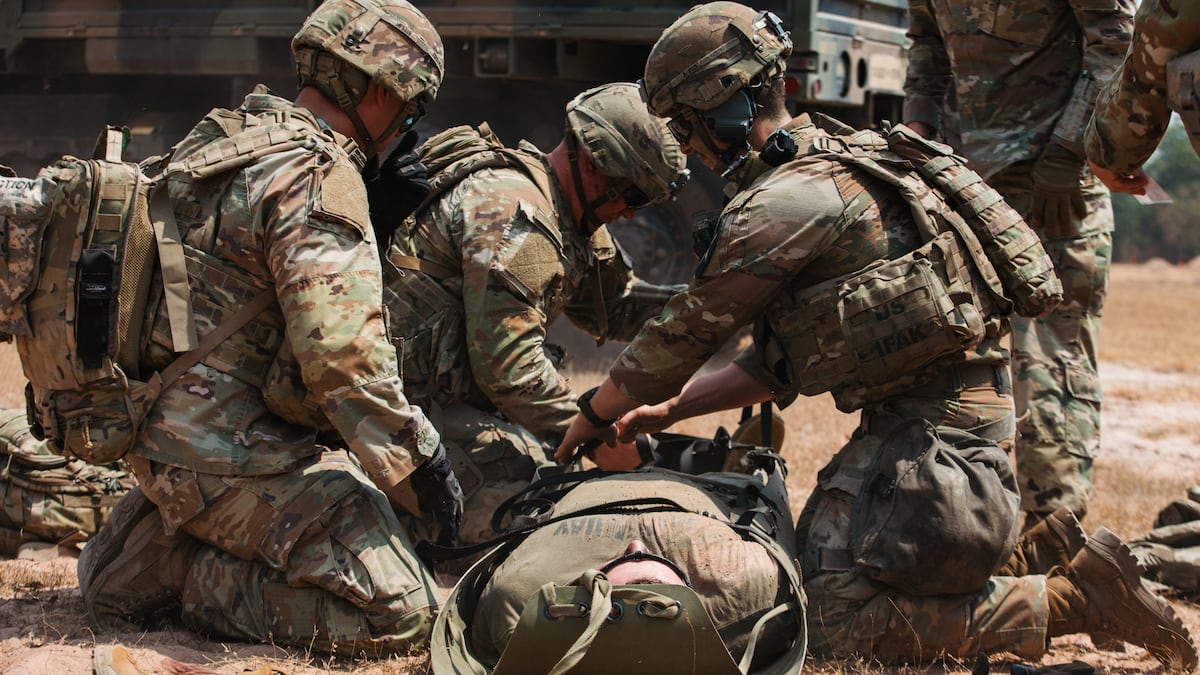
As the nature of warfare evolves, the U.S. Army faces the pressing task of updating its medical evacuation strategies to meet the challenges of large-scale combat scenarios. Top enlisted leaders have highlighted the urgent need for modernization in this area, particularly in light of the high casualty numbers observed in the ongoing Russia-Ukraine conflict.
During a panel discussion at the Association of the U.S. Army’s annual meeting in Washington, command sergeants major discussed the potential for future conflicts to produce casualty figures far exceeding those encountered by U.S. forces in recent wars. A primary concern is the current limitations in moving large numbers of injured personnel from the battlefield.
Command Sgt. Maj. James Light, the leading enlisted figure for the 1st Cavalry Division, emphasized, “Everything that has wheels or tracks has a casualty on it, unless it has a main gun on it.” This statement underscores the challenge even for divisions equipped with a wealth of armored vehicles, compared to lighter Infantry Brigade Combat Teams.
Command Sgt. Maj. Oracio Pena, representing the Joint Readiness Training Center, pointed out the constraints faced by infantry brigades that depend on Humvees and infantry squad vehicles, which are limited to transporting one patient at a time.
Additionally, there is a noted deficiency in effective casualty evacuation plans at the platoon and company levels during training exercises, as observed by Command Sgt. Maj. Jesus Gonzalez of the U.S. Army Medical Center of Excellence.
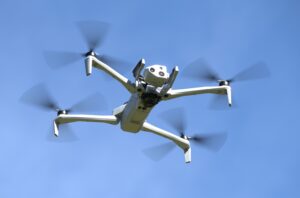
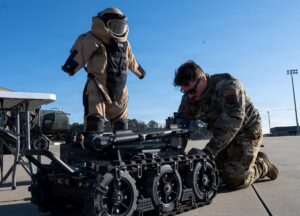
Efforts to address these challenges include upgrading medical equipment and enhancing training for both medical and nonmedical personnel. The Army is modernizing Warrior Aid and Litter Kits, deploying combat paramedics within the Mobile Maneuver Battalion, and exploring the use of aerial drones and unmanned ground vehicles. These technologies assist in locating casualties, scouting evacuation routes, and delivering medical supplies from battalion aid stations to frontline medics.
Furthermore, the Army aims to increase the number of combat lifesavers per squad and update lifesaver training protocols, incorporating techniques such as tourniquet conversion, freeze-dried plasma, and rapid blood typing to better prepare soldiers for lifesaving missions on the battlefield.