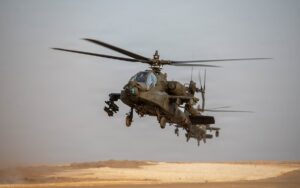
In the event of a U.S. conflict with China, the U.S. Army’s role may pivot towards its rocketry capabilities. As battles across the Pacific are likely to be dominated by air and naval forces, the Army’s long-range munitions could serve as a critical asset.
While an Army-led ground assault on Shanghai is improbable, its missile systems can engage targets deep within Chinese territory. The Army boasts a variety of long-range weapons, such as the Precision Strike Missile, the Typhon Strategic Mid-Range Fires system, and the Dark Eagle Long-Range Hypersonic Weapon. These systems have ranges from 1,000 to nearly 3,000 kilometers.
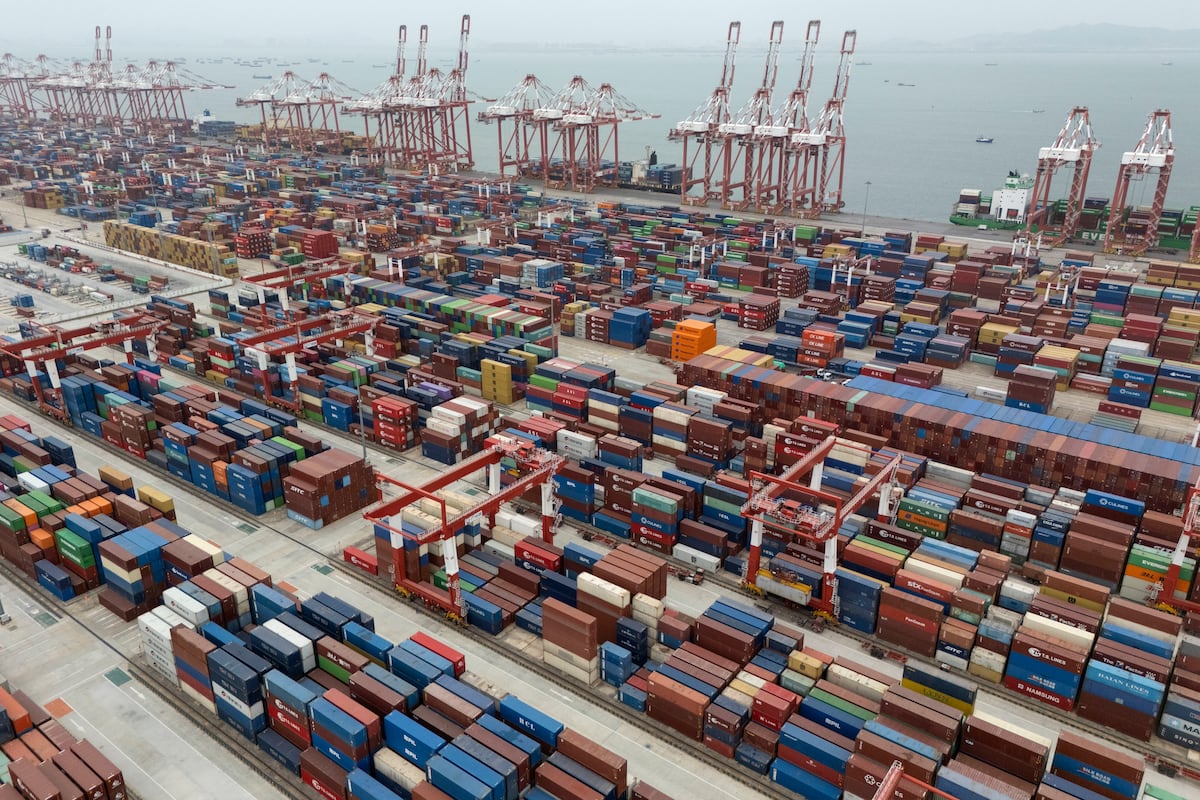
Key strategic targets could include Chinese ports, vital for supporting maritime operations and trade. However, an Army National Guard officer cautions against damaging such infrastructure, suggesting preservation for post-conflict recovery. Capt. Micah Neidorfler, in an essay for Military Review, argues that maintaining Chinese maritime infrastructure could aid in postwar trade restoration.
Despite the traditional U.S. military strategy of crippling enemy infrastructure, Neidorfler suggests that the economic interdependence between the U.S. and China might make such actions counterproductive. He notes that while U.S. doctrine targets ports, the repercussions of a crippled Chinese economy could backfire.
Neidorfler proposes a tactical approach: targeting specific components of ports to temporarily disrupt operations without causing permanent damage. This would allow for quick repairs and resumption of trade, minimizing escalation risks.
The Army’s role in a Pacific conflict is more than just a backup, as it has developed capabilities in command and control, joint force sustainment, air defense, and long-range fires. Still, the potential for attacking Chinese ports involves significant political considerations, given China’s nuclear capabilities.
An alternative strategy by Neidorfler involves capturing Chinese-owned ports in other countries, utilizing them as leverage or preventing their use for military purposes. China’s foreign port investments are substantial, covering 129 projects globally. This approach, however, involves political complexities regarding national sovereignty.
U.S. experts remain skeptical about these strategies. Lonnie Henley from the Foreign Policy Research Institute questions the feasibility and necessity of such moves, emphasizing the substantial missile capabilities of the U.S. Air Force and Navy. “Who knows what some future president in some unspecified global circumstances would decide,” Henley remarked, highlighting the unpredictable nature of strategic decisions.
Neidorfler acknowledges the unconventional nature of his proposals, emphasizing the need for a peace agreement post-conflict. “If the U.S. Army is truly preparing for a conventional war, it must recognize that any settlement must be mutually acceptable for it to last,” he concluded.