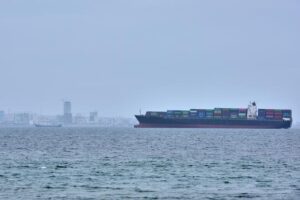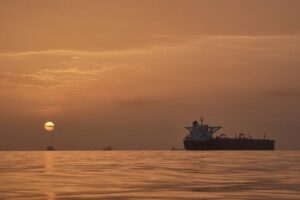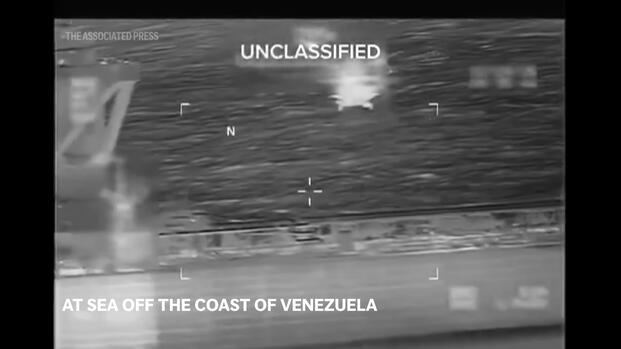
In a significant maritime operation, the United States has deployed military forces to the Caribbean to impose a “quarantine” around Venezuela. This move, as described by the White House, focuses on stopping oil tankers associated with Venezuelan President Nicolás Maduro. The operation showcases U.S. President Donald Trump’s determination to increase pressure on the Venezuelan government.
Around 15,000 U.S. military personnel, including warships, aircraft, and Marines, have been stationed in the Caribbean and Gulf of Mexico to enforce this new strategy. Although the Pentagon has not specified the exact numbers, the initiative marks one of the largest maritime enforcement actions of Trump’s presidency. While the action is not officially termed a blockade, vessels will be inspected, and any sanctioned fuel will be prevented from passing through these waters.
The U.S. Coast Guard has refrained from discussing specifics regarding enforcement thresholds or criteria for boarding vessels. Meanwhile, officials in both Caracas and Washington are preparing for potential confrontations. Earlier military deployments saw U.S. Marine units positioned near Venezuela’s coast, causing Venezuelan forces to shift to a wartime alert status, emphasizing the fragile nature of the situation.
The Line Is Drawn
U.S. forces are acting under existing sanctions enforcement and maritime law, which allows for the boarding of vessels suspected of concealing their origin or breaking international reporting regulations. The protocols aim to hinder what the U.S. describes as “illicit” tanker activities, such as flag spoofing and ship-to-ship transfers, which could lead to diplomatic tensions if inspections are resisted.
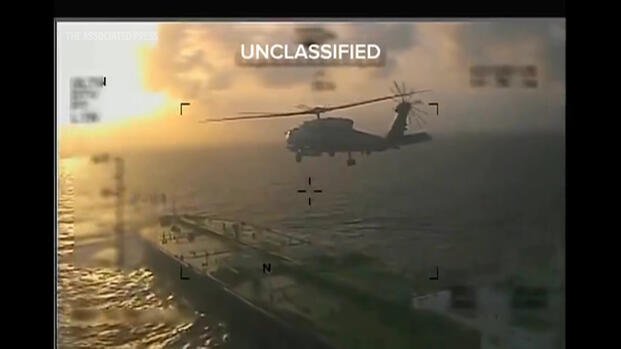
The Pentagon has not outlined procedures for escalation if a tanker refuses inspection or seeks assistance from foreign military forces. The Trump administration argues that these measures are necessary to cut off financial resources that allegedly support Maduro’s networks of corruption.
Since 2019, sanctions on Venezuela’s state oil company, PDVSA, have intensified, with the Trump administration claiming that maritime enforcement is the last viable strategy to provoke change. Previous operations have already seen U.S. forces intercept multiple oil tankers en route to Venezuela.
Steel, Sanctions and Sea Power
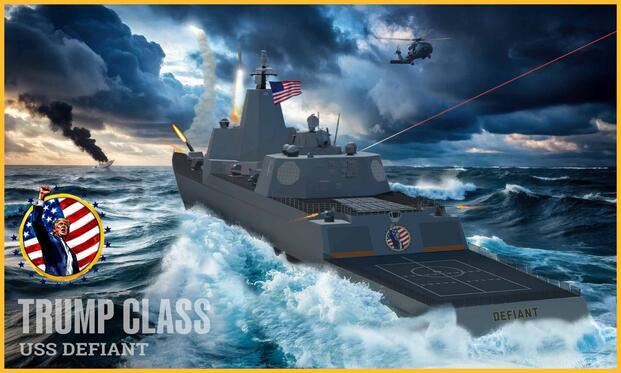
The maritime campaign is tied to a broader push by Trump to expand the U.S. Navy, which includes larger ships and more advanced technology to sustain long-term interdiction missions. This naval expansion is part of a vision to maintain power projection without relying on swift repositioning of forces.
Venezuelan officials have criticized the U.S. actions as piracy and interference, asserting that any hostile acts will be considered aggression. They claim that the U.S. aims to destabilize the Venezuelan economy rather than encourage reforms. Legal experts suggest that the situation presents complex challenges involving sovereignty, sanctions, and international maritime law.