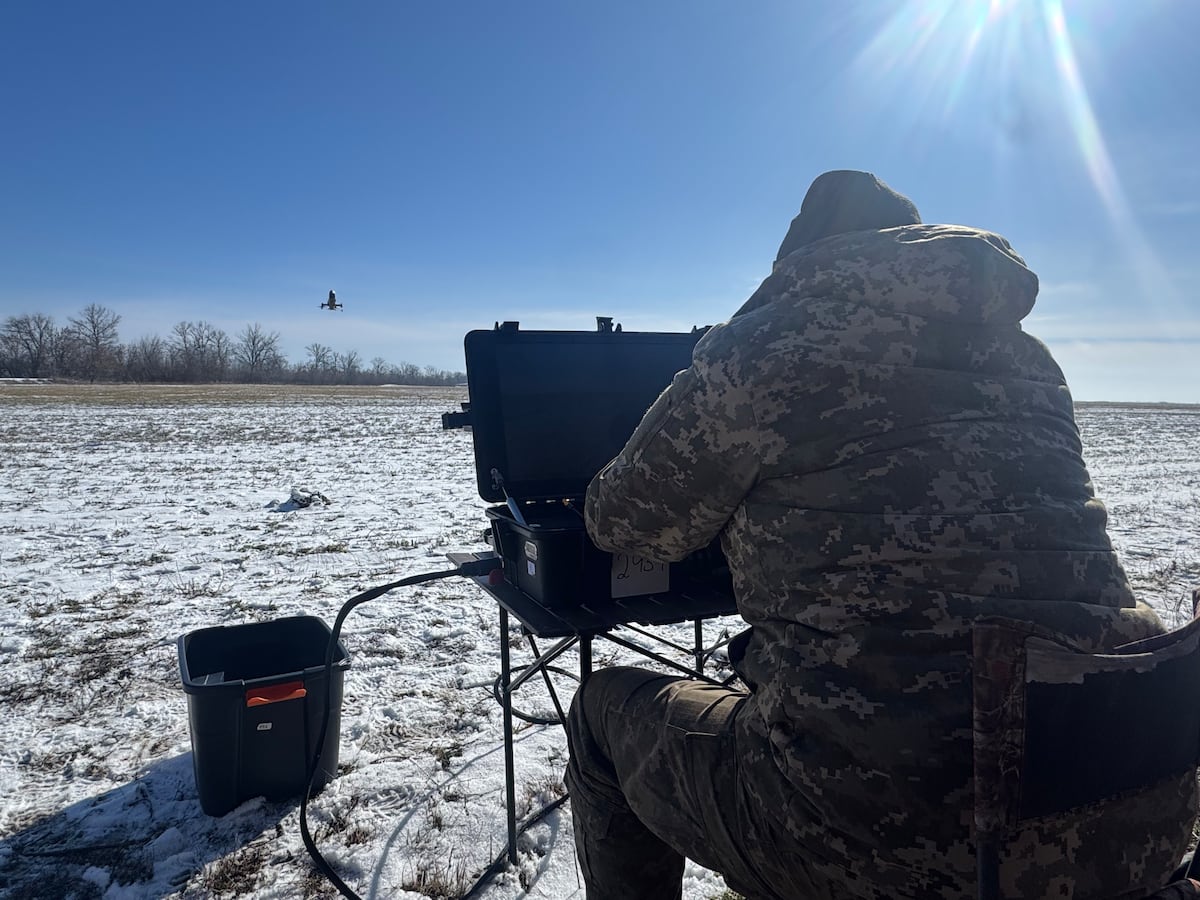
In an unexpected twist of modern warfare, Ukraine’s air defense strategy is increasingly dominated by cost-effective drones. These interceptor drones, which are cheaper than some used cars, are proving to be formidable adversaries against Russian aerial targets.
Particularly over Kyiv, these interceptor drones have demonstrated significant effectiveness. As per Ukraine’s Commander-in-Chief Oleksandr Syrskyi, more than 70% of Shahed drone downings in February were attributed to these interceptors, according to his announcement.
The economics of war paint a stark picture. Ukraine faces an 85-to-1 cost disadvantage when using expensive missile interceptors like the Patriot, which cost over $3 million, against Russia’s Shahed drones, priced at a mere $35,000 according to the Center for Strategic and International Studies. However, with each interceptor drone costing between $3,000 and $5,000 and having a success rate over 60%, they offer a more viable solution, as highlighted by President Zelenskyy in a Fox News interview.
“We are the first in the world to have a system of destroying drones with drones in the air,” stated Col. Yuriy Cherevashenko in a video commemorating the fourth anniversary of Russia’s full-scale invasion. This innovative approach has become a cornerstone of Ukraine’s aerial defense, emphasizing ingenuity over financial might.
The rapid evolution of these drones is a response to Russia’s increased use of Shahed drones, overwhelming Ukraine’s missile defenses. Alona Zhuzha from Ukraine’s Defense Procurement Agency remarked to Military Times on the critical need for these interceptors, especially during the winter months.
Production of these drones has surged, with the National Security and Defense Council reporting 100,000 units manufactured in 2025, significantly increasing from previous figures. This expanded production has allowed Ukraine to deliver over 1,500 interceptor drones daily to frontline units in recent months, according to the MOD.
Despite this progress, Russian technology also evolves. Russia has equipped drones with infrared spotlights and air-to-air missiles, according to Serhii Beskrestnov on Telegram. Additionally, decoy drones now form a significant portion of Russian attacks, as reported by Defence-UA.
Ukraine’s defense now includes various interceptor classes, from FPV airframes for close-range targets to high-speed models for jet-powered threats. The country is also developing networked defense systems to improve coordination across sectors, as noted by Ukrainska Pravda.
Lazar’s Group, part of the National Guard, exemplifies this strategic shift, using both strike and interceptor drones to significant effect. The group has reportedly destroyed over $15 billion in Russian military equipment, contributing to Ukraine’s broader military evolution.
Challenges remain, particularly in sensor technology and electronic warfare. Phoenix, a commander in Lazar’s Group, emphasized the need for improved radar systems. “Without good radar — durable sensors, strong [electronic warfare] defense, etc. — it’s very difficult,” he explained to Military Times.
Despite these hurdles, Ukraine continues to innovate. The country builds its own interceptor drones to resist electronic jamming and adapts to operational challenges like battery endurance and operator fatigue. As Kyiv strengthens its drone defense capabilities, it simultaneously contributes to broader European security, as President Zelenskyy articulated at the Munich Security Conference.