U.S. Military’s Controversial Drug Boat Strikes Under Congressional Scrutiny
In an unprecedented move, the U.S. military has come under intense scrutiny following a series of operations targeting drug-laden vessels in international waters near Venezuela. The operations, which have resulted in the destruction of over 20 boats and the deaths of more than 80 people, have sparked a heated debate among lawmakers and military experts.
On September 2, a significant incident occurred when the U.S. military targeted a boat suspected of carrying drugs, later engaging in a second strike against survivors clinging to the wreckage. The operation, ordered by Navy Admiral Frank “Mitch” Bradley, has raised questions about the legal and ethical underpinnings of such military actions.
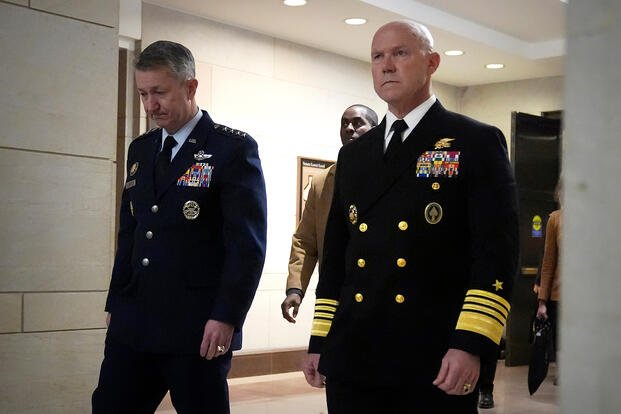
Admiral Bradley, in a briefing to congressional lawmakers, clarified that Defense Secretary Pete Hegseth did not issue a “kill them all” order. However, Democratic lawmakers argue that the mission’s intent was clear — to eliminate the drugs and the 11 people aboard. This new strategy, justified by the Trump administration as a deterrent against drug trafficking to the U.S., has raised concerns about potential violations of international laws safeguarding human rights.
According to reports, the targeted boat was allegedly en route to connect with another vessel headed for Suriname. Lawmakers were informed of this detail by a source who wished to remain anonymous. This incident is seen as a pivotal moment for the Trump administration’s military strategy, testing the boundaries of laws governing military conduct.
Details of the Incident
During the congressional briefing, Bradley explained that the second strike was intended to prevent the retrieval of cocaine from the boat by cartel members. The rationale behind the operation is based on a legal opinion from the Department of Defense, which treats drug traffickers as akin to terrorist threats, thus justifying military intervention.
Despite assurances from some lawmakers, such as Sen. Tom Cotton, who believes the video evidence showed the survivors attempting to continue the fight, others remain alarmed. Rep. Adam Smith expressed deep concern over the killing of survivors who appeared to pose no immediate threat.
The legal justification for these military actions remains classified, sparking calls for its public release. Democratic lawmakers argue that the broad interpretation of threats could lead to misuse of military force, a sentiment echoed by military law experts like Michael Schmitt.
Ongoing Investigations and Questions
Lawmakers are pressing for more information about the orders and instructions under which these operations were conducted. Notably, the legal opinion underpinning the operations was signed after the attacks took place. This discrepancy has prompted questions about the chain of command and the decision-making process.
Further inquiries are directed at the role of military lawyers, or JAGs, who were reportedly not given access to the legal opinion until months after the operations began. Lawmakers are also seeking clarity on the rules of engagement and the specific orders given to soldiers in these operations.
The controversy has been further fueled by the recent announcement of another military strike on a suspected drug vessel, raising the death toll to at least 87. Despite criticism, Secretary Hegseth has remained resolute, continuing the campaign amid growing congressional scrutiny.
For more details on this developing story, visit the Associated Press article.