Leadership Shift in U.S. Southern Command Amid Rising Tensions
The U.S. Southern Command, a pivotal player in military operations across Latin America, saw a change in leadership on Friday amid intensifying scrutiny over recent military actions. Admiral Alvin Holsey has retired, handing over his command to Air Force Lt. Gen. Evan Pettus during a ceremony near Miami.
Adm. Holsey, who typically would have served three to four years, retired after just one year without citing specific reasons. His departure comes as the Trump administration’s campaign of strikes on alleged drug boats in the Caribbean and eastern Pacific seas faces heightened examination. These operations have resulted in at least 87 fatalities.
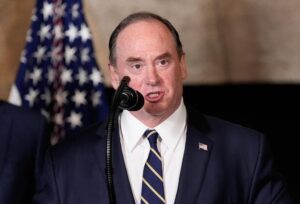
In his farewell address, Holsey emphasized the importance of maintaining alliances, urging Lt. Gen. Pettus to “uphold the shared values of democracy and support for the rule of law” in the region. “To be a trusted partner, we must be credible, present and engaged,” Holsey articulated.
The Pentagon announced Holsey’s unexpected retirement in October, following a series of controversial strikes that have caught congressional attention. These strikes are subject to ongoing bipartisan investigations, including incidents that resulted in the deaths of survivors from an initial attack.
Friday’s handover was marked by a subdued ceremony attended by Southern Command staff. Notably absent was Defense Secretary Pete Hegseth, as President Donald Trump has yet to propose a successor to Holsey. Gen. Dan Caine, chairman of the Joint Chiefs of Staff, praised Holsey’s service, referring to him as a “stoic” leader and a “quiet professional.”
Congressional oversight has intensified, with Secretary of State Marco Rubio and other officials briefing lawmakers in classified sessions. Sen. Jack Reed noted that while Holsey answered some questions, many remain. Holsey attributed his retirement to personal reasons without further elaboration.
The legality of these military actions has been questioned by various experts and human rights groups. Traditionally, the U.S. Coast Guard handled arrests at sea, followed by criminal prosecution. However, the current administration, labeling the drug cartels as “narcoterrorists,” supports an aggressive military campaign, a stance derived post-9/11.
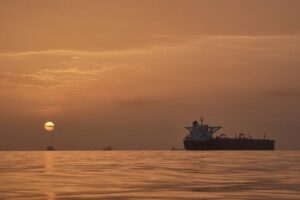
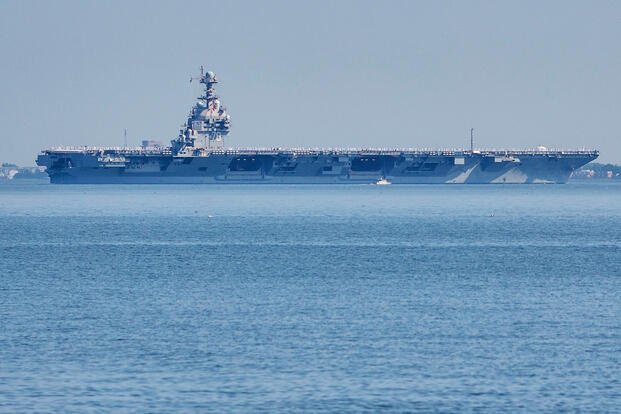
The operations, backed by a significant military presence including warships and the nation’s most advanced aircraft carrier, are part of a broader strategy to pressure Venezuelan President Nicolás Maduro. The U.S. recently seized an oil tanker, accusing it of smuggling sanctioned crude, a move critical to Maduro’s regime.
Holsey’s retirement adds to a series of leadership changes within the military under Hegseth’s purview. Lt. Gen. Pettus, a seasoned fighter pilot with experience in Afghanistan and Iraq, steps into the role with uncertainty surrounding the duration of his tenure, pending a nomination by President Trump and subsequent Senate confirmation.