Eli Savit: The Candidate Running for Michigan Attorney General
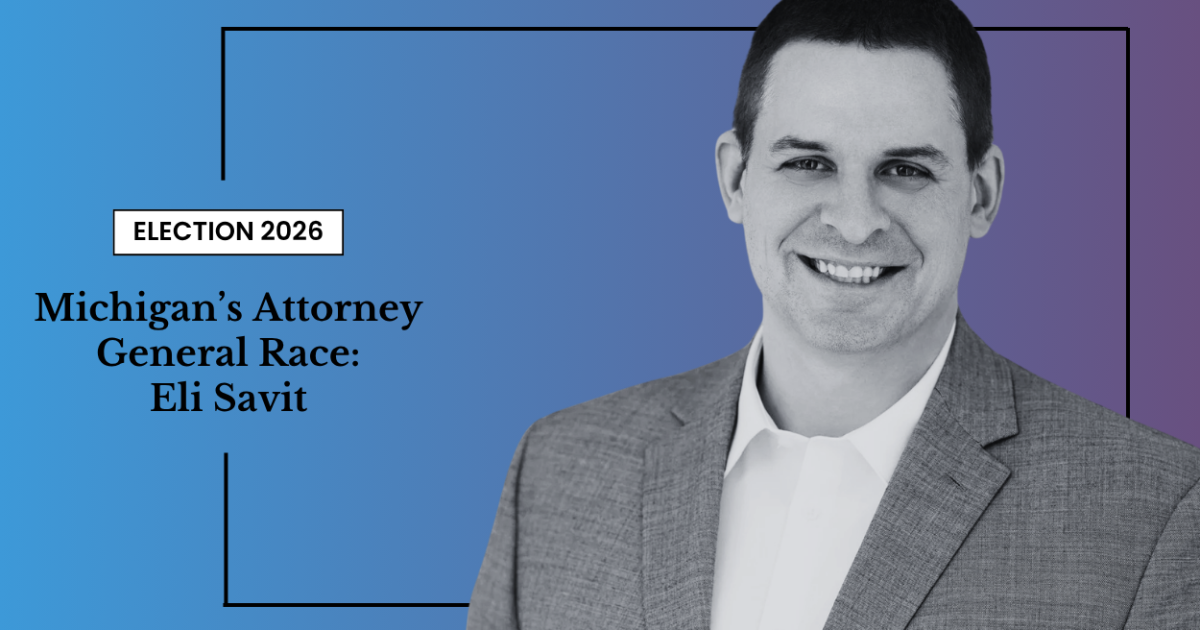
Michigan’s upcoming midterm election in November will see voters selecting a new attorney general as the current officeholder, Dana Nessel, is term-limited. One of the candidates vying for this crucial position is Eli Savit, the prosecuting attorney for Washtenaw County. Savit brings a wealth of experience, having clerked for Supreme Court Justices Sandra Day O’Connor and Ruth Bader Ginsburg, and served as senior legal counsel for the city of Detroit.
In a recent interview with Morning Edition producer Caoilinn Goss, Savit shared his motivations for running and his vision for the role of the attorney general in Michigan. When asked about his decision to run, Savit expressed his concern for the erosion of civil rights and environmental protections outlined in Project 2025, prompting him to step up and ensure the enforcement of state-level laws.
Reflecting on his past experiences at the city and county levels, Savit highlighted his work in Detroit, leading lawsuits against Big Pharma and advocating for Detroit school children. As the Washtenaw County prosecutor, he emphasized initiatives like the cold case sexual assault kit program, showcasing his commitment to justice and public service.
Looking ahead, Savit outlined his top priorities if elected as Michigan’s attorney general. He stressed the importance of defending voting rights, civil rights, and protecting Michiganders against harmful federal policies. Savit also pledged to continue AG Nessel’s efforts to combat sexual violence and prioritize affordability for residents through consumer protection measures and workers’ rights initiatives.
Addressing criticisms about his progressive policies in Washtenaw County, where he refrained from prosecuting consensual sex work and eliminated cash bail, Savit defended his record by pointing to tangible outcomes such as reduced overdose and gun deaths in the county.
As Michigan gears up for the election, Eli Savit emerges as a candidate with a strong legal background and a clear vision for upholding justice and safeguarding the rights of all residents in the state.
The debate surrounding the role of prosecutors in determining sentences for criminal offenders has been a topic of contention in recent discussions. In a recent interview, Prosecutor Elizabeth Smith addressed criticism from her opponent, Doug Lloyd, regarding her handling of high-profile convictions and sentencing decisions.
Smith defended her approach by emphasizing that judges, not prosecutors, ultimately decide on the appropriate sentence for individuals. She clarified that sentencing guidelines established by the state play a significant role in shaping judges’ decisions, often leading to sentences within a specific range.
While prosecutors have the ability to advocate for certain sentences, Smith highlighted that in the majority of cases where individuals plead guilty as charged, judges adhere to the sentencing guidelines. This practice is not unique to her jurisdiction but is a common procedure across various counties in Michigan.
Critics have raised concerns about cases where individuals who received sentences below the maximum later committed additional crimes upon release. In response, Smith reiterated the legal framework that guides sentencing decisions, emphasizing the role of judges in determining appropriate penalties.
The interview shed light on the complex dynamics between prosecutors, judges, and sentencing guidelines in the criminal justice system. As the debate continues, understanding the distinct responsibilities of each stakeholder is crucial in evaluating the efficacy of sentencing practices and addressing concerns about recidivism rates.