Motive Behind Michigan Synagogue Attack Linked to Israeli Airstrike
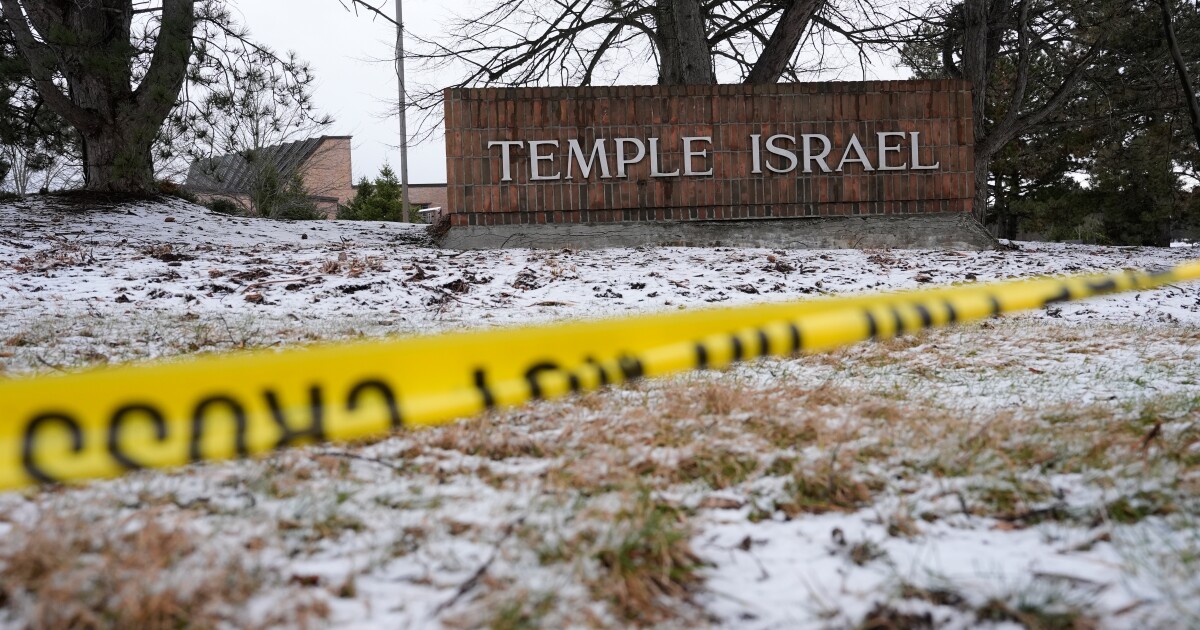
The recent tragic incident at a Michigan synagogue, where a man drove his car into the building and took his own life, has been linked to a larger geopolitical conflict. The attacker, Ayman Mohamad Ghazali, was reportedly the brother of a Hezbollah commander, Ibrahim Ghazali, who was killed in an Israeli airstrike in Lebanon. This revelation sheds light on the possible motives behind the synagogue attack that shocked the community.
Israeli Military’s Allegations
According to Israel’s military, Ibrahim Ghazali was a Hezbollah commander responsible for managing weapons used to fire rockets at Israel. The strike that killed Ibrahim, along with other family members, took place a week before the tragic incident at the Michigan synagogue. The FBI’s Detroit office, currently investigating the attack, has refrained from commenting on these claims.
Details of the Attack
Ayman Ghazali, 41, carried out the attack on Temple Israel near Detroit after learning about the deaths of his family members in the Israeli airstrike. Armed with a rifle, fireworks, and what appeared to be gasoline, he waited outside the synagogue before crashing into the building. An armed security guard engaged in a firefight with Ghazali, who ultimately shot himself after his vehicle caught fire.
Investigation and Response
The FBI is leading the investigation into the attack, describing it as an act of violence targeting the Jewish community. While the agency has not classified it as terrorism yet, the incident has raised concerns about security at religious institutions. Ghazali, who became a U.S. citizen in 2016, lived in Dearborn Heights, Michigan, not far from the site of the attack.
Connection to Wider Events
The attack on the Michigan synagogue coincided with another violent incident at Old Dominion University in Virginia, where a former Army National Guard member with ties to the Islamic State group opened fire on a classroom. These events underscore the ongoing threats posed by extremist ideologies and the need for vigilance in safeguarding public spaces.