In the wake of a shocking attack at a Hanukkah event, Australia is now facing a renewed examination of antisemitism within its borders. The tragic event has sparked an urgent national conversation as Jewish Australians share their distress and fears.
The attack on Bondi Beach last December resulted in the loss of fifteen lives when two gunmen opened fire. The accused, Sajid and Naveed Akram, allegedly carried out the assault with legally owned firearms. Authorities have said the attack was inspired by the Islamic State group, set against a backdrop of rising antisemitic incidents in Australia.
In response, a Royal Commission on Antisemitism and Social Cohesion was initiated, marking the highest level of inquiry available in the country. The commission’s public hearings began in Sydney, focusing on the incidents’ impact and the broader issue of antisemitism in Australia.
Antisemitic Incidents on the Rise
Jewish Australians shared their harrowing experiences during the hearing, citing a surge in antisemitic incidents since the Israel-Hamas conflict began on October 7, 2023. According to the Executive Council of Australian Jewry, over 2,000 incidents were reported last year, a significant increase from the previous record of under 500.
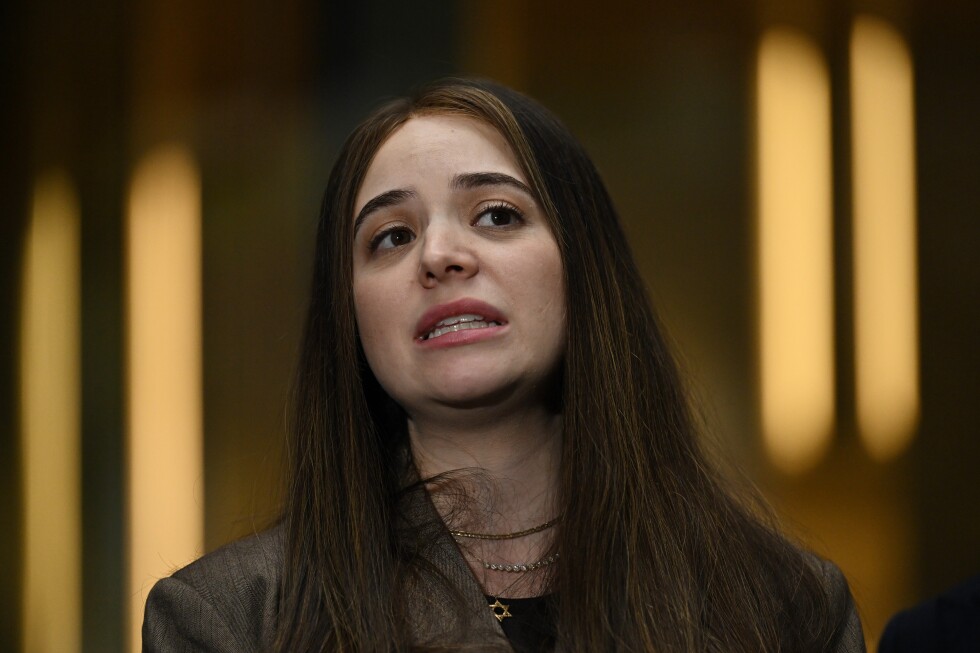
Witnesses, many of whom chose to speak under pseudonyms, described the fear and vulnerability faced by the Jewish community. Sheina Gutnick, whose father, Reuven Morrison, was killed in the Bondi attack, recounted an incident of verbal abuse in a Sydney mall, leaving her feeling “shocked, exposed and unsafe.”
Community Responds to Heightened Threats
Jewish community leaders have noted that the escalation in antisemitic threats and attacks mirrors trends elsewhere, such as in the UK. Toby Raphael, vice president of Sydney’s Newtown Synagogue, highlighted the need for increased security measures, which were previously deemed unnecessary.
Raphael expressed concern over the environment in which Jewish children must now attend school, protected by armed guards. “Why do kids have to go to school like that?” he questioned, emphasizing the urgent need for change.
Antisemitic activities had been increasing even before the Bondi shooting, with attacks on Jewish institutions and businesses. The Australian government severed diplomatic ties with Iran, accusing it of orchestrating at least two such incidents.
Calls for Gun Reform
The Bondi massacre has reignited discussions on gun laws in Australia, a nation known for its strict firearm regulations following a mass shooting in Tasmania three decades ago. The Royal Commission’s interim report has already urged the implementation of consistent national gun laws and a weapons buyback program.
Sajid Akram was killed by police during the attack, while his son, Naveed, survived and faces charges including committing a terrorist act and multiple counts of murder and attempted murder. He has yet to enter pleas.