In a landmark decision, the 11th Circuit Court of Appeals has overturned a 1990 death sentence for Michael Sockwell, citing constitutional violations during his trial. The ruling pointed to racial discrimination in jury selection, a critical issue that has once again brought the spotlight on the fairness of Alabama’s judicial system.
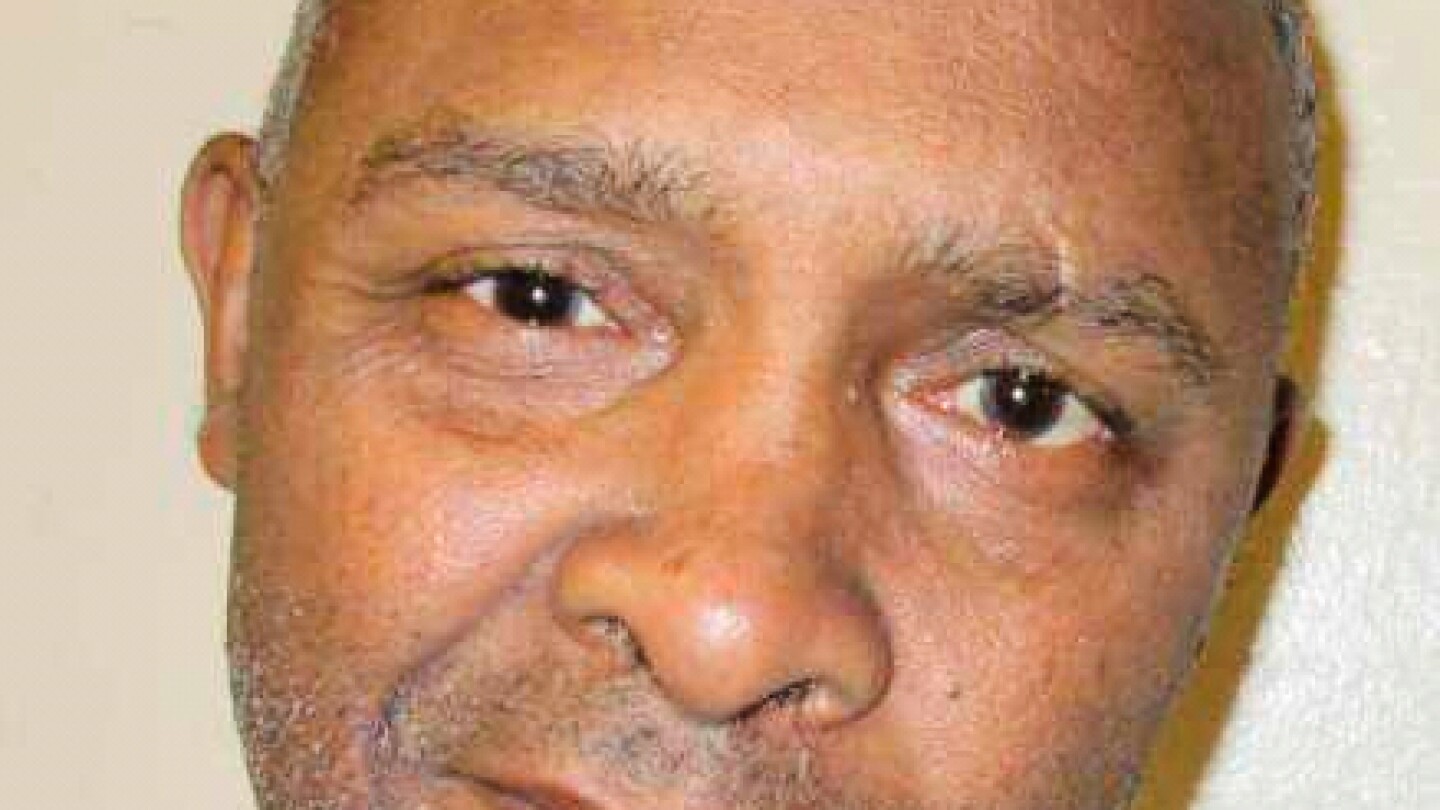
Michael Sockwell, now 62, was convicted of the 1988 murder of former Montgomery County Sheriff Isaiah Harris. The court’s decision on Monday allows for the possibility of a retrial, as it was determined that Black jurors were systematically excluded from the jury during his trial. This exclusion was deemed a violation of Sockwell’s 14th Amendment rights, with the panel stating that prosecutors “repeatedly and purposefully” removed potential Black jurors whom they assumed might empathize with Sockwell due to shared racial backgrounds.
Prosecutors argued that Sockwell was hired by Harris’ wife to commit the murder in order to conceal her affair and claim Harris’ life insurance. Although Sockwell initially confessed to the crime on tape, he later recanted, claiming police coercion and mistreatment. During the trial, Sockwell alleged that another man involved with Harris’ wife was the true perpetrator and denied receiving payment for the murder.
The jury originally voted 7-5 in favor of a life sentence, but the judge at the time overrode this decision and imposed a death sentence. Such judicial overrides are no longer permissible under current Alabama law.
Sockwell’s attorneys challenged the conviction, highlighting that the prosecution’s jury selection was racially biased. They noted that 80% of eligible Black jurors were dismissed compared to only 20% of white jurors. Evidence included prosecutor notes describing a juror as “a (B)lack male, approximately twenty-three years of age, which would put him very close to the same race, sex, and age of” Sockwell.
The court’s opinion, authored by Judge Charles Wilson, appointed by former President Bill Clinton, referenced previous cases where similar racial discrimination in jury selection by the state prosecutor was evident, suggesting a pattern of discriminatory practices. However, Judge Robert J. Luck, appointed by former President Donald Trump, dissented. He argued that the race of white jurors was also noted, suggesting that race was not a primary factor in dismissals. Luck also pointed out that the final jury composition was 17% Black, while the jury pool was 24% Black, indicating a lesser degree of racial bias.
The Alabama Attorney General’s Office did not provide a comment on the ruling as of Tuesday morning.
For more information about the role of journalists in covering such important judicial issues, visit the Report for America, a nonprofit organization placing journalists in local newsrooms to focus on underreported topics.