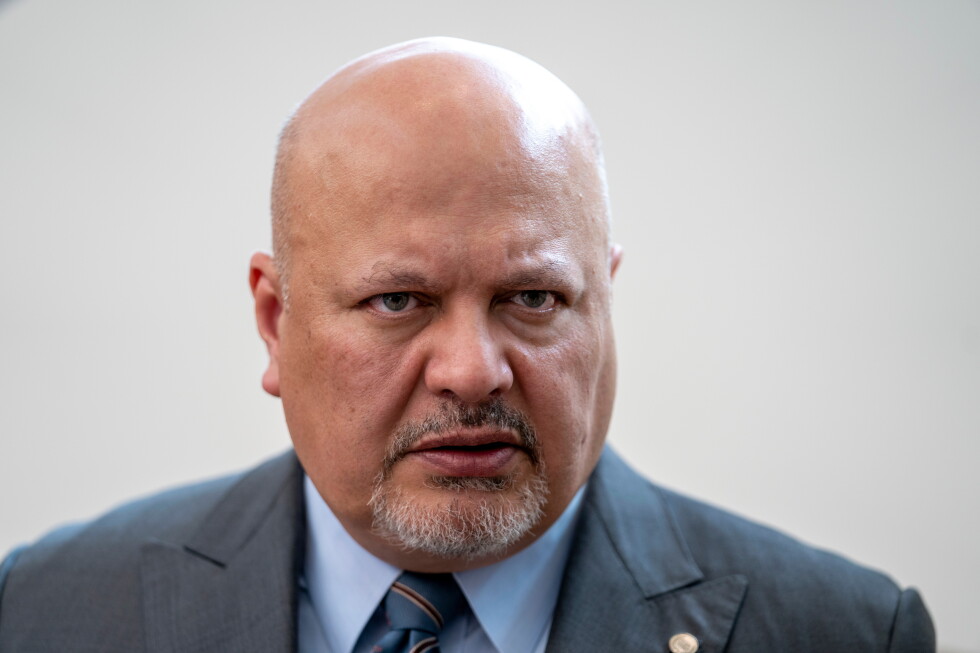
The suspension of Karim Khan, the chief prosecutor of the International Criminal Court (ICC), has been upheld by the UK’s legal authority, drawing significant attention to the embattled figurehead. Accusations of sexual misconduct have loomed over Khan for over two years, and the potential repercussions could extend beyond his current legal practice in Britain.
The ICC’s oversight body is set to decide later this month whether Khan, 56, should be removed from his position entirely. He faces allegations involving a female aide, which he has consistently denied. The U.K.’s Bar Standards Board initially suspended Khan in June, citing the seriousness of the allegations. This decision was reaffirmed after a recent hearing, pending further disciplinary actions.
Efforts to reach Khan’s legal representatives for comments were unsuccessful as of Tuesday.
This development coincides with mounting opposition to the ICC from the United States, particularly under President Donald Trump’s administration. The ICC, established to adjudicate the most severe international crimes such as war crimes and genocide, has faced criticism from the U.S., which has never ratified the Rome Statute establishing the court.
The U.S. Intensifies Campaign Against the ICC
On Monday, U.S. Secretary of State Marco Rubio announced an aggressive strategy to curb the ICC’s influence, which he described as a threat to U.S. sovereignty. The plan includes urging the court’s 125 member states to withdraw, imposing sanctions on entities collaborating with the ICC, and banning court staff from entering the U.S.
Rubio emphasized that nations benefitting from U.S. security should reject the ICC’s authority over American citizens. The Trump administration had previously sanctioned Khan and several ICC officials in retaliation for their investigations into U.S. actions in Afghanistan and warrants issued for Israeli leaders related to the Gaza conflict.
The European Union has criticized the U.S.’s recent stance, with European Commission spokesperson Siobhan McGarry asserting support for the ICC through diplomatic, legal, and financial measures.
Sanctions, traditionally reserved for authoritarian figures and criminal leaders, have severely impacted the ICC. The restrictions prevent ICC officials and their families from accessing U.S. financial services and even entering the country.
Awaiting the ICC’s Oversight Body’s Decision
The fate of Khan’s role at the ICC will be determined by the Assembly of States Parties, scheduled to convene at the United Nations headquarters in New York on July 24. Prior to the British suspension, the ICC’s executive committee had found Khan guilty of serious misconduct and advised his removal from office.
Initial allegations against Khan were brought to light by the court’s independent watchdog. An Associated Press investigation documented that Khan allegedly recruited a female employee from another department to his office, where she became a frequent participant in official travels. Whistleblower documents claim that during one trip, Khan allegedly invited her to join him on a hotel bed and engaged in inappropriate physical contact. Other accusations include locking his office door and intrusive physical gestures.
___
Associated Press writer Lorne Cook in Brussels contributed.