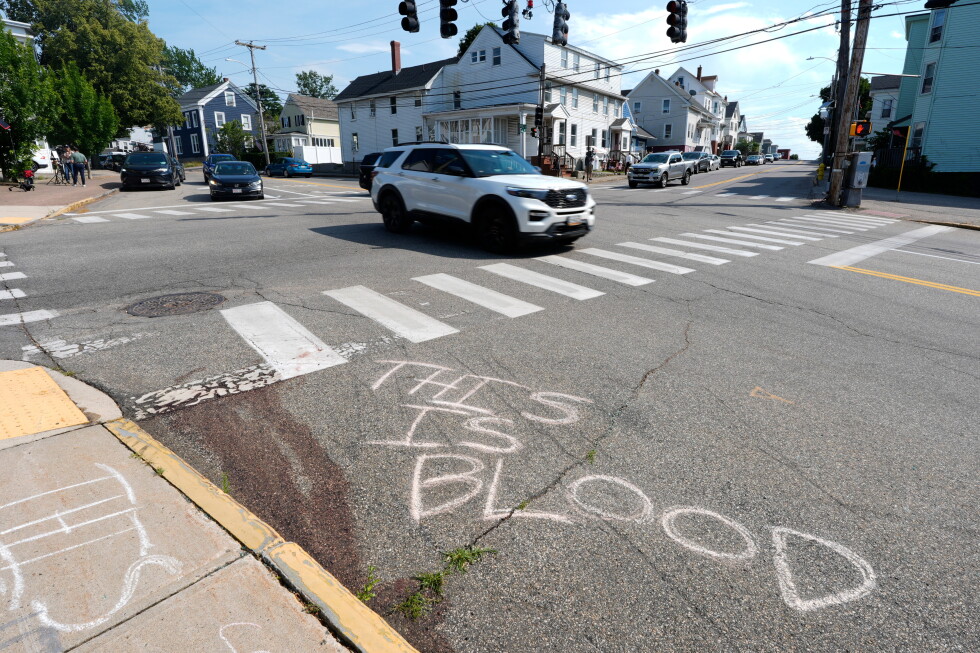
In a recent incident in Biddeford, Maine, an Immigration and Customs Enforcement (ICE) officer fatally shot a Colombian man, raising questions about the officer’s background and mental health. According to family members, the officer, David Brouillette, has a history of mental health struggles and violent behavior, leading to concerns about his suitability for law enforcement.
Officer’s Troubled Past
David Brouillette’s relatives describe him as having severe mental health issues since childhood. His ex-wife, Ashley Brouillette, notes a history of violent behavior, including incidents of domestic abuse. She shared a voicemail from last winter where Brouillette allegedly suggested that someone should “slit” her throat.
Brouillette’s family background casts doubt on the vetting process of the Department of Homeland Security (DHS), especially during the hiring increase to support immigration enforcement under President Trump’s administration. More than ten individuals have died in interactions with immigration agents since the enforcement intensification, including Johan Sebastián Durán Guerrero, the Colombian national shot by Brouillette.
ICE has not released the officer’s name publicly, but family members confirmed Brouillette’s involvement. The DHS justified the shooting by stating that the vehicle attempted to flee, prompting the officer’s response to ensure public safety.
Personal Accounts and Legal Records
Relatives of Brouillette describe him as acting in self-defense during the incident. ICE spokesperson Lauren Bis refrained from commenting on Brouillette’s record, emphasizing his extensive law enforcement experience and mandatory training.
Family court records reveal numerous allegations of abuse and harassment by Brouillette against his second ex-wife and daughters. His eldest daughter, Madison Brouillette, recalled witnessing his erratic behavior, including a threat of self-harm with a firearm.
Military Background and Career Aspirations
Brouillette served in the Maine Army National Guard and later in the regular Army, with a deployment in Afghanistan. His relatives believe this experience exacerbated his mental health struggles. Despite initially being rejected by military recruiters due to his mental health, he enlisted after ceasing medication for a year, as advised by recruiters.
Post-military, Brouillette worked various jobs, including at a correctional center and a Veterans Affairs medical center. He also pursued firefighting training, which ended abruptly due to an injury. Recently, Brouillette was licensed as a real estate agent in Maine.
Voicemail and Aftermath
In a voicemail to his ex-wife, Brouillette allegedly made threatening remarks about her and her family. Following the shooting, he reached out to Ashley Brouillette, seeking her support in portraying him positively amid public scrutiny. He claimed the shooting was justified, asserting that Durán Guerrero attempted to run him over with a car.
Madison Brouillette, his daughter, echoed his sentiment, believing he perceived his actions as necessary for self-defense. The incident has reignited discussions on the adequacy of mental health evaluations in law enforcement recruitment.