Legal Luminary Louise Arbour Set to Become Canada’s New Governor General
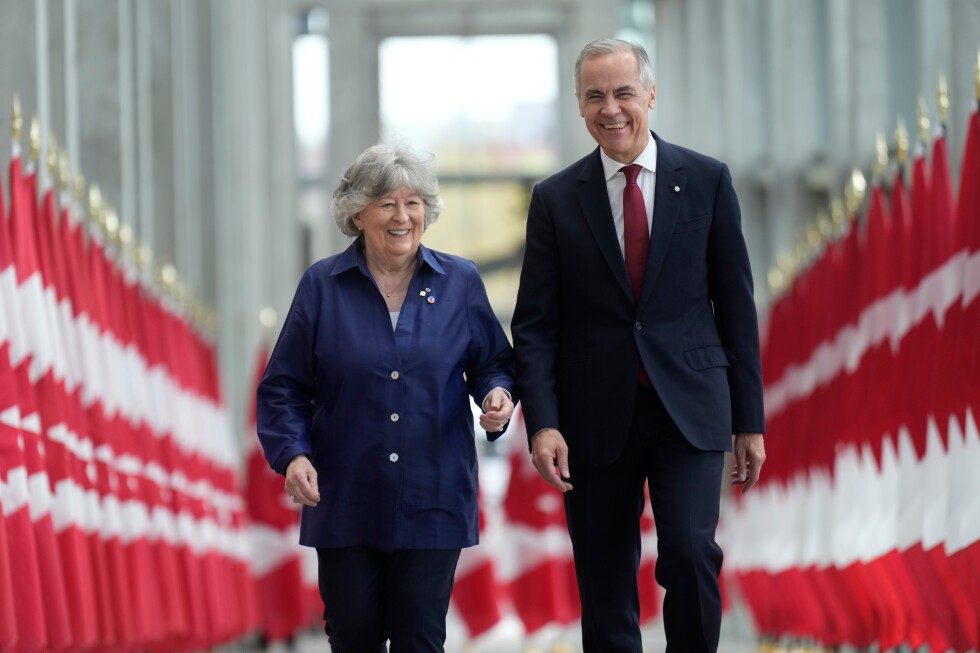
In a significant appointment, Prime Minister Mark Carney revealed that Louise Arbour, a retired Supreme Court Justice, will step into the role of Canada’s governor general. This announcement positions Arbour as the representative of King Charles III in Canada, where the king serves as the head of state.
Prime Minister Carney noted that the appointment had received the king’s approval following his recommendation. He expressed his intent to engage in comprehensive discussions with Arbour on matters affecting both Canada and the global stage, stating, “I will have an opportunity to have very in-depth conversations with Arbour in private on issues that affect Canada and the rest of the world.”
While the governor general’s role carries constitutional weight, it is largely ceremonial and symbolic. Carney’s choice of a Francophone for this position underscores the linguistic diversity of Canada. In response to inquiries about her views on monarchism, Arbour, speaking in French, expressed uncertainty about the term’s implications but affirmed her support for the existing system.
“I will be the representative of the Crown in a constitutional arrangement that has served Canada extremely well throughout our history, even more in recent decades. I think a system that will continue to provide continuity in our institutions and form of governance,” she stated.
Arbour succeeds Mary Simon, who has served as Canada’s first Indigenous governor general and will complete her five-year tenure in July. Carney highlighted Arbour’s distinguished career, citing her as a globally recognized authority in legal scholarship, human rights, and justice. Her judicial appointments have spanned the Supreme Court of Ontario, the Court of Appeal for Ontario, and the Supreme Court of Canada.
Arbour’s international contributions include her 1996 appointment by the United Nations as Chief Prosecutor for the International Criminal Tribunals for the former Yugoslavia and Rwanda, where she achieved the first genocide conviction and indicted a sitting head of state for war crimes. From 2017 to 2018, she further served as a U.N. Special Representative for International Migration.
Canada’s historical context as a former British colony, achieving self-governance in 1867 while maintaining a constitutional monarchy, frames this appointment within its enduring British-style parliamentary system.