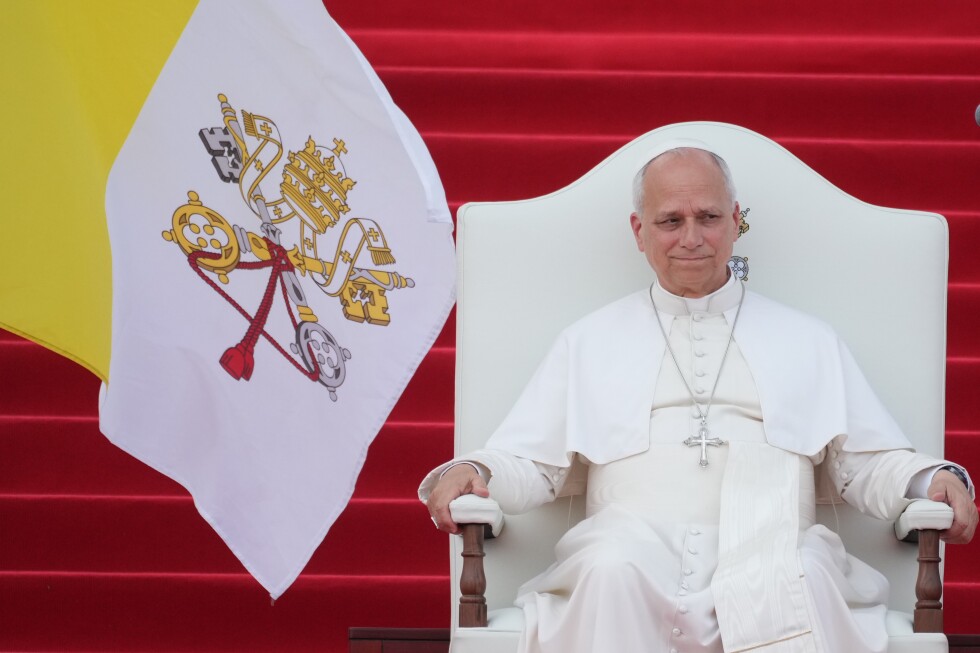
Pope Leo XIV, unlike his predecessor Pope Francis, has adopted a measured approach to his leadership, opting for gradual changes and careful consideration in his decisions. As he navigates his papacy, several crucial appointments and policy adjustments hint at the direction he may take the Catholic Church.
Significant Appointments on the Horizon
In the coming months, Pope Leo will have the opportunity to influence the church’s hierarchy through several key appointments. With Chicago Cardinal Blase Cupich already past the typical retirement age for bishops, a new archbishop could soon be named for one of America’s major cities. Similarly, the Los Angeles Archdiocese will see a change in leadership as its current archbishop approaches retirement age.
Pope Leo has already appointed Archbishop Ronald Hicks to succeed Cardinal Timothy Dolan in New York. Michael Moreland from Villanova University notes that this decision aligns with Leo’s balanced approach, as it does not significantly shift the ideological stance of the church.
At the Vatican, the liturgy office headed by Cardinal Arthur Roche will soon require new leadership, especially given the contentious matter of the Latin Mass. Additionally, with Cardinal Kevin Farrell beyond retirement age, changes in the leadership of the family and laity office are anticipated. Cardinal Michael Czerny’s upcoming 80th birthday will also necessitate new appointments within the Vatican’s office for migrants, environment, and development.
Policy Shifts Under Leo’s Leadership
Pope Leo has begun to adjust some of Pope Francis’ initiatives. The World Day of Children, a project launched by Francis, has been canceled, highlighting a shift in priorities. Additionally, Leo dissolved a controversial Holy See fundraising commission and instead established a new committee to handle fundraising efforts more transparently.
Ward Fitzgerald of The Papal Foundation commented, “The Holy Father was clearly paying attention,” recognizing the need for functional and effective fundraising strategies.
In financial matters, Leo has reversed a law issued by Francis, allowing the Vatican’s investment committee to engage with external banks when advantageous. He has also shown a willingness to engage directly with survivors of clergy sexual abuse, indicating a potential shift in the church’s approach to dealing with these issues.
Engagements and Audiences
Pope Leo’s private meetings suggest a willingness to engage with diverse perspectives. In March, he met with Gareth Gore, author of a book on Opus Dei, as well as with representatives from Courage International and authors researching the traditional Latin Mass. These interactions indicate a careful consideration of varying viewpoints as Leo addresses internal church controversies.
Challenges and Future Directions
The issue of the Latin Mass remains a potential source of conflict, particularly with the upcoming consecration of new bishops by the Society of St. Pius X, which could challenge Leo’s authority. Meanwhile, the Vatican’s relationship with the German Catholic Church faces strain due to proposed reforms that challenge traditional church governance structures.
On the horizon, Pope Leo’s forthcoming encyclical on artificial intelligence is highly anticipated. He draws parallels between the AI revolution and the challenges faced during the Industrial Revolution, indicating the church’s role in addressing contemporary technological changes. Dan Rober from Sacred Heart University observes, “Like his namesake Leo XIII with the Industrial Revolution, Leo clearly sees the church as having something important to offer in an era of what may turn out to be epochal technological change.”