In a courtroom in Salt Lake City, a pivotal decision awaits as a judge deliberates whether media organizations can continue their extensive coverage of the murder trial involving Tyler Robinson, accused of assassinating the prominent conservative activist Charlie Kirk.
The defense for Robinson contends that extensive media coverage, including live broadcasts and online commentary, could unduly influence potential jurors by portraying their client negatively. They argue this jeopardizes Robinson’s right to a fair trial. On the other hand, media outlets, alongside prosecutors and Erika Kirk, Charlie’s widow, argue that maintaining transparency is crucial to dispel the conspiracy theories that have emerged since Kirk’s assassination on September 10, during his address at Utah Valley University.
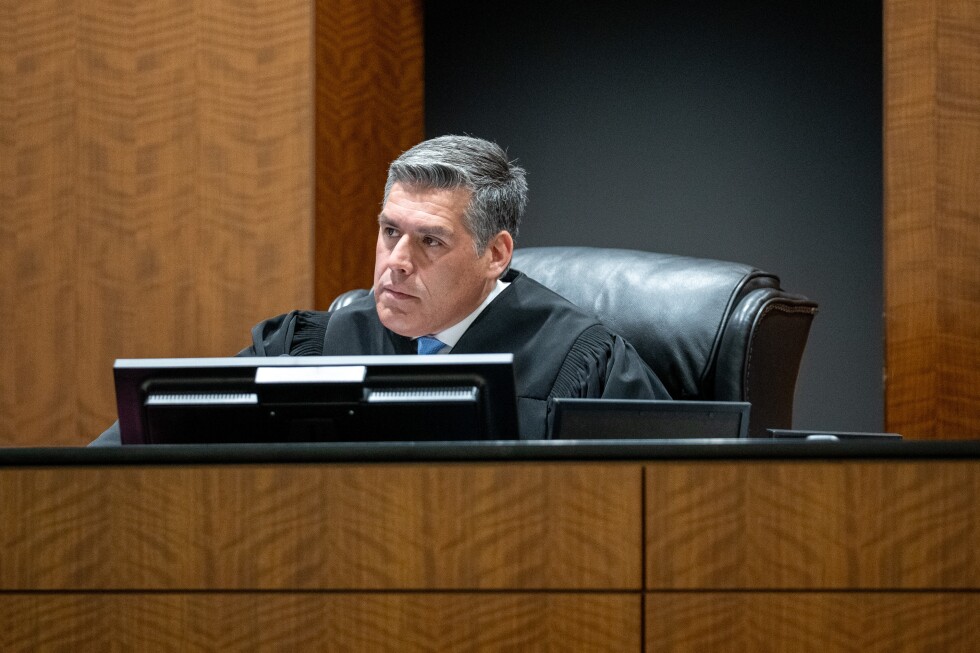
Judge Tony Graf has already imposed stricter regulations regarding courtroom cameras after previous violations. Cameras have been repositioned to a less conspicuous location, reducing the likelihood of capturing Robinson in potentially prejudicial situations. However, Judge Graf has upheld the media’s access to certain case documents, emphasizing the importance of transparency in the judicial process.
Charlie Kirk, before his untimely death at 31, was a significant figure in conservative politics, instrumental in rallying support for former President Donald Trump. Robinson, facing charges that include aggravated murder, has yet to enter a plea. If convicted, prosecutors are seeking the death penalty.
The case has garnered widespread attention, not only for its political implications but also because it reignites the debate over media presence in high-profile legal proceedings. This discussion echoes past cases such as the Lindbergh baby kidnapping trial and O.J. Simpson’s trial. The tension lies between ensuring transparency and the defense’s effort to protect their client from negative public perception.
In capital cases like Robinson’s, media portrayal can impact jurors’ perception of the defendant’s character, a factor in determining sentencing. Robinson’s demeanor in court has already sparked commentary, with some media outlets describing his behavior as indifferent.
While the U.S. Constitution prioritizes a defendant’s right to a fair trial over public access, the presence of cameras in state courts has become more prevalent. Conversely, federal trials typically exclude cameras, as seen in former President Trump’s hush money case where sketch artists depicted the proceedings.
Judges hold significant authority over the extent and nature of media coverage in their courtrooms. Judge Graf will also decide on a defense motion to delay Robinson’s preliminary hearing, scheduled for May. The defense requests more time, citing incomplete federal DNA analysis reports. However, prosecutors assert they possess sufficient evidence, including surveillance footage and an alleged confession note, to proceed with the trial.