Appeal Filed by YouTube in Social Media Addiction Verdict
In a significant legal development, YouTube has initiated an appeal against a recent court verdict in Los Angeles. The decision being contested found the platform culpable for designing its features in a way that allegedly encourages addictive behavior among young users, ignoring potential adverse effects on their mental health.
The appeal comes shortly after Meta, another defendant in the case, also filed an appeal. Legal representatives for YouTube submitted their notice to the Los Angeles County Superior Court, committing to present detailed arguments in subsequent legal documents. The case revolves around a young woman who claims her mental health struggles were exacerbated by an addiction to social media initiated during her childhood.
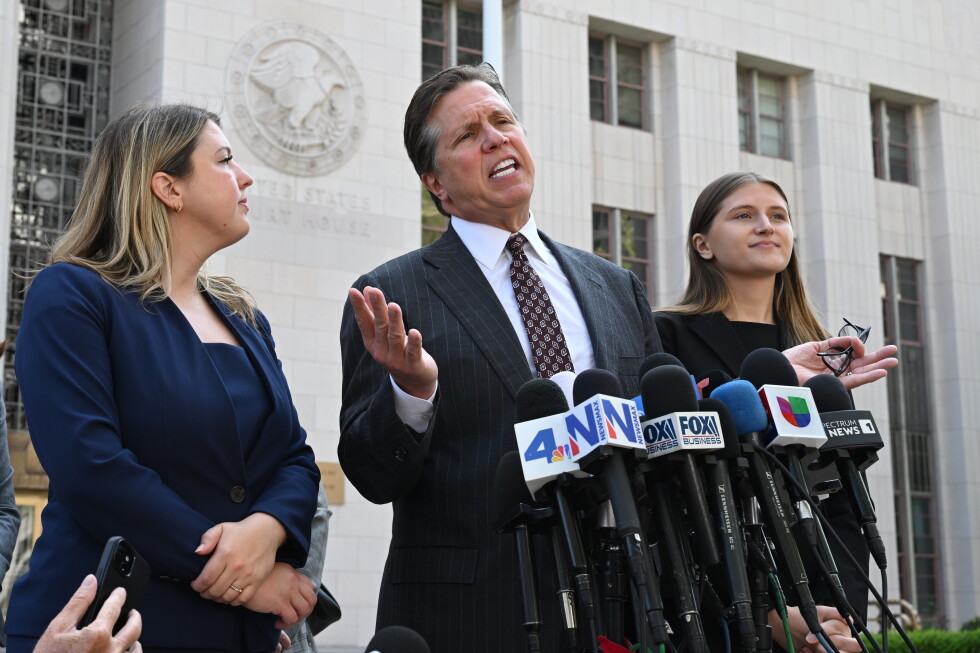
Identified in court by her initials, KGM, and first name, Kaley, the plaintiff was awarded $3 million in damages, with the jury recommending an additional $3 million in punitive damages. Mark Lanier, Kaley’s lead attorney, expressed confidence in the appellate court maintaining the trial court’s verdict, emphasizing a “careful application of the law.”
Google’s spokesperson, José Castañeda, stated YouTube’s appeal is part of standard procedures as the case progresses. Both Meta and Google previously sought a new trial, but their motions were denied by Judge Carolyn B. Kuhl back in June.
A focal point of YouTube’s defense during the trial was its contention that it functions as a video-sharing platform rather than a social media entity. Additionally, both YouTube and Meta questioned whether the case impinged on legal protections afforded to tech companies under Section 230 of the 1996 Communications Decency Act, which shields them from liabilities related to third-party content.
The plaintiff’s legal team, however, argued that design elements such as autoplay contribute to prolonged and unintended usage, potentially leading to addictive behaviors. Kaley’s lawsuit, described as a landmark case, could set a precedent for numerous other similar legal actions accusing social media companies of intentional harm.
Initially, TikTok and Snap Inc., the parent company of Snapchat, were also defendants in the lawsuit but reached undisclosed settlements before the trial commenced. The outcome of this case could significantly influence future litigation regarding social media platforms and their impact on users.