
Federal Officers in Minneapolis Restricted in Immigration Crackdown
In a recent judicial decision impacting immigration enforcement in the Minneapolis area, federal agents have been restricted from using certain methods against peaceful protesters. U.S. District Judge Kate Menendez issued this ruling amid heightened scrutiny of immigration activities in the region.
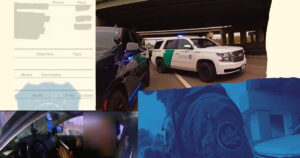
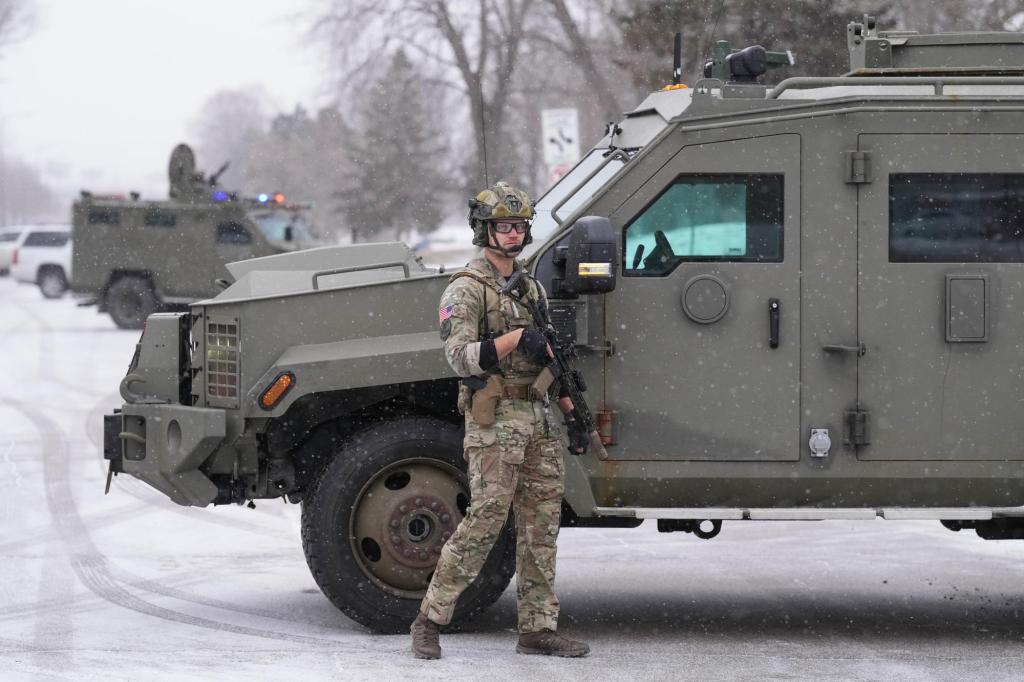
The case, brought forth in December by six activists with representation from the American Civil Liberties Union of Minnesota, challenged the actions of Immigration and Customs Enforcement (ICE) and Border Patrol officers. These federal agents have been active in implementing the Trump administration’s immigration policies in the Minneapolis-St. Paul area since early December, drawing the attention of thousands of observers.
Judge Menendez’s ruling specifically prohibits officers from detaining individuals in vehicles without reasonable suspicion of obstruction or interference with their duties. The court emphasized that merely following agents from a safe distance does not constitute grounds for a vehicle stop, as per the legal standards of reasonable suspicion.
Moreover, the ruling restricts arrests to situations where there is probable cause or reasonable suspicion of a crime, aligning with constitutional protections. The ACLU of Minnesota argues that these enforcement actions have infringed upon the rights of local residents, a claim that government attorneys dispute, asserting their adherence to legal authority.
In a related legal development, Judge Menendez is overseeing another lawsuit filed by Minnesota and the cities of Minneapolis and St. Paul. This case seeks to halt the enforcement operations altogether. Although a request for an immediate temporary restraining order was denied, the judge recognized the significance of the issues at stake, acknowledging the complexity and the need for further legal analysis.
State Assistant Attorney General Brian Carter emphasized the need for a de-escalation in enforcement activities, stating, “What we need most of all right now is a pause. The temperature needs to be lowered.” As the legal proceedings continue, the court has requested additional briefs from both parties to further address these critical issues.