Arizona’s Developmental Disabilities Program Faces Financial Challenges Again
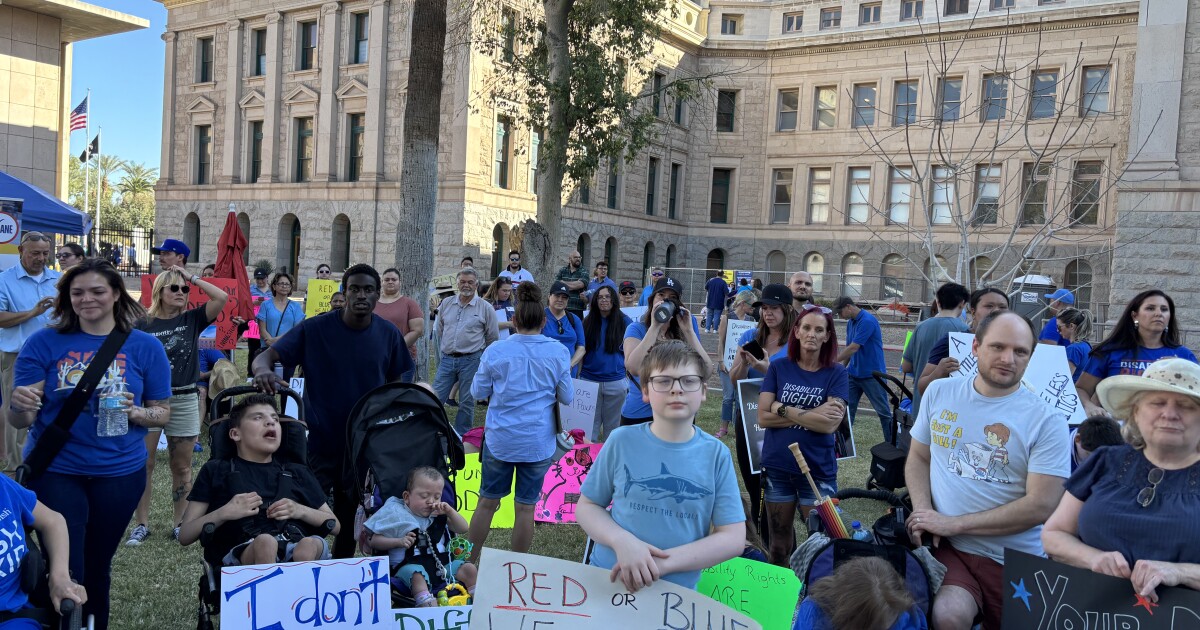
Arizona families dependent on state-supported services for developmental disabilities are once more at the center of a financial impasse at the state Capitol. Governor Katie Hobbs, a Democrat, is advocating for an emergency allocation of $128 million to sustain the Division of Developmental Disabilities (DDD), a crucial state Medicaid initiative. This funding is vital to ensure services such as therapy and caregiving continue uninterrupted.
Ben Henderson, the budget director for Governor Hobbs, has cautioned lawmakers that without this funding, the program faces insolvency between April and June. This fiscal challenge is reminiscent of the previous year when a similar funding request sparked extensive debate.
Last year’s situation resulted in a bipartisan compromise after strong advocacy from families reliant on the program. This deal linked emergency funding with reforms intended to curtail future financial overruns.
Recurrent Financial Strain
The current fiscal issues are attributed to unexpected increases in care costs and a surge in eligible participants, notably marked by a 1,000% rise in autism diagnoses since 2006. Additionally, an increase in the capitation rate, which is a predetermined payment for services, has contributed to the budget strain.
Henderson emphasized the high needs of families with disabilities, stating, “I wouldn’t use the term bankrupt, but working families, especially those with individual disabilities, have high needs. They do. A lot of families in Arizona are struggling.” However, Rep. David Livingston (R-Peoria), chair of the House budget committee, expressed reluctance to advance the funding request without a deeper understanding of the budget’s status, citing significant increases in program funding over the past years.
Livingston highlighted that the program’s budget increased by over $600 million previously, with an additional $300 million proposed for the next year, aside from substantial federal contributions. He stated, “It’s a multibillion-dollar increases that we’re trying to help disabled families, but it has to make sure the biggest needs of those families are being met, not all their needs.”
The governor’s argument for the funding, centered on increased enrollment and care costs, echoes the justification from the previous year. A notable element of the debate was the program paying parents as caregivers, which gained popularity amid a statewide caregiver shortage.
Advocates argued that this shortage had previously kept costs artificially low as many families struggled to find caregivers. The introduction of the paid parent program, they claimed, merely realigned costs to reflect rightful compensation for caregiving.
Addressing the Crisis
The previous year’s resolution included reforms aimed at managing expenses. These reforms imposed a 40-hour weekly limit on the paid parent program and prohibited payments for routine parental responsibilities like laundry or meal preparation. It also mandated the creation of a tool to assess children’s eligibility and the services they require.
Governor Hobbs announced last fall that AHCCCS, the state’s Medicaid agency, was collaborating with Attorney General Kris Mayes to hasten the rulemaking process necessary to implement these changes, including the assessment tool. Henderson projected that this tool would be operational by June’s end.
Rep. Livingston criticized the Hobbs administration for delaying the process, stating, “But they could have asked for rulemaking last year during the negotiations a year ago, and they waited until after the session was over, they started implementing it, and then they finally did it.”
Contrary to these allegations, the governor’s office asserts that AHCCCS is actively working with federal agencies to approve cost-saving measures, with spokesperson Christian Slater remarking, “AHCCCS is implementing common sense guardrails to the DDD program while listening to the voices of affected parents, advocates, and providers to save taxpayer dollars while ensuring every member of the DDD program can obtain the health care that they need.”
The clock is ticking for Hobbs and lawmakers to find a resolution before the agency’s funds are exhausted. Meanwhile, Rep. Julie Willoughby (R-Chandler), who was instrumental in last year’s agreement, remains silent on the current stalemate, preferring to await further data.