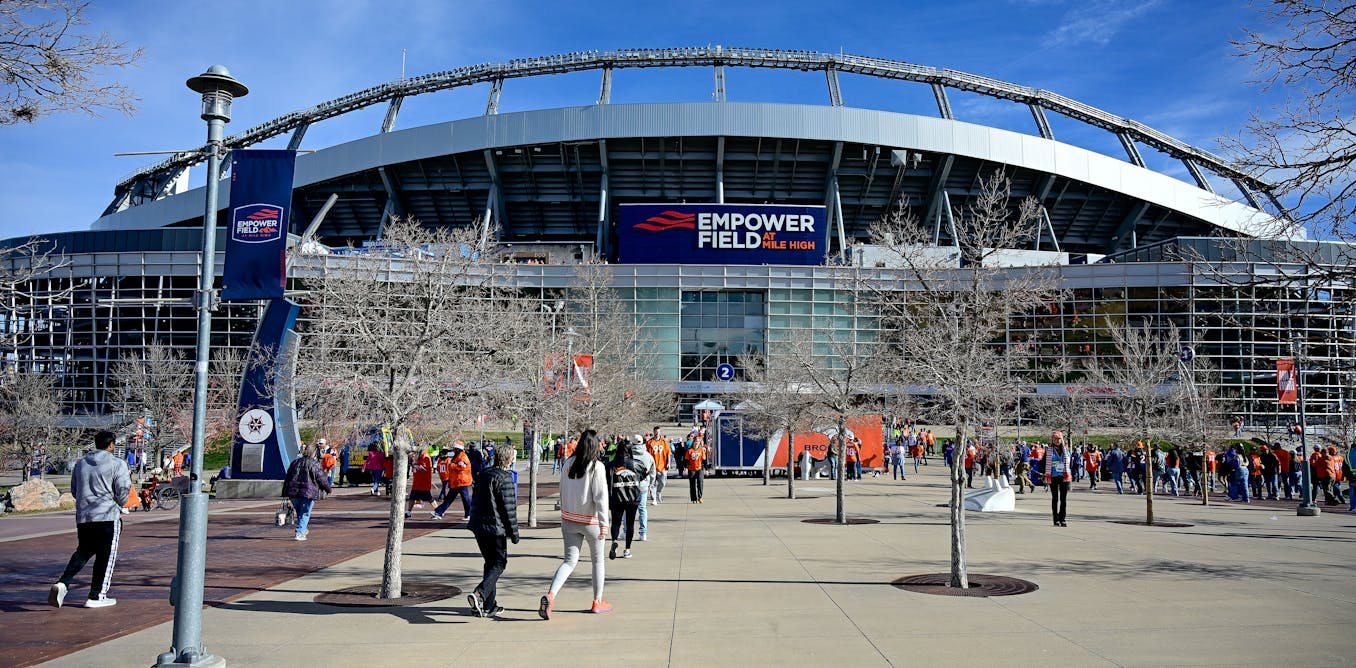
In a bold move, the Denver Broncos revealed their intention to construct a new football stadium in early September 2025. This ambitious project, set to be privately funded, has garnered significant attention and commendation from various quarters. The Broncos chose the historic Burnham Yard as the preferred site, a decision detailed in their official announcement.
Interestingly, among the major sports leagues in the U.S., including the NBA, NHL, NFL, MLB, and MLS, only a small fraction, precisely 20% of facilities are privately owned. This brings into focus the financial dynamics involved in stadium construction and ownership.
An expert in state and local public finance and professional sports has expressed skepticism regarding claims of private financing. This individual has studied this intersection for over two decades, highlighting the need to scrutinize such financial claims closely. Sometimes, private investments are presented as public contributions, blurring the true financial picture.
Examining Financial Sources: Public vs. Private
The distinction between public and private dollars is straightforward in theory. Public dollars are those over which the government has a legal claim, while private dollars are not. However, this distinction becomes critical when evaluating contributions to sports facilities. When public funds are labeled as private, the project may appear more attractive than it actually is.
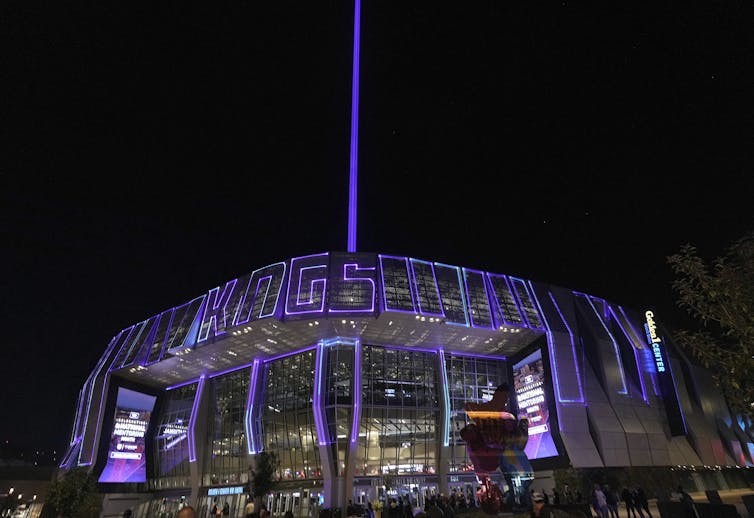
For example, the Sacramento City Council permitted the NBA’s Sacramento Kings to count their property tax payments for the city-owned arena as private contributions. This is despite property taxes traditionally funding public services such as schools and road repairs.
Thearon W. Henderson/Getty Images
Tax breaks are another form of public contribution often disguised as private financing. These can include property tax exemptions, sales and use tax exemptions, and income tax credits, all of which can significantly benefit team owners. Research estimates that property tax exemptions alone have cost governments $20 billion over the lifespan of teams’ leases, with a substantial portion potentially benefiting education.
Rethinking Rental Income Contributions
It’s common for facilities to be supported by public debt, secured partly through team rental payments. Often these projects are categorized as privately financed due to this rental income. However, using rental payments for public property improvements should not be considered a private contribution. This misclassification can skew perceptions of financial support for sports facilities.
A hypothetical scenario demonstrates this: if rent from state park campsites funds new bathrooms, are these bathrooms privately funded? The answer lies in understanding that lawmakers decide how to allocate public dollars, which were initially private before being transferred through taxation.
Despite this, rental payments are frequently counted as private contributions for both professional and minor league teams, making subsidies appear less substantial than they are.
Beyond Construction: A Broader Perspective
Beyond initial construction costs, facilities require ongoing operation, maintenance, and eventual upgrades. This involves infrastructure like roads, sewer lines, and public safety measures, often funded by taxpayers. Ignoring these aspects can lead to misleading financial portrayals and inefficient policy decisions.
Aaron M. Sprecher/Getty Images
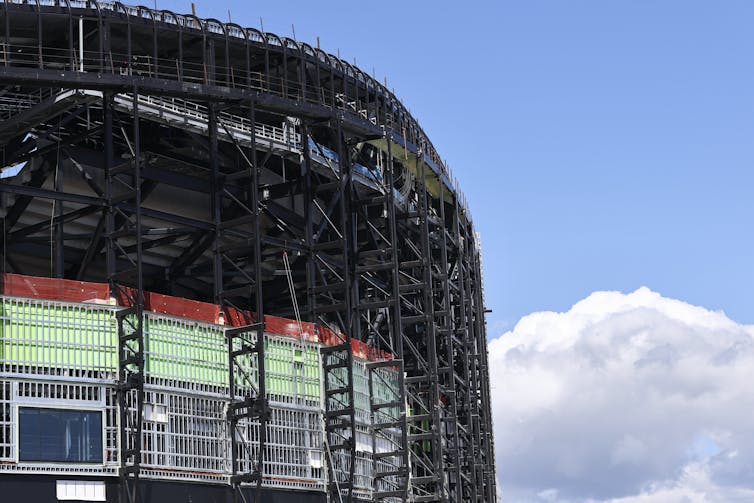
For instance, the District of Columbia approved a significant subsidy for the NFL’s Commanders, allowing the team owner to finance, build, and operate the stadium. In return, the owner gains exclusive development rights to adjacent land for 90 years, significantly impacting potential rental revenue for the city.
The Broncos’ stadium proposal currently promises private financing for construction, with public funds allocated for infrastructure. However, the true financial implications for taxpayers remain to be fully understood.
The critical questions remain: What will be the overall cost of the project throughout its lifecycle? How much of this will be borne by public resources? Could these resources be better utilized elsewhere? Addressing these questions is crucial as Denver considers the potential impacts of this project, including issues like gentrification, congestion, and pollution.
Read more of our stories about Colorado.