Michigan Legislative Leaders Facing Challenges Ahead of 2026 Elections
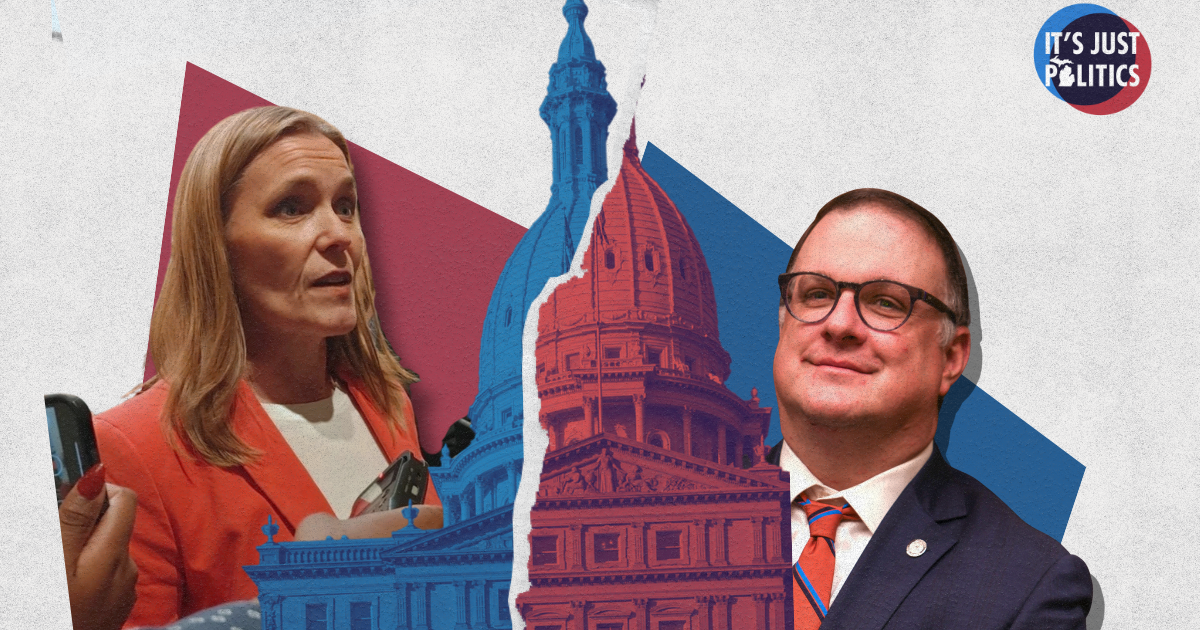
Michigan’s political landscape is already heating up as Senate Majority Leader Winnie Brinks and House Speaker Matt Hall seem to be at a standstill, not having spoken to each other so far in 2026. This lack of communication raises concerns following a tumultuous 2025 marked by budget delays and personal conflicts in the divided Legislature. With the upcoming 2026 election season, where major seats are up for grabs, time is of the essence to address critical issues before campaigns take center stage.
In a recent podcast interview, Brinks emphasized the importance of early productivity in an election year, highlighting the necessity for timely budget discussions and delivery to Michigan residents. However, underlying issues of trust and collaboration could hinder progress, especially with the looming shadow of past failures in meeting budget deadlines.
On the other hand, Hall’s approach seems to mirror tactics from 2025, suggesting excluding Democratic legislators from negotiations and focusing on direct dealings with Governor Gretchen Whitmer. This strategy, while aiming for efficiency, could further strain bipartisanship and cooperation within the Legislature.
The stakes are high as policy battles and legislative competency will significantly impact the political landscape. The University of Virginia Center for Politics’ initial analysis places Michigan’s House and Senate in a toss-up category, underscoring the pivotal role state legislatures play in the broader political spectrum.
Michigan’s Legislative Outlook in 2026
As the 2026 election cycle gains momentum, Michigan’s legislative leaders face mounting challenges in navigating a politically charged environment. Senate Majority Leader Winnie Brinks and House Speaker Matt Hall’s lack of communication sets a cautious tone for the upcoming year.
Brinks stresses the importance of early productivity in addressing key issues like the budget, healthcare, affordable housing, and energy costs. However, underlying trust issues and past failures loom over the prospect of effective collaboration between Democrats and Republicans in the Legislature.
Meanwhile, Hall’s strategy of sidelining Democratic legislators in favor of direct negotiations with Governor Gretchen Whitmer raises concerns about bipartisanship and inclusive decision-making processes. With the state legislative control hanging in the balance, the outcomes of these policy battles will shape Michigan’s political landscape.
Amidst the uncertainty, the University of Virginia Center for Politics’ analysis underscores the competitive nature of Michigan’s House and Senate races, signaling a tumultuous and closely contested election season ahead.
Michigan’s political landscape is heating up as candidates gear up for the upcoming state Senate primary, with ten Republicans and Democrats poised to battle it out. While all eyes are on this fierce competition, Michigan Democrats are also eyeing a different prize – securing an early spot in the 2028 presidential primaries.
The Democratic Party in Michigan has submitted an application to be one of the early states in the 2028 presidential primary season. This move could grant Michigan significant influence in shaping the Democratic presidential field and determining the party’s future direction. The order of states in the primary calendar is crucial, as it can impact the entire campaign and ultimately determine the face of the party in 2028.
In the 2024 primary season, Michigan entered the early window, but faced criticism for potentially highlighting internal party divisions over Israel. This time around, Michigan Democrats are vying for a strategic position that could propel the state into the national spotlight and play a pivotal role in shaping the party’s future.
As Michigan gears up for a pivotal election year with numerous statewide seats up for grabs and the opportunity to rewrite the state’s constitution, the stakes have never been higher. In light of these developments, the It’s Just Politics team is seeking input from readers on what they want to see in Election 2026 coverage. By participating in their survey, readers can have a say in shaping the political discourse and coverage leading up to the crucial elections.
The political landscape in Michigan is rapidly evolving, with high-stakes races and strategic moves shaping the state’s future role in national politics. Stay tuned for more updates on these developments as the political scene in Michigan continues to unfold.