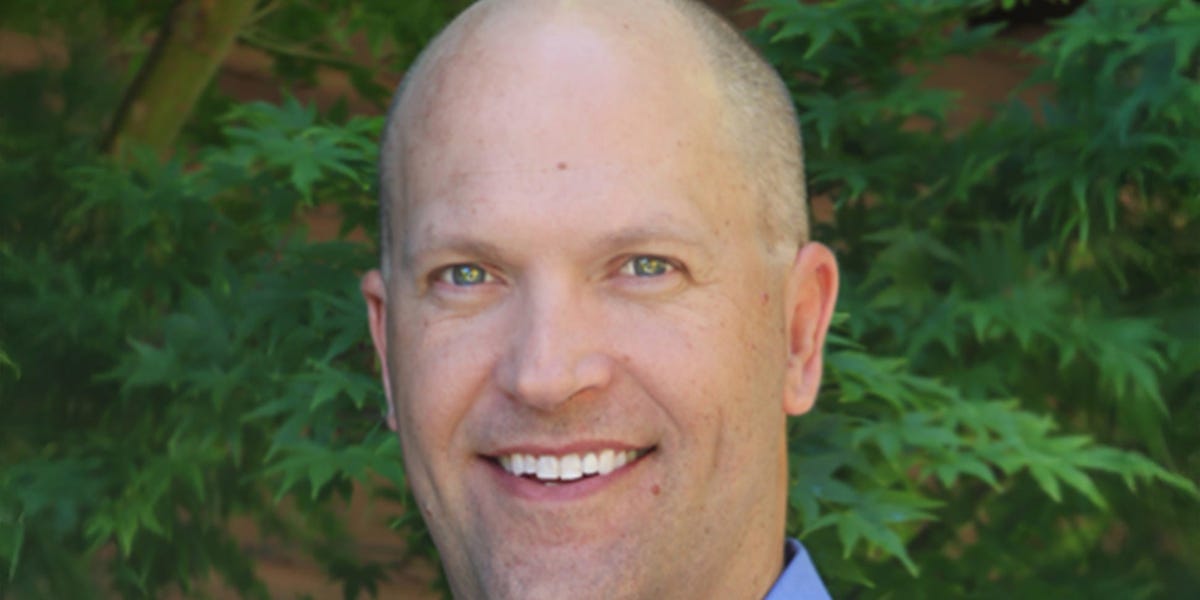
Based on a conversation with Scott Ellis, a 55-year-old millionaire residing in Silicon Valley, this as-told-to essay explores California’s proposed 5% billionaire wealth tax. Ellis is part of Patriotic Millionaires, a group of affluent Americans advocating for equitable taxation, livable wages, and equal political access. The conversation has been edited for length and clarity.
California, a state of innovation and opportunity, has become home to many who initially never thought they’d settle there. Scott Ellis, who spent his early years in Colorado and pursued education in Boston, found himself drawn to Silicon Valley for its unique climate and dynamic environment, not its tax policies. “Taxes have never been anywhere on our list of criteria for deciding where to live,” he shared, emphasizing that location choices are often driven by family, weather, and job opportunities. (source)
Ellis, a proud taxpayer, views taxes as a societal necessity, crucial for an effective government. He believes in paying higher taxes due to his wealth, stating, “I should pay taxes that are higher than other people because I have more wealth than other people — that makes sense.”
My wife and I achieved financial success in our careers
The financial journey of Scott Ellis and his wife is marked by early career successes. Ellis, a Harvard graduate, kickstarted his professional life at McKinsey before moving to Stanford and later joining Hewlett-Packard. In 2007, his wife was a VP at Yahoo, and Ellis decided to become a stay-at-home parent, allowing his wife to flourish in her career at Yahoo, Google, and Pinterest. (source)
I developed an interest in social issues in college
Ellis’s college years were pivotal, as he delved into subjects like poverty and urban America, sparking his interest in societal fairness and justice. His career and family life took precedence, but he later returned to these concerns, engaging in volunteer work and leading nonprofits like New Teacher Center. Since 2012, Ellis has advised numerous individuals and organizations on strategy and operations, focusing on wealth’s societal impact. (source)
I’ve been struck by the massive accumulation of wealth
Ellis observes a stark shift in wealth accumulation, driven by the consumer internet, globalization, and finance industry structures. In Silicon Valley, he sees a concentration of wealth that contrasts sharply with the poverty affecting 10% of the population. This disparity prompts Ellis to question the societal choices of those with excessive wealth. (source)
People don’t need more than $30 million
The proposed wealth tax in California, though not affecting Ellis directly, raises essential questions about wealth limits and financial success. Ellis argues that $30 million is sufficient for a luxurious life and advocates for a 50% tax on wealth exceeding this threshold to prevent excessive power and influence. He contrasts this with the struggles of those working multiple jobs, highlighting the role of luck in success. (source)
The wealth tax is a step in the right direction — but not enough
Ellis supports the wealth tax initiative but emphasizes the need for federal implementation to address wealth disparities effectively. He dismisses concerns about wealthy individuals leaving California as distractions, noting that business and residential moves are common. With attractions like the Golden Gate Bridge and Hollywood, California remains an appealing place to live. Ellis, a Californian at heart, plans to stay despite his fond memories of Colorado and his enduring support for the Denver Broncos. (source)