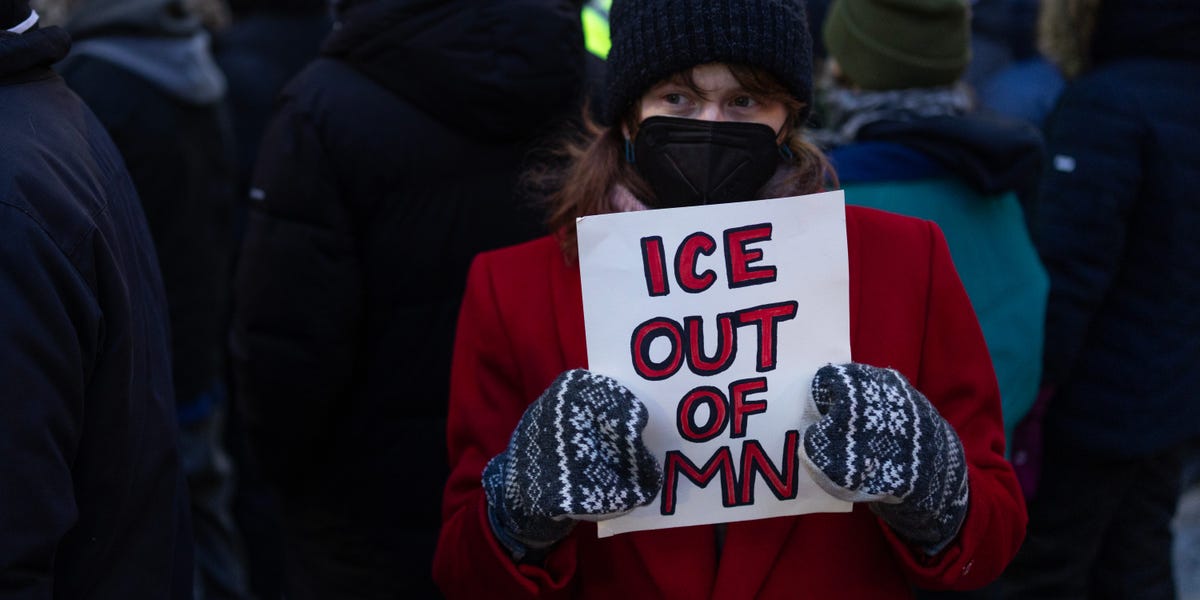
In the wake of recent fatal shootings by ICE agents in Minnesota, several prominent CEOs are stepping into the political sphere once more. This marks a shift from a previous cautious approach under the Trump administration, where corporate leaders often refrained from speaking out due to potential backlash.
Executives from over 60 major Minneapolis-based companies, including UnitedHealth, 3M, and General Mills, have signed a letter urging for a reduction in tensions. Notably, the letter refrains from directly naming President Trump, ICE, or the victims, Alex Pretti and Renee Good.
The incoming CEO of Target released a video message to employees, describing the violence as “incredibly painful” without directly mentioning Trump or ICE.
In contrast, leaders in the tech sector and venture capital, along with small business owners, have openly criticized the Trump administration and ICE on social media, using terms such as “murderer” and “shameful.”
Jeffrey Sonnenfeld, a leadership expert from Yale, noted, “CEOs are feeling the community pressure.” He suggested that expressions of sorrow lacking direct mentions of Trump or ICE might be seen as a challenge to the White House’s immigration policies. “That is not what the Trump administration wanted,” he added.
A White House spokesperson referred to comments on X by press secretary Karoline Leavitt, stating that neither President Trump nor anyone at the White House wishes harm on America’s streets. Leavitt attributed the Minneapolis incident to “hostile resistance by Democrat leaders in Minnesota.”
Potential Repercussions
CEOs who have previously spoken out against political issues have sometimes faced consequences. Earlier, President Trump hinted at banning ExxonMobil from Venezuela after its CEO criticized the country’s investment climate.
Similarly, after Elon Musk criticized a spending bill, Trump threatened to revoke government contracts with Musk’s enterprises.
Michael Serazio, a communications professor, advises caution, stating, “It’s probably still best for companies and CEOs to play it safe.” He emphasized the potential governmental pressures that could be exerted on dissenting companies.
Despite this, some CEOs continue to voice their concerns. Robert Pasin, CEO of Radio Flyer, shared an email critical of the Minneapolis shootings, which received positive feedback from his staff.
Initially, during Trump’s presidency, CEOs were more vocal about political issues, especially after the George Floyd incident and the January 6 riots. However, this trend shifted as some major business leaders began aligning more closely with Trump.
‘Community Support’
Public statements by CEOs can alienate some stakeholders, but many feel compelled to take a stand. Lloyd Vogel, CEO of Garage Grown Gear, publicly denounced the shootings in a LinkedIn post, emphasizing solidarity with his community.
Vogel acknowledged the nervousness of speaking out in today’s charged atmosphere but felt it was necessary. “There’s so much fear in Minnesota right now,” he said, stressing the importance of having a perspective.
Jeff Berman, CEO of WaitWhat, also shared critical views on LinkedIn about the administration’s actions. He believes more leaders should do the same, particularly those leading large corporations who can wield significant influence.
Berman argues that fear of short-term shareholder backlash and potential retaliation from Trump is holding many back. He urges CEOs to consider wider implications for stakeholders and democracy, cautioning, “They stay quiet at their own peril.”