Proposed Sea Lamprey Barrier in Upper Peninsula Under Public Review
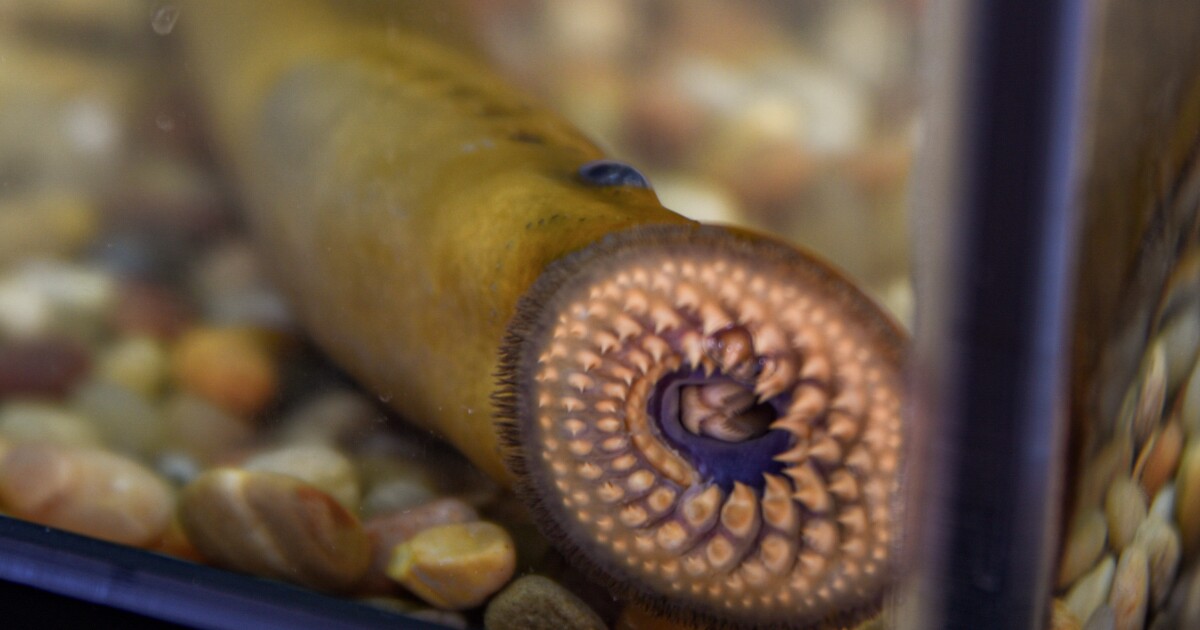
The Great Lakes Fishery Commission and the U.S. Fish and Wildlife Service are currently seeking public input on a proposed sea lamprey barrier project in Michigan’s Upper Peninsula. This initiative aims to protect the region’s aquatic ecosystem from the invasive sea lamprey, a species known for its destructive impact on native fish populations.
Project Overview
The first phase of the project involved the replacement of undersized culverts with a free-span bridge to enhance fish passage and reduce streambank erosion. The upcoming second phase focuses on constructing a barrier to prevent sea lampreys from migrating further up the Sucker River in Alger County.
Understanding the Threat
Sea lampreys, which have been present in the Great Lakes since the early 1900s, pose a significant threat to local fish populations. During their feeding phase, a single lamprey can consume up to forty pounds of fish, leading to detrimental ecological consequences.
Project Benefits
Pete Hrodey, a representative from the U.S. Fish and Wildlife Service, emphasized that the barrier would help contain the spread of sea lampreys, allowing for more effective chemical treatments to control their population. By reducing lamprey infestation in the area, resources can be redirected to managing lamprey populations in other tributaries of the Great Lakes.
Community Engagement
Members of the public are encouraged to provide feedback on the proposed project until February 22. Comments can be submitted to Pete Hrodey via email at pete_hrodey@fws.gov. Construction of the barrier is expected to commence in the summer, with completion scheduled for early fall.
Collaborative Funding
The project is made possible through the support of federal, state, and non-profit organizations, highlighting a collaborative effort to preserve the ecological balance of the Great Lakes region.