
US Warns of Potential Military Action in Venezuela
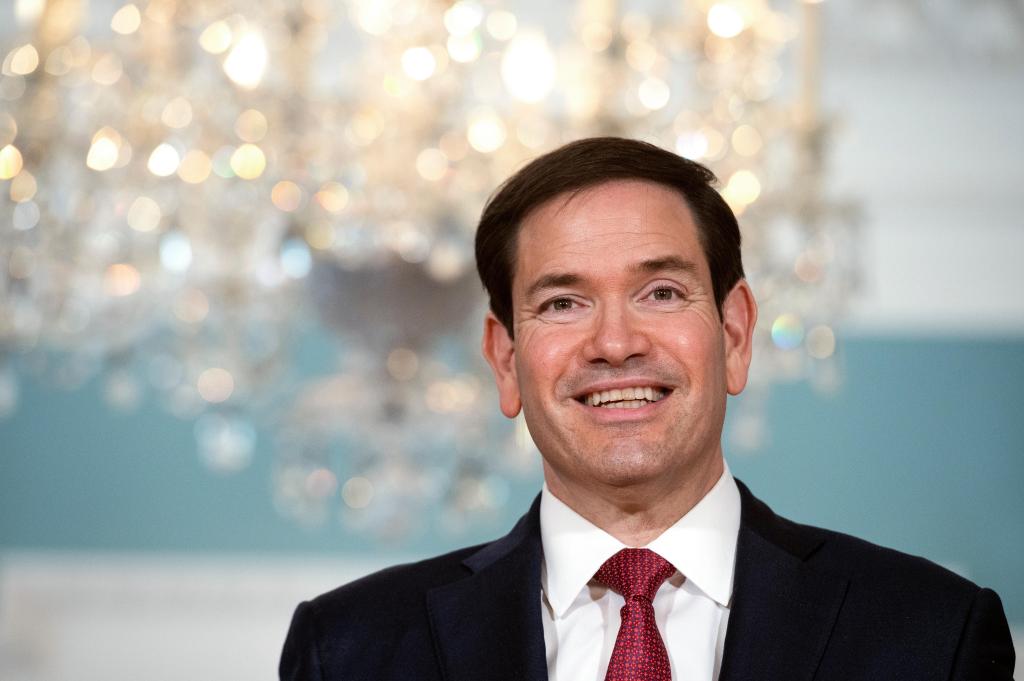
In a significant statement, Secretary of State Marco Rubio is set to announce the Trump administration’s readiness to consider military action in Venezuela should its interim leadership deviate from U.S. expectations. Rubio’s remarks, prepared for delivery at a Senate Foreign Relations Committee hearing, underline a stern U.S. stance on Venezuelan affairs.
According to Rubio’s prepared testimony, although the U.S. is not currently engaged in a war with Venezuela, the administration remains open to using force if necessary. This follows a recent operation to apprehend former President Nicolás Maduro. Rubio stated, “We are prepared to use force to ensure maximum cooperation if other methods fail. It is our hope that this will not prove necessary, but we will never shy away from our duty to the American people and our mission in this hemisphere.”
As a former Florida senator, Rubio frequently acts as a spokesperson for President Trump’s contentious foreign policy initiatives, which see-saw between various global priorities. His testimony aims to reassure Congress, particularly amidst intra-party concerns over policies, such as Trump’s proposal to annex Greenland.
Congressional Division on Trump’s Venezuela Strategy
The issue of military engagement in Venezuela has stirred debate in Congress. While Republicans largely endorse Trump’s actions as exercising presidential powers, Democrats criticize them as executive overreach. A recent war powers resolution, which sought to withdraw U.S. military presence from Venezuela, was narrowly defeated in the House.
Despite denials of U.S. troop presence in Venezuela, the administration’s military activities in the region have sparked legal challenges. Families of Trinidadian nationals killed in a military operation have initiated a wrongful death lawsuit, marking the first of its kind in this campaign.
Efforts to Normalize Relations with Venezuela
In parallel with exerting pressure, U.S. officials are striving to normalize relations with Venezuela’s acting President Delcy Rodríguez. While the U.S. pushes for energy sector reforms and other demands, Rodríguez has indicated a willingness to engage, acknowledging the consequences of non-compliance.
Rodríguez has commenced releasing political prisoners, with 266 freed since January. This move has been publicly praised by Trump, who called it a “powerful humanitarian gesture.” Additionally, the State Department has informed Congress about plans to send more diplomatic staff to Caracas, hinting at a potential reopening of the U.S. Embassy.
Rubio is also expected to meet Venezuelan opposition leader María Corina Machado. After enduring a controversial election and subsequent exile, Machado has returned to the spotlight, notably presenting her Nobel Peace Prize medal to Trump as a symbolic gesture.
___
Associated Press writer Regina Garcia Cano in Caracas, Venezuela, contributed to this report.