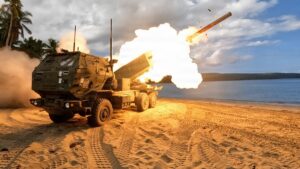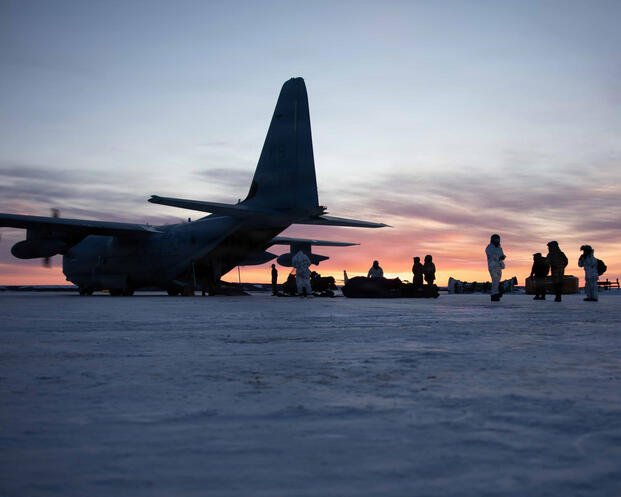
The U.S. Marines are once again proving their capabilities in diverse environments, from snowy terrains to tropical climates. As winter envelops the High North, Marines are honing their cold-weather skills in anticipation of Cold Response 2026, a significant NATO exercise set for March. This operation, involving about 3,000 Marines, emphasizes defending Norway while enhancing collective capabilities to counter emerging threats.
“In the snow of far-off northern lands and in sunny tropic scenes, you will find us always on the job, the United States Marines.”
With a Marine Air-Ground Task Force deploying from Camp Lejeune, North Carolina, the exercise highlights the Corps’ rapid deployment and interoperability under challenging conditions. Major General Daniel Shipley, commander of Marine Corps Forces Europe and Africa, noted, “This exercise isn’t just about preparing for today’s threats. It’s about building the capabilities and strengthening the capacity necessary to deter future aggression and safeguard our shared interests.”
Cold-Weather Readiness and Equipment Testing
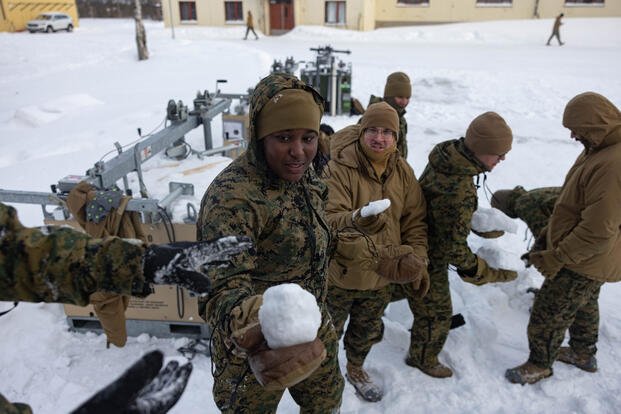
In January, the focus is on hands-on cold-weather training, covering survival skills and equipment maintenance in freezing temperatures. Marines are evaluating cold-weather clothing, skis, and snowshoes to ensure they meet the demands of long-term operations. These preparations build on past experiences, emphasizing mobility and sustainability in snowy landscapes.
The U.S. is deploying assets like P-8 Poseidon maritime patrol aircraft for surveillance and F-35A Lightning II fighters to ensure air superiority. This integration with ground units aims at creating joint all-domain operational effects.
Strategic Importance of Cold Response 2026
Cold Response is a key element in NATO’s defense strategy for its northern territories, engaging about 25,000 personnel from various countries in realistic combat exercises. The activities include amphibious assaults, live-fire drills, and logistical operations under simulated adversarial conditions, all aimed at strengthening deterrence in the Arctic.
The exercise takes place in Norway, utilizing extensive training grounds that replicate potential operational challenges. Participants from nations such as Canada, Denmark, and the UK work together to enhance collaboration and prepare for distributed operations in demanding environments.
Arctic Security and Allied Collaboration
The exercises occur amid growing focus on Arctic security, including discussions on increased cooperation. President Donald Trump has highlighted Greenland’s strategic importance, promoting enhanced U.S. access under the 1951 Defense of Greenland Treaty. This aligns with NATO’s goals, with Adm. Giuseppe Cavo Dragone affirming, “Cohesion is the key quality of this group. Yes, we do have differences. But those differences can and do make us better.”
Efforts to boost security in the Arctic include European troop deployments to Greenland. President Trump has expressed optimism about reaching outcomes beneficial to NATO and the U.S. For more on these developments, see our coverage on Trump’s Arctic Security Strategy and European Troops in Greenland.
Future Impact and Marine Corps’ Role
The Marines contribute specialized units to joint missions with allied forces, exemplifying rapid deployment from Camp Lejeune to reinforce NATO’s defenses. This engagement supports Force Design principles, adapting to cold environments while maintaining combat effectiveness.
U.S. initiatives in the Arctic, such as enhanced basing and surveillance, aim to counter potential threats from nations like Russia and China. Looking forward, exercises like Cold Response strengthen partnerships and ensure Marines remain ready for high-latitude operations. For insights into related Arctic strategies, refer to Trump’s Position on Greenland.