Breaking Barriers: Black Women Pioneering in Michigan Politics
Michigan made history with the recent inauguration of Mary Sheffield as the first female mayor of Detroit, also marking her as the first Black woman to hold the position in the city’s 318-year history. This significant milestone not only celebrates Sheffield’s achievement but also shines a spotlight on other trailblazing Black women in Michigan politics, such as Brenda Lawrence.
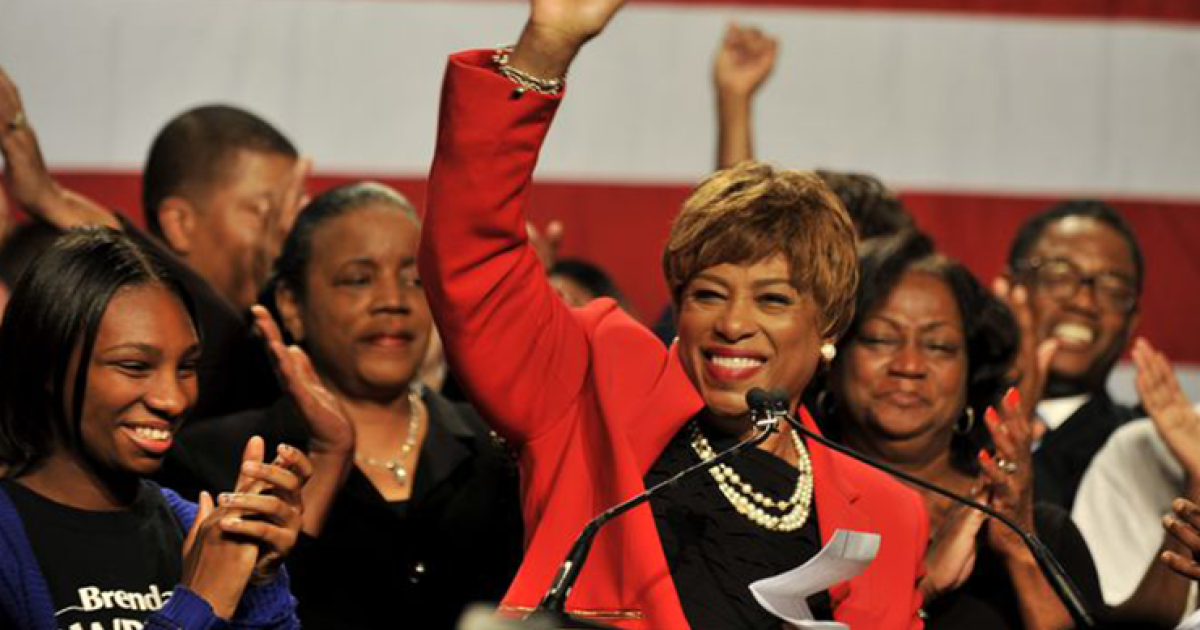
In 2001, Brenda Lawrence shattered barriers by becoming the first Black mayor of Southfield, a city in Oakland County. Lawrence’s groundbreaking journey continued as she represented Michigan in Congress for eight years, leaving an indelible mark on the state’s political landscape.
Reflecting on her early days as mayor, Lawrence shared a poignant moment that encapsulates the impact of representation: “I recall one of the most memorable moments. I was at a school and a little girl walked up to me… she said, ‘Then I can be mayor, too.'”
Lawrence’s transition from a 30-year career at the U.S. Postal Service to politics exemplifies her deep-rooted commitment to community service instilled by her grandmother. Starting as a letter carrier, Lawrence’s direct interactions with residents fueled her passion for public service, ultimately propelling her into the realm of politics.
During her congressional tenure, Lawrence held pivotal roles, including being the sole Michigan representative on the House Appropriations Committee upon leaving office. She navigated spaces where women and African-Americans have historically been underrepresented, shedding light on the need for diverse voices in positions of power.
Despite Detroit being a predominantly Black city, the current lack of Black representation in Congress underscores the ongoing work needed to ensure diverse and inclusive political leadership that resonates with the community it serves.
Former Congresswoman Brenda Lawrence underscores the importance of representation at all levels of government, emphasizing the need for elected officials to truly reflect the demographics of the communities they serve. In a recent interview, Lawrence highlighted the significance of having a diverse range of voices in decision-making spaces to ensure that all concerns are addressed.
During her time in Congress, Lawrence represented a wide array of communities, including Detroit, Grosse Pointe, Southfield, and Pontiac Lake Village. She expressed her commitment to engaging with constituents from all backgrounds and advocating for their needs. Lawrence stressed the importance of inclusivity in policymaking and urged individuals to hold their representatives accountable for being present in spaces where critical decisions are made.
Addressing the challenges faced by young politicians, Lawrence offered words of encouragement to Mayor Mary Sheffield and others on their political journey. She acknowledged the heightened scrutiny and expectations that come with being a trailblazer in politics, emphasizing the need to persevere in the face of criticism. Lawrence highlighted the double standards often faced by women in leadership roles, urging them to focus on their work and not be deterred by external judgments.
In a poignant message to aspiring leaders, Lawrence emphasized the resilience and determination required to navigate the complexities of political life. She encouraged individuals to stand firm in their convictions, even in the face of adversity, and to carve out their place at the table of decision-making.
As the conversation around representation and diversity in politics continues to evolve, Lawrence’s insights serve as a reminder of the ongoing need for inclusive and equitable governance. Her words resonate with aspiring leaders, urging them to embrace their unique perspectives and contribute meaningfully to the political landscape.