
Communities Push Back Against Secretive Plans for New ICE Facilities
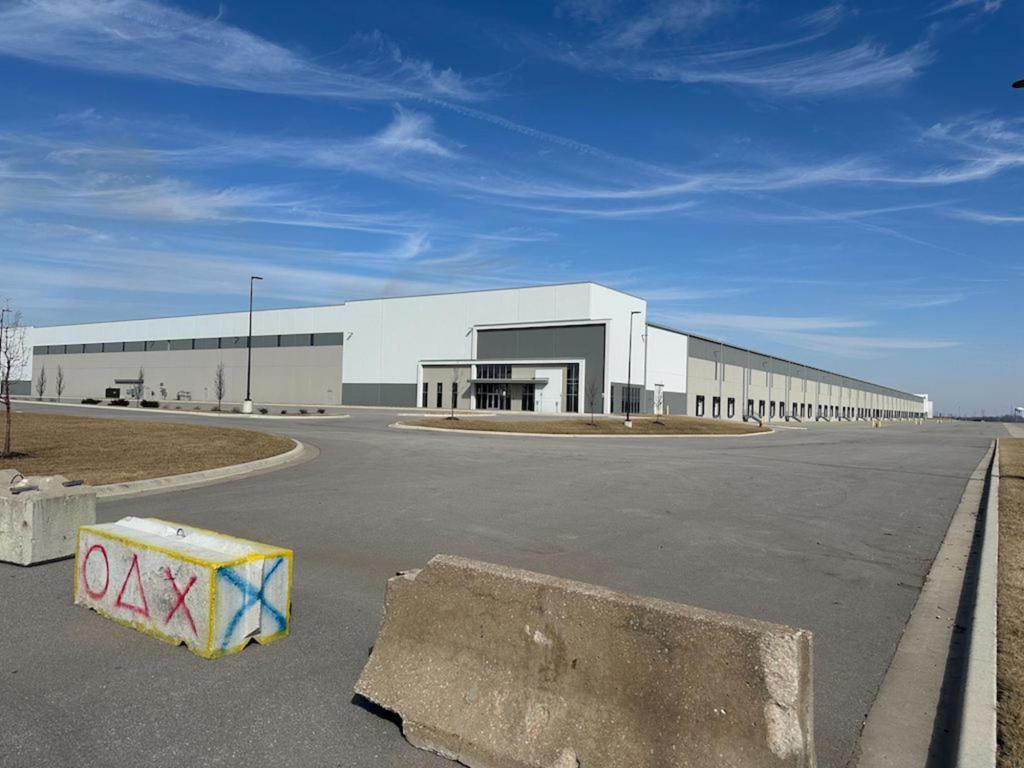
Plans to develop an immigration processing center in Oklahoma City have sparked significant backlash, as local residents and officials express frustration over the lack of transparency from federal agencies. The proposed facility, intended to be housed in a vacant warehouse, has raised concerns about the impact on the community and the opaque process by which it was introduced.
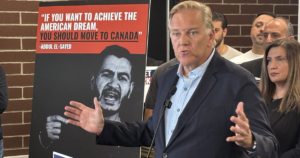
Oklahoma City Mayor David Holt criticized the absence of communication from U.S. Immigration and Customs Enforcement (ICE), noting that such developments typically require extensive local planning and zoning discussions. “For any entity to be able to open a detention center in our communities… is very challenging,” Holt stated, emphasizing the need for community involvement in high-impact projects.
This situation is not unique to Oklahoma City. Across the nation, cities are confronting similar challenges due to ICE’s ambitious expansion plans, funded by a $45 billion congressional budget increase aimed at boosting immigration detention capacity. As of January, ICE was detaining over 70,000 individuals and seeks to significantly expand its infrastructure with new processing sites and detention centers.
Despite these plans, many local governments have mounted opposition, citing both humanitarian and economic concerns. From Utah to Georgia, there is growing resistance to converting industrial spaces into detention centers, with city leaders leveraging public opinion to dissuade private developers and federal policymakers.
While cities like Kansas City have enacted moratoriums on nonmunicipal detention facilities, legal experts highlight the limitations imposed by the U.S. Constitution’s supremacy clause, which prioritizes federal law over state and local regulations. This legal framework complicates efforts to halt federal projects.
However, public pressure has led to some victories. In Oklahoma City, the warehouse owner withdrew from negotiations with federal authorities following widespread opposition. Similarly, in Virginia and Mississippi, proposed ICE facilities were shelved after facing political and public resistance.
Conversely, some regions have embraced the potential economic benefits of new ICE facilities. In Maryland, a county recently declared its support for ICE’s plans to purchase a local warehouse, despite community protests.
Local vs. Federal Authority
Efforts to block ICE facilities have also spurred legal debates over the extent of local authority. Kansas City Council member Andrea Bough, an attorney, acknowledges the supremacy clause’s challenges but argues for exploring legal avenues to assert local zoning powers.
Elsewhere, legal advice has been less optimistic. Orlando’s City Attorney, Mayanne Downs, advised local officials that federal immunity from local regulations, including zoning, is clear, limiting their ability to oppose ICE projects.
The situation in Merrimack, New Hampshire, further illustrates the complexities of federal-local relations. The town discovered ICE’s plans to convert a local warehouse only through open records requests. While the project promises job creation, local officials are concerned about the loss of tax revenue and increased demand on city services.
The Broader Implications
Nationally, the debate over ICE facilities reflects broader tensions between federal authority and local governance. While federal agencies have historically engaged with communities on projects, the current approach to ICE facility planning has left many local leaders feeling sidelined.
As communities continue to grapple with these developments, legal battles and public advocacy are likely to play crucial roles in shaping the outcome. The dynamic between federal objectives and local interests will remain a contentious issue, with potential implications for future federal projects.