Arizona’s Housing Market Shake-Up: Major Landlord Settles in Price Fixing Case
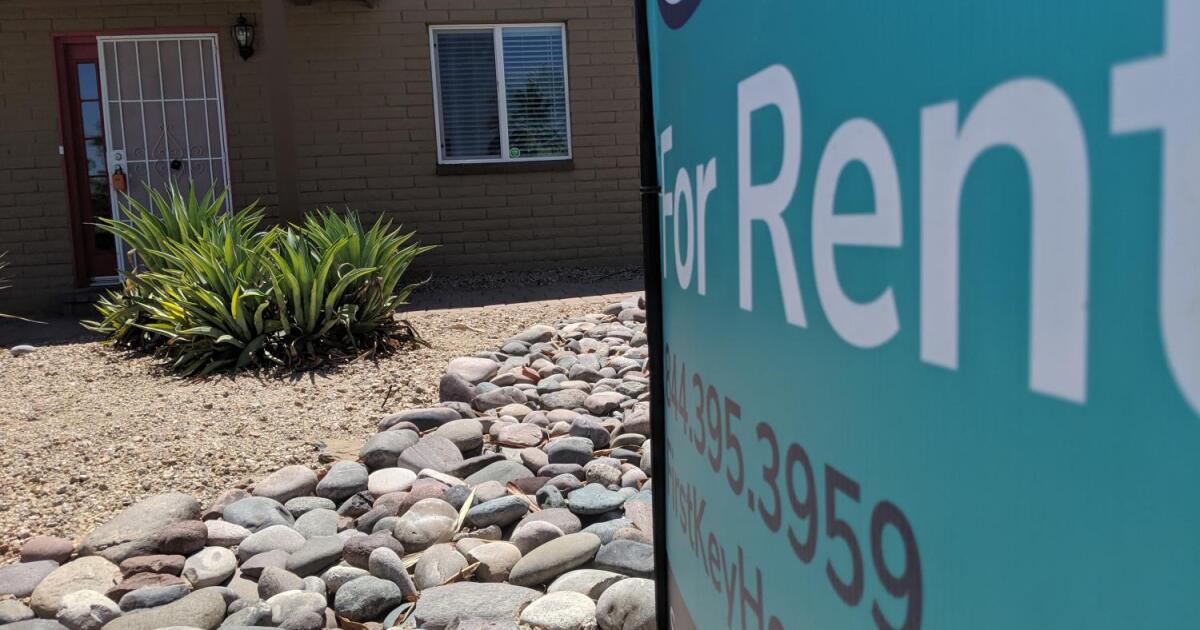
In a significant move to regulate Arizona’s housing market, Attorney General Kris Mayes announced a settlement involving one of the state’s largest landlords. Weidner Property Management has agreed to a nearly $1 million payout to a rental nonprofit aimed at reimbursing tenants for up to two months’ rent following allegations of rental price manipulation.
This legal action is part of Mayes’ broader strategy to transform Arizona’s rental landscape. Her vision is to create a competitive market where landlords strive to attract renters, rather than colluding to maximize profits. She stated her intent to ensure landlords are “fighting for their renters business. Not coordinating with each other to extract as much money as possible from their renters.”
The lawsuit isn’t an isolated case. Mayes has indicated plans to investigate at least seven more landlord companies alongside RealPage, a software firm that has faced multiple anti-trust lawsuits over its pricing algorithm. This system, which offers daily rental price recommendations, has been criticized for potentially enabling landlords to set higher rates by leveraging confidential data, as reported by the Associated Press.
As part of the settlement, Weidner Property Management must cease its relationship with RealPage for a minimum of five years. Mayes has issued a stern warning about future violations, stating, “I’d sue them again in a heartbeat for doing this.”
Other economic challenges also loom in Arizona. The average cost of assisted living and memory care remains significant, with residents paying approximately $4,800 and $5,400 per month, respectively.
Additionally, the state’s water department faces legal scrutiny from homebuilders over actions that could potentially disrupt Arizona’s groundwater protection policies.
Arizona lawmakers continue to grapple with various housing issues, including discussions on a bill concerning middle housing exemptions in historic neighborhoods.
Senator Ruben Gallego has highlighted the economic struggles of younger generations, noting the difficulties faced by Gen Z in achieving homeownership and building wealth.
Despite these challenges, efforts are underway to address the state’s housing shortage of over 50,000 units, with organizations actively working to develop affordable housing solutions across the region.
“`