Michigan Governor Highlights Education and Housing in Final State Address
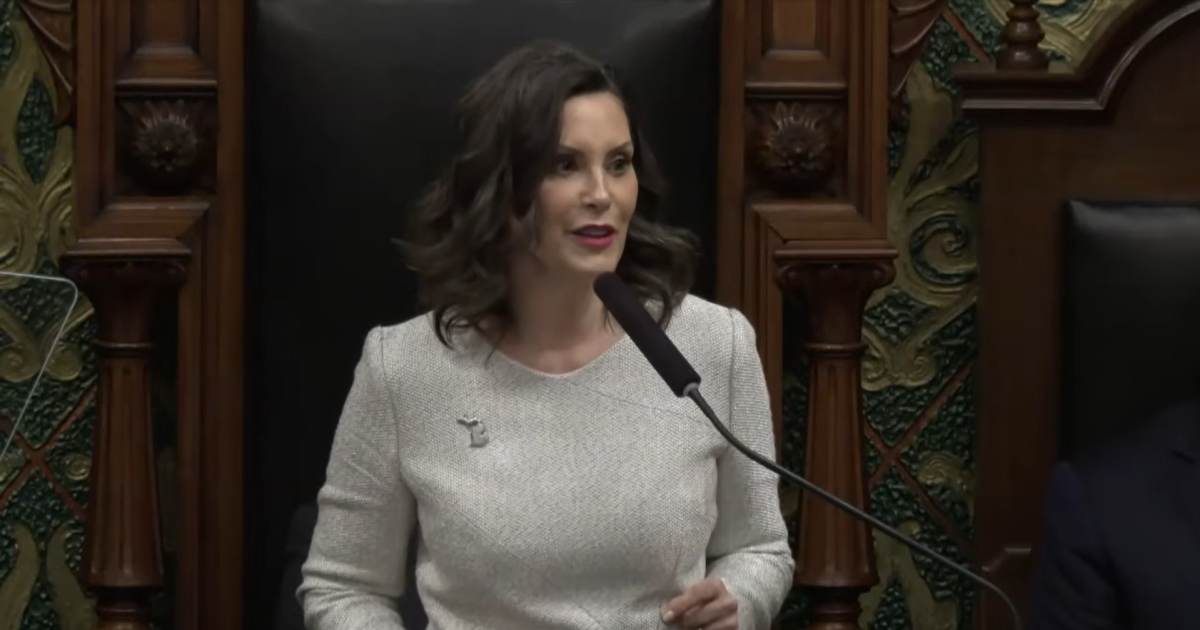
Michigan Governor Gretchen Whitmer delivered her eighth and final State of the State address, emphasizing key priorities for the state’s future. During her speech, Whitmer outlined a comprehensive agenda aimed at improving education and housing in Michigan, setting the stage for upcoming elections that will shape the state’s political landscape.
Focus on Education
Whitmer’s address highlighted the critical need to address Michigan’s low reading scores, which currently rank among the lowest in the nation. The governor proposed a three-part plan to tackle this issue, including continued funding for free preschool for 4-year-olds, updates to literacy education in schools, and additional support for tutors and reading coaches. Emphasizing the urgency of the situation, Whitmer called the state’s fourth-grade reading scores a “serious problem” that demands sustained investment and action.
Affordable Housing Initiatives
Another key aspect of Whitmer’s address focused on housing affordability in Michigan. The governor urged lawmakers to consider implementing a tax credit to incentivize the construction of affordable homes. Additionally, Whitmer acknowledged a bipartisan plan in the House that aims to establish statewide regulations on local zoning laws, making it easier to build housing in areas where it is needed. While these initiatives aim to address housing challenges in the state, local governments have expressed concerns about potential restrictions on their authority to set land-use rules.
Addressing Medical Debt and Medicaid Cuts
Whitmer also called for measures to protect individuals from overwhelming medical debt, including capping interest rates, preventing debt from impacting credit scores, and banning medical debt-related home foreclosures. With looming federal cuts to programs like Medicaid, the governor emphasized the importance of additional state spending to ensure eligible Michiganders maintain access to essential benefits and coverage.
Michigan Governor Gretchen Whitmer presented her budget proposal, aiming to address health care costs and help residents pay less for necessary care. However, Republican lawmakers have expressed concerns about the proposed tax increases and the use of the state’s rainy-day fund.
House Speaker Matt Hall and Senate Minority Leader Aric Nesbitt, both Republicans, emphasized their willingness to collaborate with the governor on issues like housing and medical debt. Nonetheless, they are adamant about rejecting tax hikes on vaping and nicotine products, online gambling, and drawing from the rainy-day fund.
Hall highlighted the GOP’s openness to reaching a budget agreement if Whitmer abandons the contentious proposals. On the other hand, Whitmer’s office cited federal funding cuts and declining state revenue to justify the need for additional income to cover budget shortfalls.
In response, Hall introduced a plan to reduce property taxes, including those that support schools and local governments, and replace the lost revenue with alternative taxes. Additionally, the proposal includes a mandate for utilities to lower consumer rates by at least $1 billion.
Nesbitt criticized Whitmer’s tax plans and her decision to repeal a policy that graded schools based on student performance, arguing that accountability measures were essential for the state’s educational improvement. As the political landscape gears up for the next gubernatorial election, speculation about Whitmer’s future post-term limits has been circulating due to her growing national prominence.
With a competitive field of nine Republican and four Democratic candidates eyeing the gubernatorial seat, the debate over Michigan’s budget priorities and tax policies is expected to intensify in the coming months. Despite differing perspectives, both parties aim to address the state’s financial challenges and improve the quality of life for Michigan residents.