In the midst of the midterm elections, Senate Republicans are focusing heavily on affordability as a key campaign theme. However, there is a potential conflict of interest, as some of their most significant contributors are corporations accused of exacerbating price hikes affecting everyday Americans.
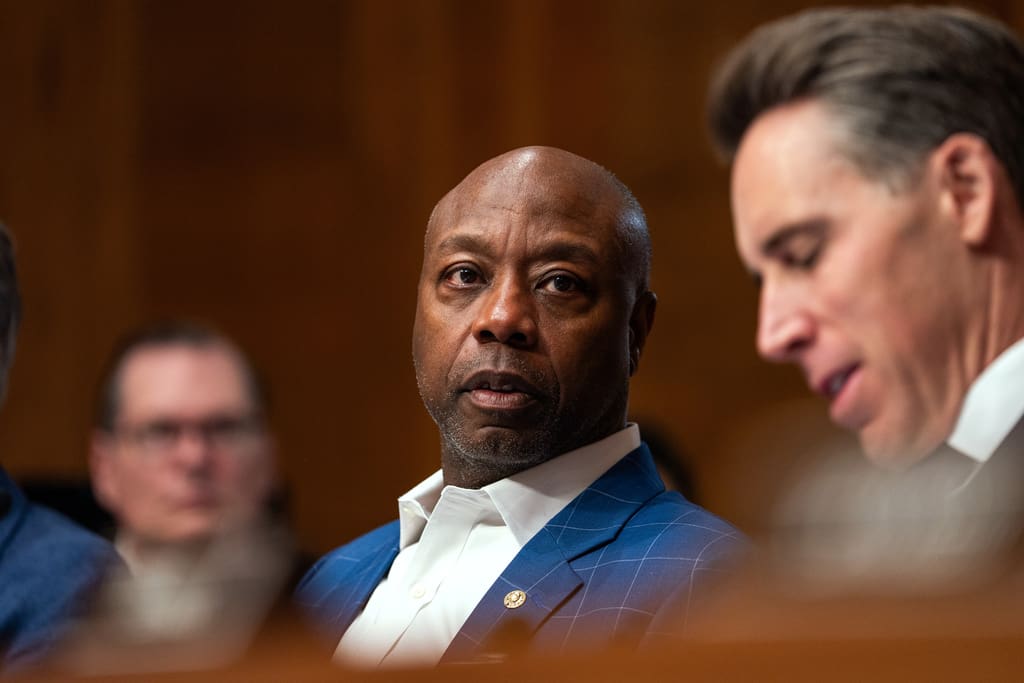
Sen. Tim Scott of South Carolina, who leads the National Republican Senatorial Committee (NRSC), emphasized the importance of affordability, declaring 2026 as “a year of affordability” during an interview with Fox News last December. Scott pointed to former President Donald Trump’s efforts to reduce prices. However, a Pew poll shows that a growing number of Americans are struggling with costs related to essentials like food, housing, utilities, and healthcare.
This financial strain on Americans is influenced by various factors, such as tariffs imposed by Trump and the lapse of Affordable Care Act subsidies. Nevertheless, corporate price hikes are a major driver of these economic challenges. Companies have been accused of raising prices and increasing profits while consumers face mounting debts.
Koch Industries, a major player in the fuel and construction materials sector, has expanded its influence by acquiring fertilizer plants, including a $3.6 billion purchase in Iowa. As one of four companies dominating 75% of the fertilizer market, Koch’s actions have raised concerns among farmers. The Iowa Farmers Union expressed discontent, stating, “The deal is bad for Iowa farmers, bad for Iowa’s economy, and ultimately bad for consumers paying high food prices.”
Meanwhile, Koch Industries has been a significant financial supporter of Republican Senate candidates, contributing $12.75 million through PACs like Americans for Prosperity and the Senate Leadership Fund, which seeks to maintain and grow the Republican Senate majority.
In addition, Stephen A. Schwarzman, CEO of Blackstone, contributed $5 million to the Senate Leadership Fund. Blackstone, known as “the largest commercial landlord in history,” has faced scrutiny for raising rents significantly after acquiring properties, contributing to a global housing affordability crisis.
Smaller, yet substantial donations also came from figures like Michael Smith of Freeport LNG and Jeffrey Hildebrand of Hilcorp, alongside contributions from oil firms like Occidental Petroleum and Ovintiv. These companies have been accused of driving up energy prices, with Freeport LNG’s export practices and Hilcorp’s operations in Alaska drawing particular criticism.
Amid energy price concerns, federal regulators initiated an investigation in 2024 into potential collusion between Occidental Petroleum, Ovintiv, and OPEC to manipulate gas prices. This investigation remains active.
Beyond essential goods, price increases have extended to other sectors. Paul Singer of Elliott Investment Management, who contributed $3.75 million to the Senate Leadership Fund, acquired a stake in Southwest Airlines, which soon after introduced charges for checked baggage, adding to consumer costs.