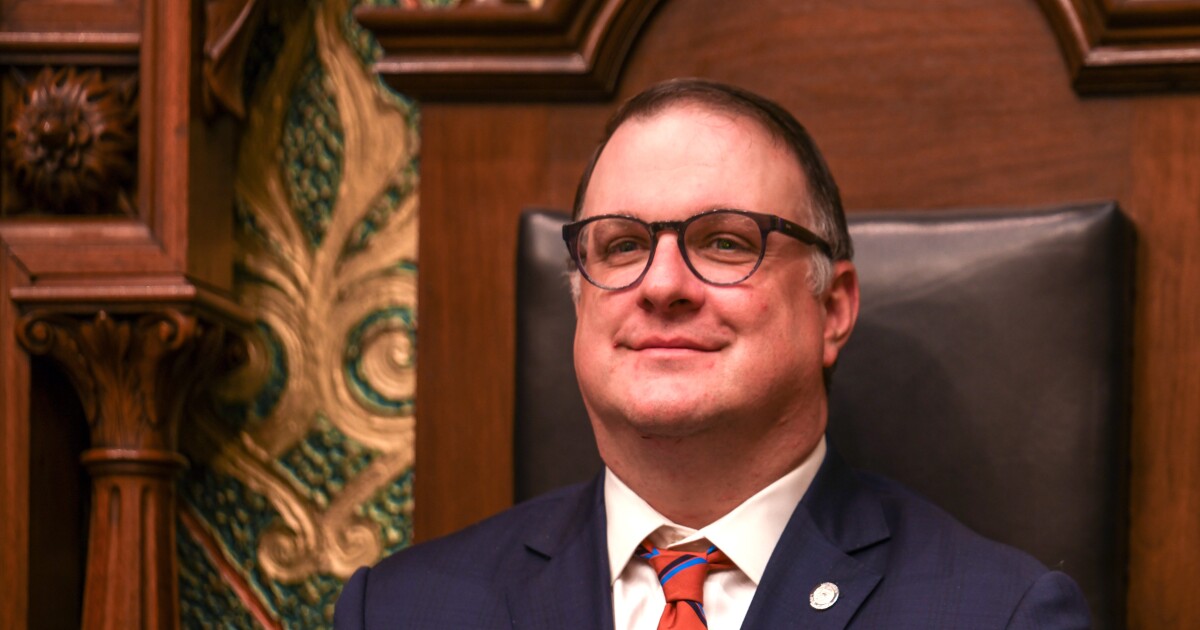
Michigan House Approves $152 Million Spending Bill for Selfridge Air National Guard Base
The Michigan House has passed a significant spending bill amounting to over $152 million to facilitate runway improvements at Michigan’s Selfridge Air National Guard Base. The base is set to undergo federally-funded construction to support a new fighter mission announced by former President Donald Trump last year.
Michigan House Speaker Matt Hall expressed concerns that the mission might not materialize if the necessary runway work is not completed before the change in the federal administration. He emphasized the importance of timely construction to ensure the success of the project.
The bill received approval with a 65-41 vote, with members of both Democratic and Republican parties supporting the measure. However, some Democrats questioned the sudden urgency behind the vote, citing that significant funding has already been allocated by both state and federal governments for the project.
State Representative Denise Mentzer acknowledged the financial support already in place but mentioned that the project is still in the planning stages without physical implementation. Despite voting in favor of the spending plan, Mentzer deemed the timing slightly premature.
The bill will now move to the Michigan Senate, where the appropriations chair expressed surprise at the sudden development. While not ruling out consideration for Selfridge funding, the chair highlighted the need to address an anticipated budget shortfall as a priority.
Michigan Governor Gretchen Whitmer’s team did not provide a direct response to the budget push for the runway but reiterated the governor’s commitment to securing funding for the base’s new fighter and tanker missions to bolster Michigan’s defense and aerospace capabilities.
Additionally, House Speaker Matt Hall presented a comprehensive policy agenda involving property tax cuts and the introduction of sales tax on various services. The proposal aims to utilize savings from utility companies to reduce power bills for residents, although specific details on implementation remain unclear.
Despite the ambitious plan, skepticism looms in Lansing due to the lack of detailed information on the proposed tax changes and their potential impact on the state’s economy.