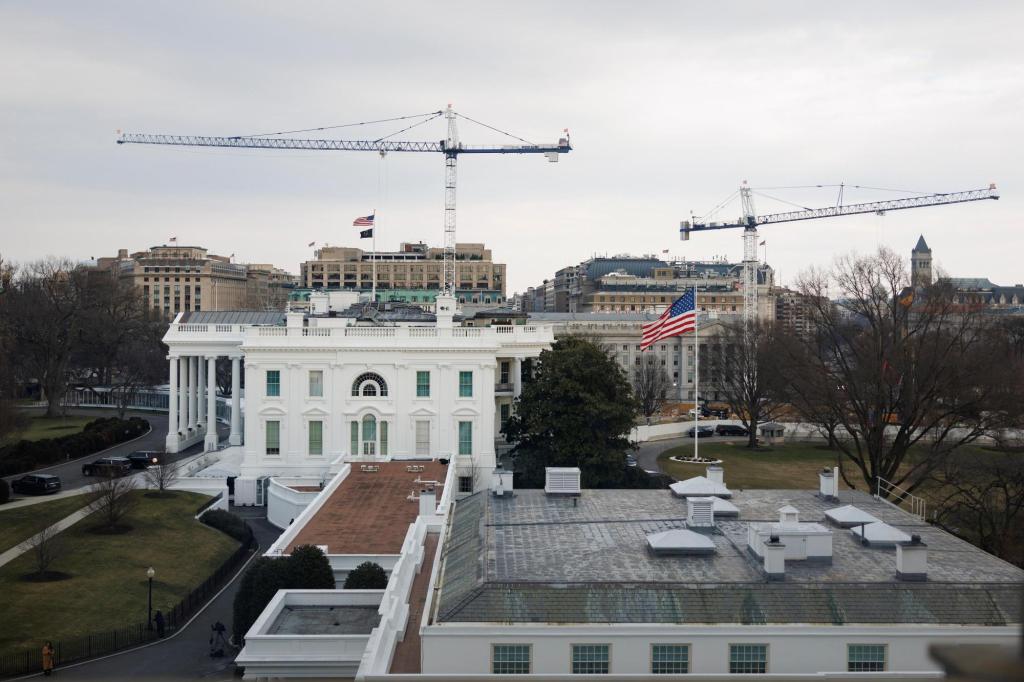
Controversy Surrounds Proposed White House Ballroom Expansion
The plan to add a massive ballroom to the White House has sparked significant debate among architects and preservationists. Concerns have been raised about the potential impact on the historic site, with critics urging reconsideration of the project’s scale.
Architect David Scott Parker, who is a Fellow of the American Institute of Architects and specializes in historic preservation, has voiced strong objections to the proposed 90,000-square-foot addition. He argues that the scale of the project could permanently alter the iconic appearance of the White House. Parker shared his concerns with The Associated Press as the National Capital Planning Commission prepared for a pivotal vote on the proposal. The U.S. Commission of Fine Arts had already approved the plan in February.
Parker criticized the scale of the project, stating, “Everything here feels inflated.” He warns of the lasting effects on the nation’s most recognizable historic residence, emphasizing the importance of preserving its historical integrity. The ballroom is intended to replace the need for temporary tents on the lawn during events, a justification given by President Donald Trump when he announced the project last summer.
In October, the East Wing was demolished to make way for the new construction, which has been progressing underground. Above-ground work is expected to commence no sooner than April. However, the National Trust for Historic Preservation sought judicial intervention to delay the project until it underwent further review and public commentary. This request was denied by U.S. District Judge Richard Leon, prompting plans for an amended lawsuit by the Trust.
The ballroom’s proposed 22,000-square-foot space exceeds the industry standard for accommodating 1,000 guests, according to Parker. He suggests a reduction to 15,000 square feet, citing industry guidelines that allocate 15 square feet per person.
Additional elements of the plan, such as a 4,000-square-foot porch and staircase, have also been critiqued by Parker as unnecessary and non-compliant with the Americans with Disabilities Act. In response, the White House assured compliance with federal disability accommodation laws but did not comment further on these design aspects.
Critics have expressed concern over the proposed portico’s size, which dwarfs those of both the White House and nearby Treasury Department. The project’s dimensions have been a point of contention, as it would nearly double the size of the main White House structure, potentially disrupting the site’s architectural balance.
Of particular concern is the project’s potential to obstruct the historic sightline along Pennsylvania Avenue between the White House and the Capitol, a view originally designed by Pierre L’Enfant at the behest of George Washington. Parker lamented the possible symbolic and aesthetic repercussions, stating, “This literally violates the Founding Fathers’ intentions.”
Parker is one of over 100 individuals slated to speak at the upcoming online commission meeting, where public sentiment has largely opposed the expansion. The session has garnered thousands of comments, highlighting widespread apprehension about the project’s impact.