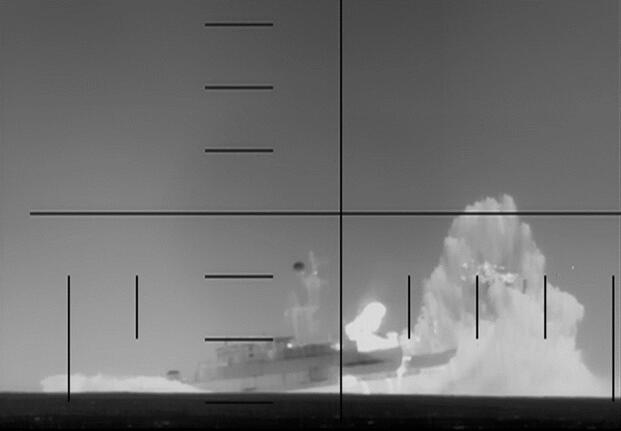
In an unprecedented naval engagement, a U.S. Navy submarine has sunk an Iranian warship, marking a historic moment as the first occurrence since World War II where an American submarine has destroyed an enemy vessel in combat. The incident unfolded in the Indian Ocean, highlighting the strategic capabilities and range of the U.S. submarine fleet.
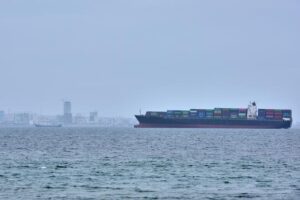
The IRIS Dena, a Moudge-class frigate with around 180 crew members on board, was the target of the U.S. Navy’s fast-attack submarine torpedo, as confirmed by the Pentagon. The vessel met its fate approximately 20 nautical miles south of Galle, Sri Lanka. Local authorities managed to rescue 32 wounded sailors, while about 100 remain missing. The deputy foreign minister of Sri Lanka reported that at least 80 individuals lost their lives in this strike. For more details, visit the full report.
Strategic Strike in International Waters
Defense Secretary Pete Hegseth, during a Pentagon briefing, shed light on the operation, saying, “Yesterday, in the Indian Ocean… an American submarine sunk an Iranian warship that thought it was safe in international waters. Instead, it was sunk by a torpedo. Quiet death. The first sinking of an enemy ship by a torpedo since World War II.” The attack was executed using a Mark 48 torpedo launched from a U.S. Navy submarine, with footage showing the frigate’s destruction.
The IRIS Dena was en route from the 2026 International Fleet Review in Visakhapatnam, India, navigating international waters when the strike occurred. The Pentagon released video evidence showing a significant explosion at the ship’s stern prior to it sinking.
Operation Epic Fury: A Decisive Campaign
General Dan Caine of the Joint Chiefs of Staff revealed that over 20 Iranian naval vessels have been neutralized under Operation Epic Fury, effectively diminishing Iran’s naval power. Hegseth described the Iranian Navy as “combat ineffective, decimated, destroyed, defeated.”
The specific submarine involved remains undisclosed, adhering to security protocols regarding submarine operations.
Historic Naval Engagements
This incident echoes historical naval warfare, with the last U.S. submarine torpedoing an enemy ship during World War II, when the USS Torsk sank a Japanese vessel in the Sea of Japan. The sinking of IRIS Dena also marks the first time in nearly 44 years that a submarine has achieved a combat kill, a feat last accomplished by the Royal Navy during the Falklands War.
The strike signifies only the second instance of a nuclear-powered attack submarine achieving a combat kill, and the first with a guided torpedo. The U.S. Navy has maintained a fully nuclear-powered submarine fleet since 1990.
Implications for the Indo-Pacific
The location of the incident, within the 7th Fleet’s Indo-Pacific area of operations, underscores the extensive reach of American submarines. While Operation Epic Fury is under CENTCOM’s purview, the strike occurred well beyond its typical jurisdiction.
The Pentagon has not specified which fleet the submarine belonged to, reflecting the strategic confidentiality of submarine deployments. Regardless, the event underscores the formidable range and stealth of U.S. submarine forces.
As Hegseth concluded, “Like in that war, back when we were still the War Department, we are fighting to win.”
For further insights into American naval strategy, explore this analysis.