The Unforeseen Consequences of a U.S. Submarine Strike on an Iranian Frigate
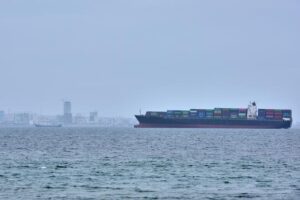
In a surprising turn of events, a U.S. submarine launched a Mark 48 torpedo at the Iranian frigate IRIS Dena on March 4, shortly after the vessel participated in Exercise MILAN with the Indian Navy. This unexpected attack resulted in the tragic loss of over 80 crew members, with 32 survivors rescued by Sri Lanka’s navy, leaving many questions unanswered.
The submarine’s departure without offering assistance or alerting authorities has sparked intense debate about the legality of the strike and the responsibilities of the U.S. under international law. Scholars and officials are questioning whether the action violated the Geneva Convention and if the president had the constitutional power to initiate such a campaign.
Legitimacy of the Target
Iran quickly labeled the Dena as a defenseless target. Their ambassador to India stated the frigate was “unarmed and in a regular maneuver at sea.” Former Indian diplomat Kanwal Sibal supported this claim, suggesting the exercise enforced a “peace protocol” prohibiting live ammunition. However, India’s Press Information Bureau contradicted this by confirming live firings occurred during MILAN 2026, leaving the actual status of the Dena unclear.
Despite these claims, under naval warfare law, a warship’s legitimacy as a target is based on its flag and role in conflict. The Dena, as an Iranian Navy vessel, was a valid military target, given Iran’s open conflict with the U.S., though the legality of this conflict is now under scrutiny.
The Role of the P-8A Poseidon
During MILAN 2026, a P-8A Poseidon maritime patrol aircraft participated, potentially contributing to the targeting of the Dena. The aircraft’s capabilities include detecting and tracking submarines, which raises questions about whether it gathered intelligence used in the strike. The Pentagon has not clarified if there was a direct connection, leaving open the question of whether this was an unprecedented use of intelligence from a naval exercise.
U.S. Submarine’s Decision to Depart
The decision for the submarine to leave the scene has been criticized as a possible breach of Article 18 of the Second Geneva Convention, which mandates rescue efforts post-engagement. Historical context, such as Admiral Doenitz’s Laconia Order during WWII, provides a precedent for submarines’ reluctance to surface due to vulnerability. The Pentagon has not publicly addressed if conditions allowed for a rescue, considering another Iranian vessel’s presence added to the risks.
Constitutional Debate in Congress
The operation proceeded without Congress’s formal authorization, sparking a constitutional debate. Attempts to pass war powers resolutions in both the Senate and House failed, demonstrating Congress’s reluctance to challenge executive military actions. Secretary of State Marco Rubio asserted compliance with the War Powers Resolution while questioning its constitutionality.
As discussions continue on the legality and implications of the strike on the IRIS Dena, the broader impact on U.S.-India relations and international naval cooperation remains a critical issue.