U.S. Military Intensifies Strikes on Iran, Targets Diminish
In a significant escalation, U.S. military operations have expanded their reach against Iran, marking a pivotal moment in the ongoing conflict. As part of Operation Epic Fury, American bomber forces have aggressively targeted nearly 200 sites within Iran, focusing on reducing Tehran’s military capabilities.
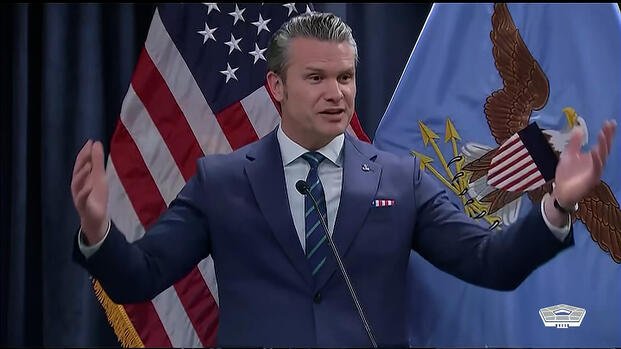
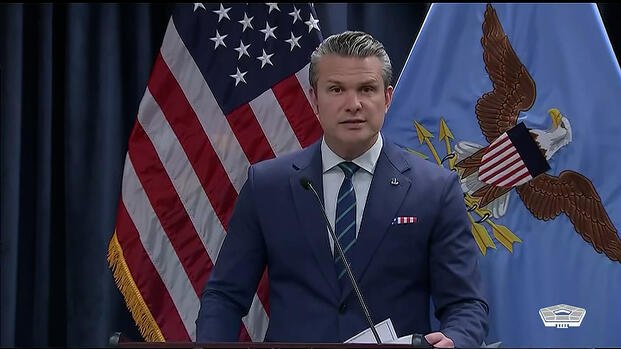
Secretary of Defense Pete Hegseth and Admiral Brad Cooper of U.S. Central Command revealed that the intense bombardment over the past 72 hours has coincided with a marked decrease in Iranian missile and drone attacks. Admiral Cooper stated, “In just the last 72 hours, America’s bomber force has struck nearly 200 targets deep inside of Iran, including around Tehran.”
Significant Reduction in Iranian Missile Launches
Since the commencement of the operation, there has been a substantial drop in Iran’s missile launches, with a reported 90% decrease in ballistic missile activity. Similarly, drone attacks have plummeted by 83%. Such outcomes are attributed to targeted strikes on missile launchers and air defense systems.
Despite the intense bombing campaign, Iranian-allied militia groups have continued to fire missiles at targets in Israel, Arab states, and U.S. positions. This development has raised fears of a broader regional conflict.
Naval Operations Target Iranian Vessels
The U.S. military has also ramped up attacks on Iranian naval assets. Initially, 24 Iranian ships were destroyed, a figure that has now increased to over 30, according to Cooper. The strikes aim to cripple Iran’s maritime capabilities, which have been a significant part of Tehran’s military strategy.
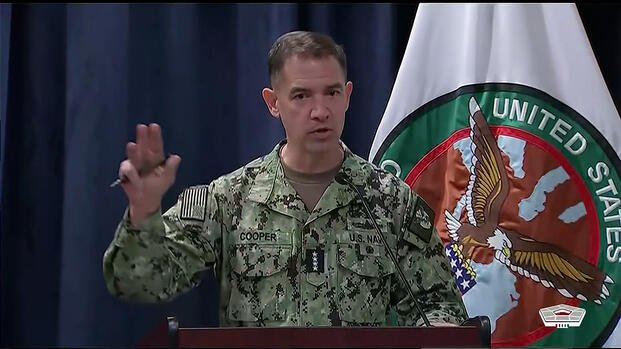
President Donald Trump previously announced the destruction of Iranian naval assets, emphasizing the strategic importance of these operations. “In just the last few hours, we hit an Iranian drone carrier ship roughly the size of a World War II aircraft carrier,” Cooper reported.
Focus on Long-Term Degradation of Iran’s Missile Arsenal
The next phase of the campaign aims to dismantle Iran’s ability to rebuild its missile capabilities. The operation will target Iran’s ballistic missile industrial base to ensure long-term strategic advantage. Cooper stated, “The president gave us another task to level Iran’s ballistic missile industrial base.”
Addressing Misinformation
Defense officials have countered multiple claims from Iranian sources, describing them as propaganda. Pete Hegseth dismissed reports of American casualties and downed aircraft as false, asserting, “As you can imagine, Iran is doing everything it can to peddle lies, deception and inflation of numbers.”
As the operation continues, Pentagon officials assure that resources, including munitions, are sufficient to maintain the campaign. They emphasized the precision and scale of U.S. military capabilities, underscoring their readiness to sustain operations as needed.