Proposed Legislation Aims to Involve Local Authorities in New ICE Detention Center Decisions
In a move to increase local oversight, Arizona Democratic Senators Mark Kelly and Ruben Gallego are endorsing new legislation that mandates Homeland Security to obtain approval from local authorities before establishing ICE detention centers in their jurisdictions.
The proposed Respect for Local Communities Act introduces a requirement for public commentary and written consent from state and local officials for the planned ICE facilities. Additionally, it stipulates that congressional committees must be informed.
This legislative initiative emerges amid plans by the Department of Homeland Security to inaugurate two new detention facilities in Arizona, one of which is set to be located at a former jail in Marana, just outside Tucson.
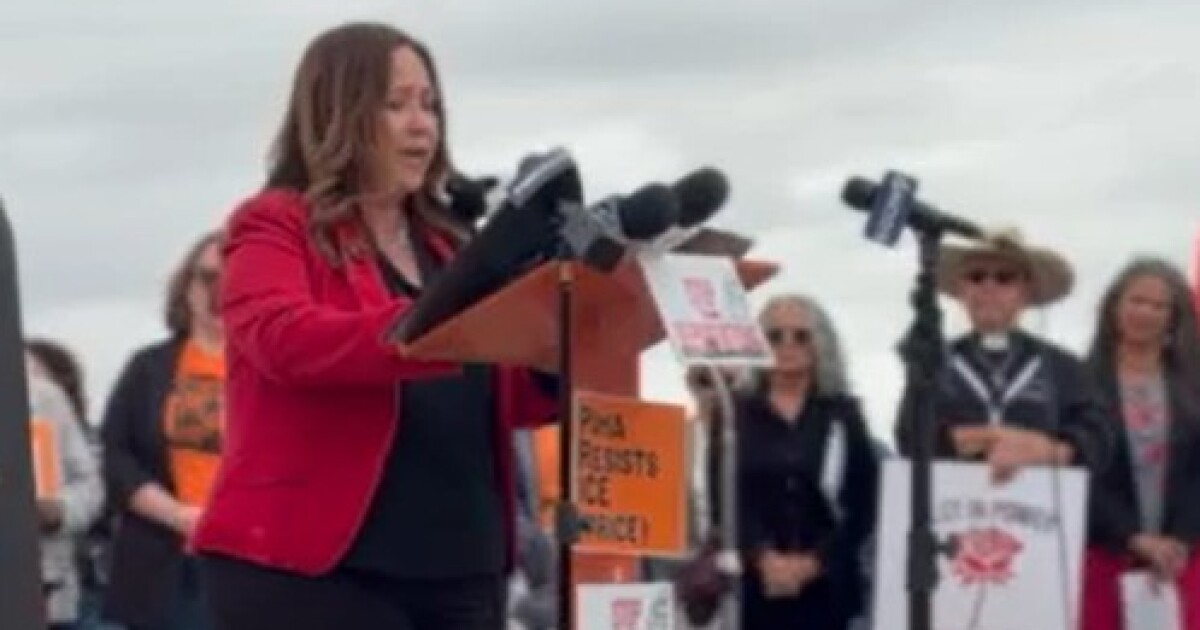
Local resistance is evident as demonstrated by a gathering of Grijalva, local leaders, and protesters outside the gated Marana Prison complex, a former state prison acquired by Management & Training Corporation last year for $15 million.
Patrick Cavanaugh, a Marana City Councilmember, conveyed initial uncertainty among local officials regarding the acquisition’s purpose. “They own it. And they bought it for 15 million. We were hoping they’d just come in and just convert it back to a minimum security prison, but we found out it’s going to be an ICE detention center,” Cavanaugh stated.
An agreement released by ICE last month detailed plans to detain approximately 512 men at the facility, marking the first public acknowledgment of the agency’s intentions for the site.
Cavanaugh, among the protestors at the jail, expressed opposition to these plans, reflecting broader local sentiment. The Pima County Board of Supervisors previously passed a resolution against the new facility and urged other local officials to follow suit. While some view the resolution as symbolic, Cavanaugh hopes for some degree of oversight if the facility becomes operational.
Tucson immigration attorney Daniela Ugaz, who participated in the protest, highlighted the potential for increased enforcement pressures associated with ICE facilities. “And the more facilities there are like this, the more pressure there is for police forces or any kind of law enforcement to work with immigration to force new contracts,” Ugaz commented.
In parallel, a similar legislative proposal was introduced in the U.S. House by Democratic Representative Chris Pappas of New Hampshire last month, though it has not yet seen significant progress.