United Farm Workers Rethink Cesar Chavez Celebrations Amid Allegations
The legacy of Cesar Chavez, a prominent figure in the labor movement, is under scrutiny as the United Farm Workers union has decided to take a step back from annual celebrations honoring their founder. The decision comes after the emergence of unspecified allegations deemed troubling by the union.
In a recent statement, the union expressed concerns regarding allegations of “abuse of young women or minors.” Consequently, they have encouraged people to focus on immigration justice events or acts of service during March, traditionally a time to celebrate Chavez’s contributions.
Despite these allegations, the union clarified that it has not received direct reports or firsthand knowledge of such incidents. Efforts to obtain further comments from both the union and the Cesar Chavez Foundation were unsuccessful. The union stated, “Some of the reports are family issues, and not our story to tell or our place to comment on.”
Several events planned to honor Chavez in San Francisco, Texas, and Arizona have been canceled at the foundation’s request. The foundation also acknowledged awareness of disturbing allegations related to Chavez’s tenure as union president. Organizers of these events have not provided comments regarding the cancellations.
Both the union and the foundation are considering ways to allow individuals who may have been affected by Chavez to share their experiences confidentially. The union admitted, “These allegations have been profoundly shocking. We need some time to get this right, including to ensure robust, trauma-informed services are available to those who may need it.”
California was the first state to designate March 31, Chavez’s birthday, as a day to honor the labor leader. The initiative has since been adopted by other states. In 2014, then-President Barack Obama declared March 31 as national Cesar Chavez Day, encouraging Americans to remember his legacy.
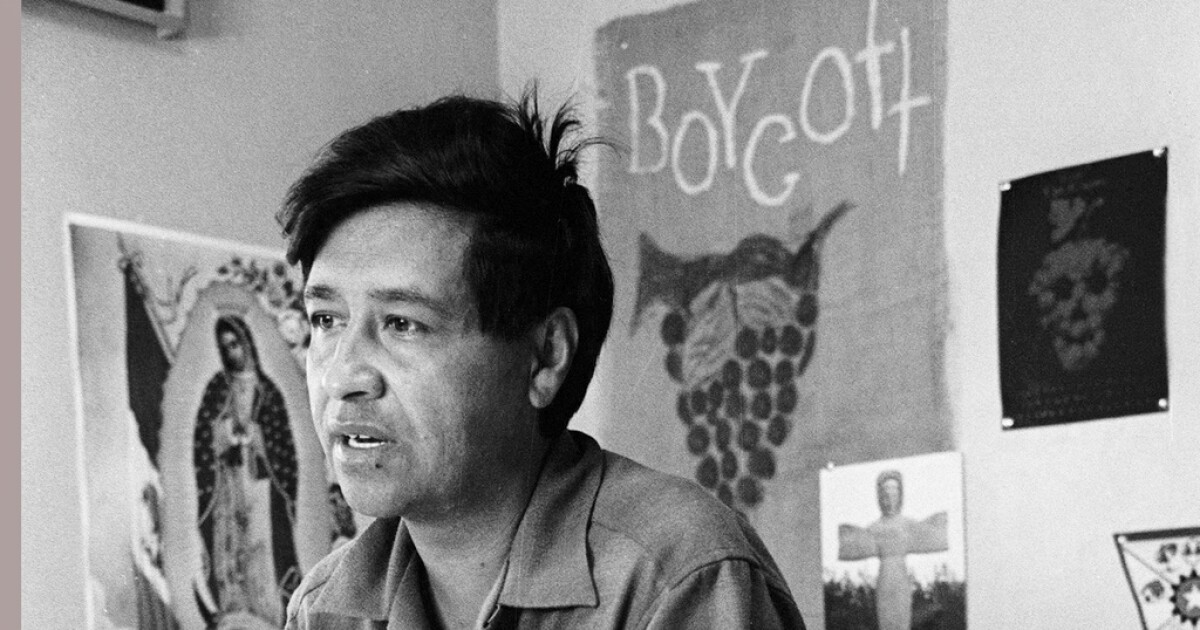
Cesar Chavez, born in Yuma, Arizona, became a national symbol for his work in organizing farmworkers. Known for his hunger strikes and grape boycott, Chavez successfully negotiated with growers to improve wages and working conditions.
In 1962, Chavez, along with Dolores Huerta, established the National Farm Workers Association, later known as the United Farm Workers of America. Chavez’s activism highlighted the poor pay and harsh conditions faced by farmworkers, many of whom were Spanish-speaking and had limited legal recourse.
Farmworkers play an essential role in California’s agribusiness, which is responsible for nearly half of the country’s fruits, nuts, and vegetables. Chavez’s efforts brought attention to the lack of basic amenities and fair wages for these workers, many of whom labored in challenging conditions.