Proposed Monument to Honor Assassinated Activists Sparks Political Debate
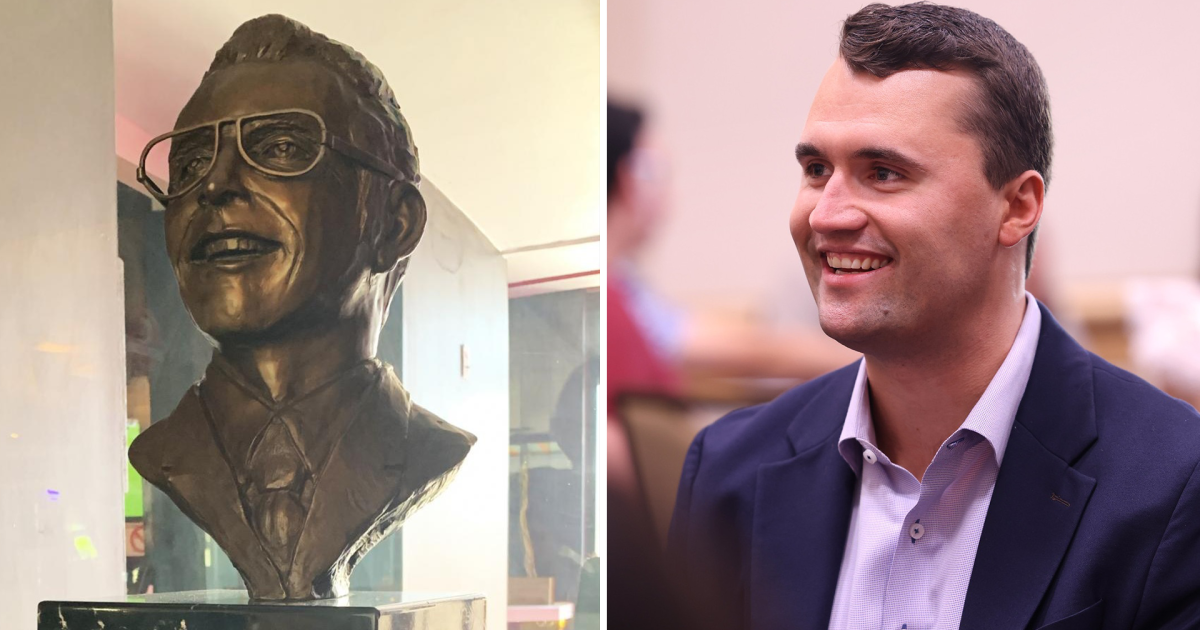
In a controversial move, supporters of a state monument for Charlie Kirk, who was killed last year, are attempting to tie his commemoration to that of slain journalist Don Bolles, hoping to gain legislative approval. However, this strategy has received resistance, particularly from Democrats.
Despite Sen. Jake Hoffman’s efforts to link the two figures, Democrats have been reluctant to back the proposal. Hoffman, who has connections to Kirk through Turning Point USA, is advocating for the monument, although opponents argue Kirk does not warrant such recognition.
The political weight lies with Republicans, who control both the Senate and House. The bill, SB 1686, which aims to honor both Kirk and Bolles, has already passed the Senate and the House Government Committee and now awaits a House vote.
Governor Katie Hobbs’ stance remains uncertain. She has previously vetoed a bill to honor Kirk with a license plate, suggesting she might also oppose this measure. Nevertheless, Hoffman is persistent, as similar initiatives to honor Kirk are in progress, including naming a highway after him.
While bipartisan support exists for a memorial to Bolles in Wesley Bolin Plaza, Hoffman’s previous refusals to hear Bolles’ memorial bills in the Senate have thwarted past efforts. Now, Hoffman is open to honoring Bolles but insists on a joint monument with Kirk.
Hoffman described Bolles as “a defender of free speech” and a fighter against fraud. He also justifies Kirk’s inclusion, citing his dedication to civil discourse and his Arizona roots, highlighted by TPUSA’s headquarters and a large memorial gathering.
SB 1686 proposes individual monuments for Bolles and Kirk, contingent on private funding, and renames Wesley Bolin Plaza to include Kirk’s name. This additional honor for Kirk is not extended to Bolles, justified by Hoffman’s view of Kirk’s influence among students and his role in TPUSA.
Despite objections, such as Rep. Aaron Marquez’s failed attempt to separate the honors, Democrats on the committee are left with an all-or-nothing decision, which they find objectionable. Marquez questioned Kirk’s civil rights stance, highlighting past controversial statements by Kirk, including his critique of the Civil Rights Act.
Rep. Stephanie Stahl Hamilton expressed concerns about politicizing a space meant for Arizona’s shared history. Her objections echo Governor Hobbs’ earlier statement against politicizing government functions.
House Government Committee Chair Rep. Walt Blackman acknowledged comparisons of Kirk to Martin Luther King Jr. but emphasized the importance of free speech. He stated, “We want our rights protected, whether we agree with him or not.”
Hoffman remains uncertain about the bill’s fate under Gov. Hobbs but criticized her as a “radical partisan.” The outcome of this legislative effort remains to be seen.