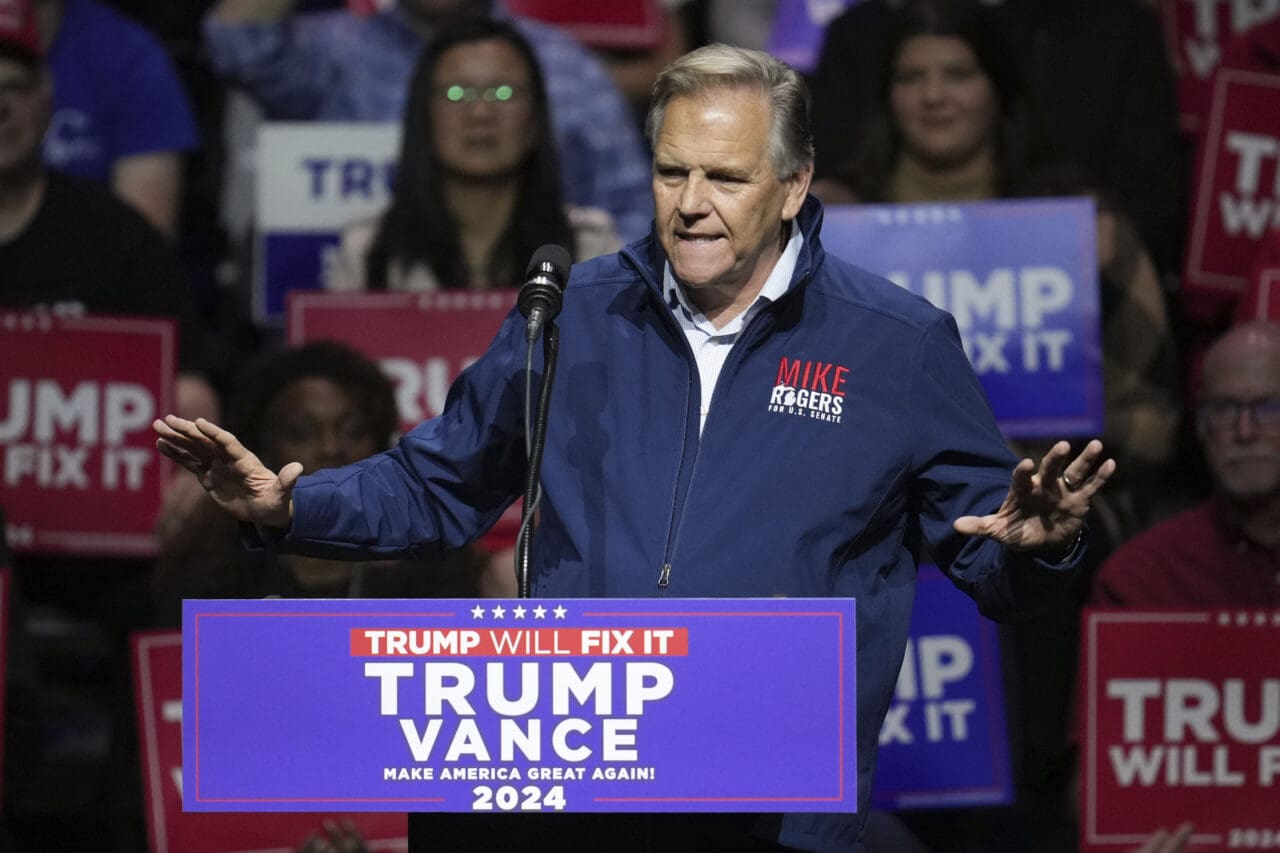
Mike Rogers’ Claims on Opioid Epidemic Under Scrutiny Amid Senate Bid
Amid his campaign for the U.S. Senate in Michigan, Republican candidate Mike Rogers faces criticism regarding his past involvement in addressing the opioid crisis. Rogers recently highlighted his efforts in a Deadline Detroit editorial, but some of his assertions have been challenged.
During his tenure in Congress from 2001 to 2015, Rogers supported the National Pain Care Policy Act, legislation criticized for encouraging the use of pharmaceuticals like OxyContin to manage chronic pain. Critics argue that this approach contributed to the opioid crisis rather than mitigating it. The act, as implemented, did not include measures to curb overprescription or enhance law enforcement’s capacity to manage opioid distribution.
Rogers defended the legislation, stating, “In Congress, I voted to allow Americans who are suffering from debilitating pain to have access to the treatment they need to live comfortably.” He claimed the act included safeguards to prevent addiction. However, the absence of penalties for overprescription and a lack of prescribing limits have raised questions about its effectiveness.
In 2003, Rogers publicly supported the National Pain Care Policy Act alongside the American Pain Society, a nonprofit organization that advocated for chronic pain awareness and pharmaceutical treatments. The society disbanded in 2019 following accusations of collusion with pharmaceutical companies to promote opioid use, as reported by The Guardian.
Further scrutiny stems from Rogers’ financial ties to the pharmaceutical industry. Since 1999, he has received over $1 million in donations from pharmaceutical companies and health care entities, according to Michigan Independent.
Data from the Michigan Department of Health and Human Services illustrate a correlation between opioid prescription rates and overdose incidents in the state, particularly from 2001 to 2010. The FDA’s 2010 measures to reformulate OxyContin and restrict opioid prescriptions coincided with a subsequent rise in heroin and fentanyl overdoses.
Rogers is anticipated to secure the Republican nomination for the August 4 primary in Michigan, having previously run for the U.S. Senate in 2024 without success. Meanwhile, several Democrats, including Rep. Haley Stevens, state Sen. Mallory McMorrow, and physician Abdul El-Sayed, vie to challenge him in the upcoming election.