Food Banks in Michigan Struggle Amid Rising Costs and Funding Cuts
In the aftermath of escalating tensions and the possibility of a U.S.-Israel conflict with Iran, the prices of essential commodities like oil and gasoline have been steadily increasing. This situation has had a significant impact on food banks across Michigan, which are now grappling with a surge in demand amidst rising operational costs.
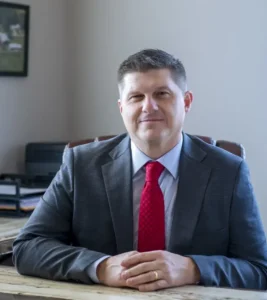
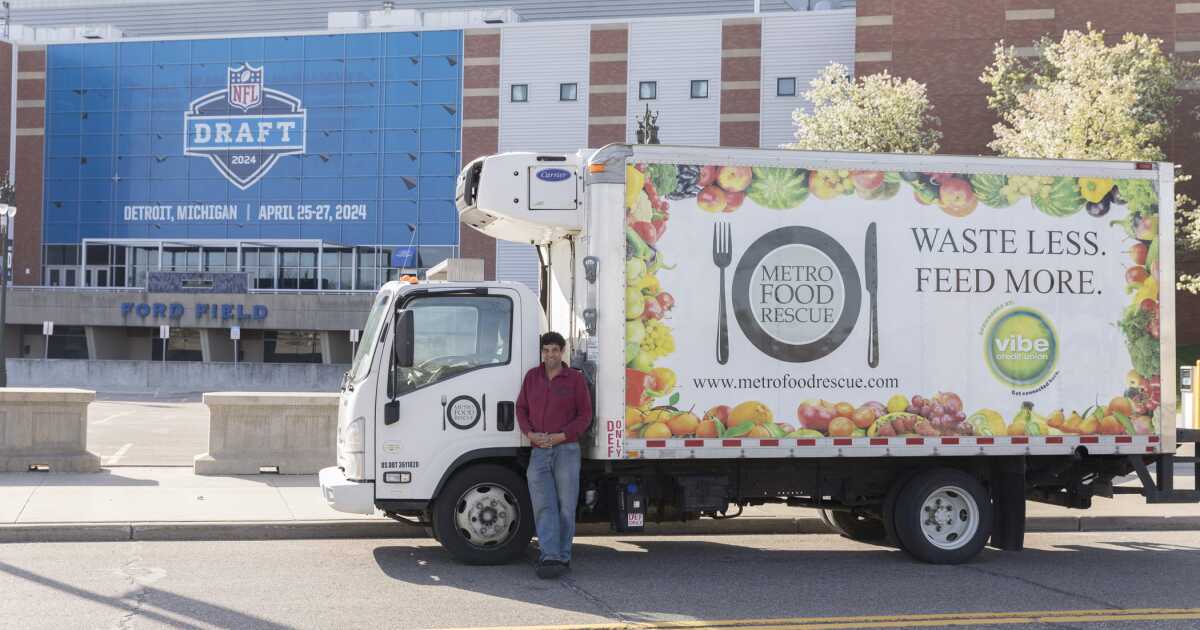
Ken Estelle, the President & CEO of Feeding America West Michigan Food Bank, highlighted the challenges they are facing due to the spike in gas prices. The food bank serves 40 counties and approximately 800 partners in the state, relying on truck transportation over a vast service area of about 700 miles.
Estelle explained, “Diesel fuel is currently a big challenge for us because it’s over $5 a gallon, which is more than what we had planned on. So basically we’re right now spending about $7,000 a month more on diesel fuel than what we would have planned, which is equivalent to about 28,000 meals.”
Aside from the impact of rising costs, food banks in Michigan are also contending with federal funding cuts. The Trump Administration slashed $500 million, approximately a quarter of the 2024 funding, from the Emergency Food Assistance Program (TEFAP), as reported by ProPublica.
Estelle noted that around 30% of the food distributed by Feeding America West Michigan comes from federal programs, primarily TEFAP. Moreover, under recent legislation, there has been a substantial reduction in funding for the Supplemental Nutrition Assistance Program (SNAP), presenting additional challenges for food assistance programs.
Looking towards the future, food banks like Feeding America West Michigan and Gleaners Community Food Bank are exploring strategies to secure necessary funding, enhance food acquisition efforts, and engage community support to sustain their operations and continue serving those in need.
Kristin Sokul, Senior Director of Advancement Communications, Marketing, and Media/PR for Gleaners Community Food Bank, emphasized the need for collaborative community efforts to address the increasing demand for food assistance. Sokul highlighted the organization’s initiatives to diversify food sources, optimize funding allocation, and minimize food waste to overcome the deficit in donations.
As challenges persist, Sokul expressed optimism, stating, “Through times of challenge, we have seen our community come together to support our neighbors for the hunger-free communities that we know are possible. And this is an opportunity for our community to come together again.”