Australia Takes a Significant Step in Domestic Missile Production
In a historic move, the Australian army has conducted its inaugural test of a locally assembled Guided Multiple Launch Rocket System (GMLRS) at the Woomera Test Range in South Australia. This test represents a pivotal effort to develop long-range strike weapons domestically, reducing reliance on imports.
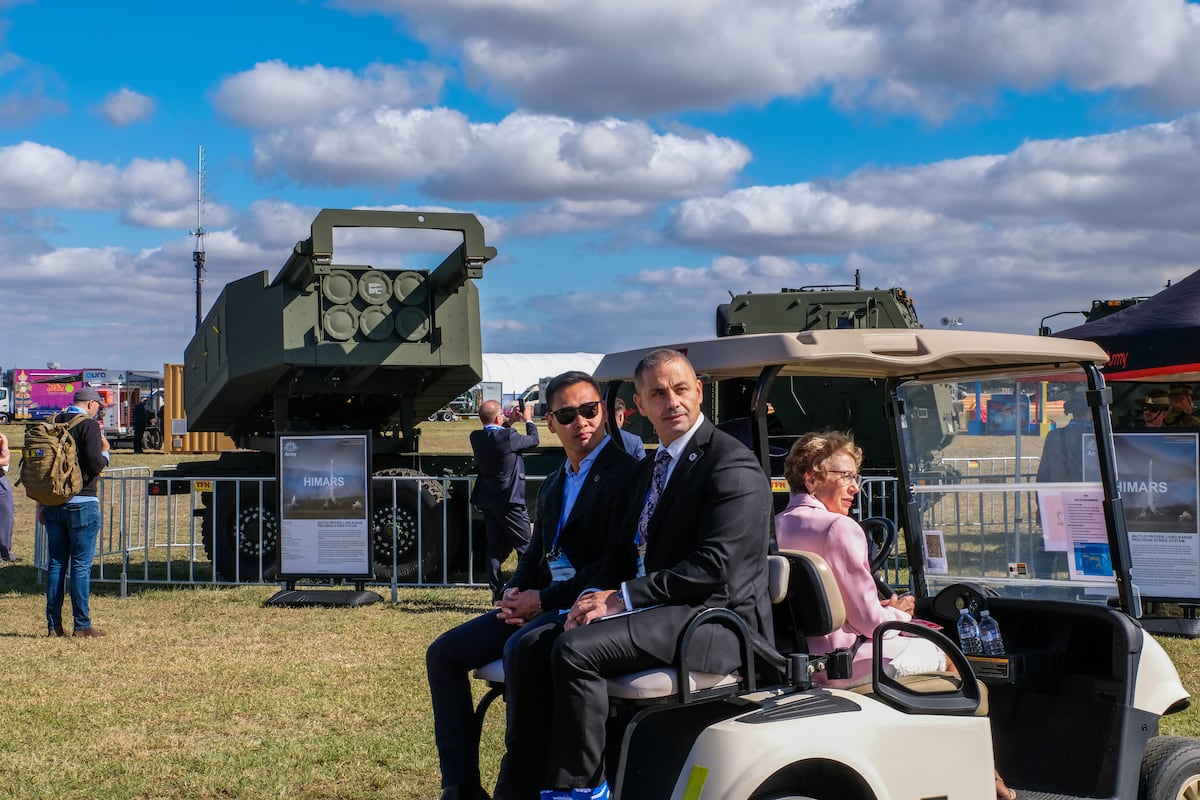
The GMLRS was deployed from an M142 HIMARS launcher, marking the third live-fire event for Australia’s HIMARS units since their arrival in March 2025. Australia has procured a total of 42 HIMARS launchers.
Lockheed Martin’s facility in Port Wakefield, South Australia, which commenced operations last December, is poised to gradually increase the proportion of locally manufactured components, transitioning from simple assembly of imported parts to full-scale domestic production.
Minister for Defence Industry Pat Conroy highlighted the significance of this advancement, stating, “Australia is now the only country outside the United States to make the GMLRS missile, providing opportunities for Australian industry to enter into global supply chains.” He further described the test firing as “a major milestone for Australia’s sovereign guided-weapons capability, demonstrating concrete progress in strengthening our national self-reliance and delivering a defense future made in Australia.”
The GMLRS initiative is a cornerstone of Australia’s Guided Weapons and Explosive Ordnance (GWEO) Enterprise, aimed at establishing sovereign weapon production capabilities. A bilateral agreement with the United States, signed in March 2024, outlines the production of up to 4,000 GMLRS rockets annually, significantly exceeding Australia’s own needs and creating export opportunities for Lockheed Martin.
James Heading, Director and General Manager of Missiles and Fire Control at Lockheed Martin Australia, emphasized the global perspective, saying, “We’re not just looking at Australian consumption, we’re looking at the global supply chain.” The production is expected to accelerate in 2026, as the project transitions from risk-reduction to stage one production.
Heading noted the integration of Australian production with Lockheed Martin’s U.S. facility in Camden, Arkansas, to ensure alignment with the American manufacturing cycle. Despite its importance, the GMLRS is currently the shortest-range rocket for HIMARS, prompting plans to develop a 93-mile-range Extended Range variant.
The Australian Department of Defence expressed optimism about future capabilities, stating that Australian-made GMLRS missiles will pave the way for future long-range munitions, including the Precision Strike Missile (PrSM) and hypersonic weapons, to be produced locally.
In June 2025, Australia and the United States signed a memorandum of understanding for the cooperative production of PrSMs, including sustainment and follow-on development, with provisions for potential Australian assembly. Canberra is committing approximately US$224 million over a decade to become a full PrSM cooperative partner, alongside US$106 million over five years for an initial missile batch.