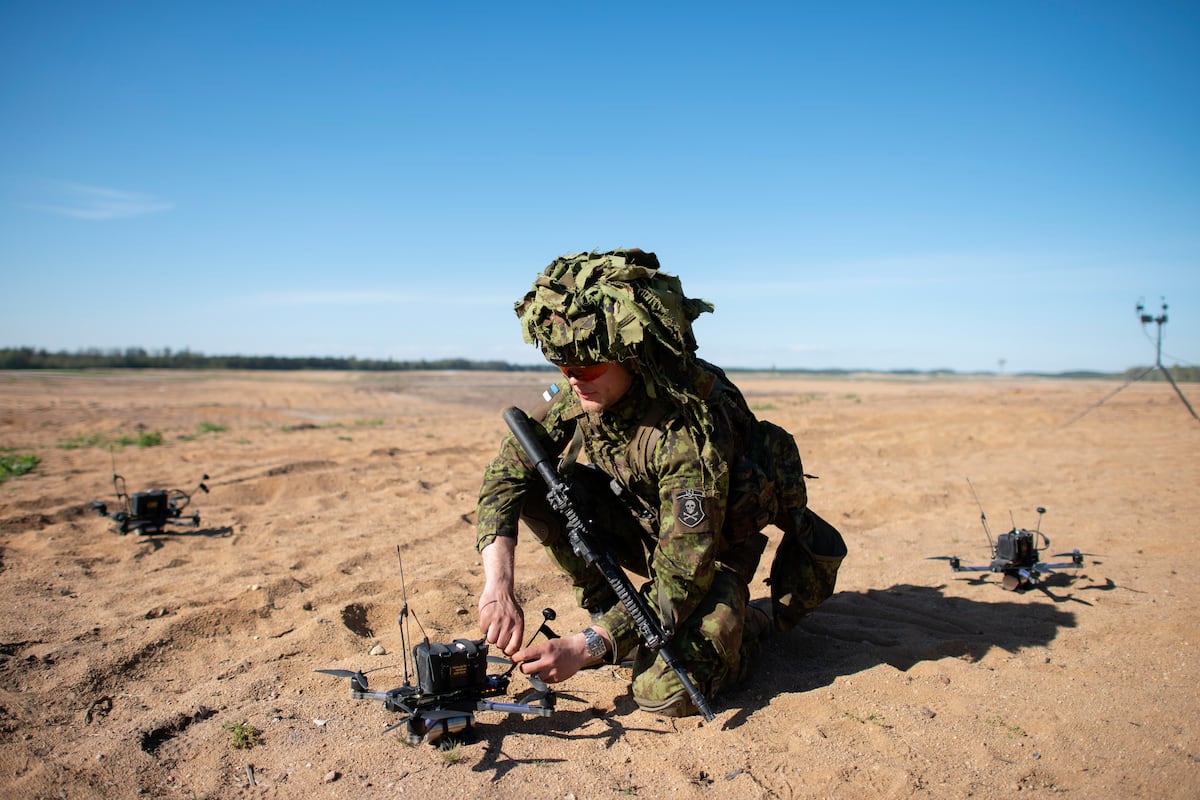
In a strategic shift, Estonia is reallocating its defense budget from purchasing new infantry fighting vehicles to enhancing drone and air-defense capabilities. This move reflects lessons learned from recent global conflicts and underscores the nation’s commitment to adaptive defense strategies.
Estonia’s Defense Strategy Shift
Estonia has opted to delay its planned €500 million ($590 million) investment in new infantry fighting vehicles. Instead, the focus will be on upgrading its drone technology, counter-drone measures, and air-defense systems. Estonian Defense Minister Hanno Pevkur cited the decision as a response to insights gained from the ongoing conflict in Ukraine. The existing fleet of CV90 vehicles will have their service life extended by at least a decade, according to the government statement.
Comparative Defense Approaches in the Baltic States
While Estonia is prioritizing modernization over new acquisitions, neighboring Latvia and Lithuania are pursuing different approaches. Latvia has chosen to acquire Ascod infantry fighting vehicles, and Lithuania is set to purchase new CV90s. This divergence highlights the varied defense strategies within the Baltic region.
Modernization Plans for CV90 Vehicles
Andri Maimets, spokesman for the Estonian Centre for Defence Investments (ECDI), elaborated on the plan: “We have decided that, at present, it is more rational to modernize the existing infantry fighting vehicles rather than replace them. Modernization will ensure the sustained preservation of capability and the efficient use of resources.” The upgrades will include new electronics and enhanced weapon and targeting systems.
Background and Broader Implications
Estonia initially acquired 44 used CV90s from the Netherlands in 2019 and later rebuilt 37 additional hulls from Norway into support vehicles. This decision is framed within the broader context of Estonia’s military spending, which exceeds 5% of its GDP, surpassing NATO’s 3.5% target. Raimond Kaljulaid, a member of the National Defence Committee, stated, “If we want to invest more in counter-drone technologies or combat drones, the money must come from the existing budget.”
Future Prospects for Estonia’s Defense Industry
With plans to enhance domestic production of 155 mm artillery ammunition, Estonia is also looking to attract international defense industry players. Kaljulaid highlighted the nation’s success in developing unmanned technologies and emphasized the need to maintain regional competitiveness. As Estonia continues to evolve its defense strategy, the National Defence Committee will closely monitor these developments to ensure national security.