Texas Man Faces Execution Amid Controversy Over Confession and Jury Selection
In a complex case unfolding in North Texas, James Broadnax, convicted of a double murder in 2008, is scheduled for execution. His case has drawn significant attention due to allegations surrounding the prosecution’s use of his rap lyrics as evidence and claims of racial bias in jury selection.
Broadnax was sentenced to death for the fatal shootings of Stephen Swan and Matthew Butler outside a music studio in Garland, near Dallas. While Broadnax confessed to the crime in media interviews, his attorneys argue that Demarius Cummings, his cousin, has now admitted to being the actual shooter.
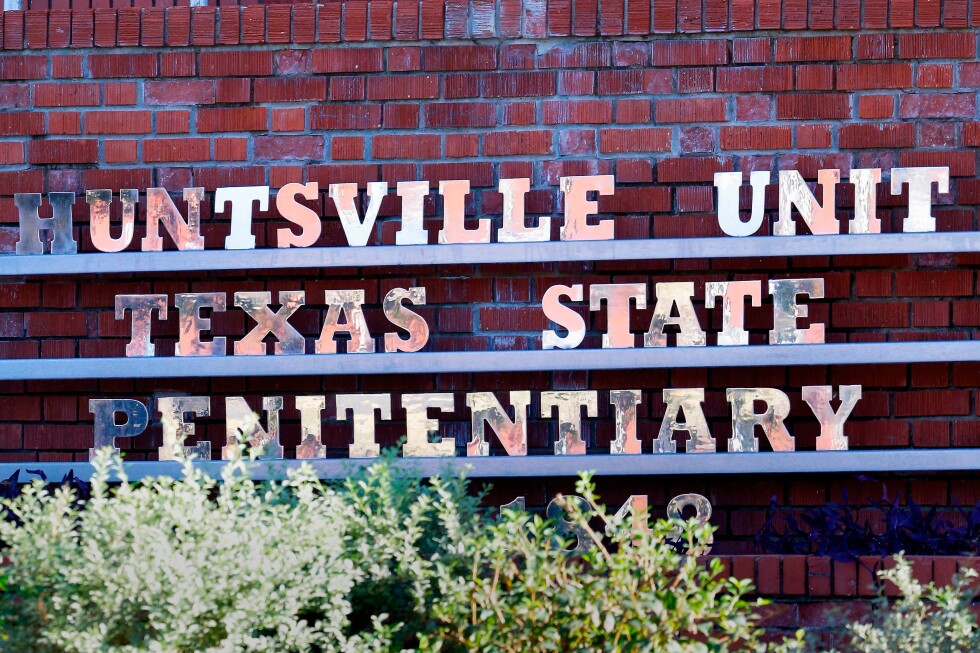
The execution is set to take place at the Huntsville state penitentiary, about 70 miles north of Houston. With time running out, Broadnax’s legal team has issued final appeals to the U.S. Supreme Court, citing Cummings’ recent confession and alleged racial discrimination during jury selection.
The defense argues that Cummings’ confession is supported by the presence of his DNA on the murder weapon, unlike Broadnax’s. Additionally, Broadnax’s attorneys claim he was not in his right mind during his confession, influenced by drugs and despair.
Broadnax has expressed remorse for his involvement in the robbery, stating, “I wish I could show them my soul, so they could see just how sorry I am. I am very much remorseful for everything that happened.” However, his attorneys maintain that his trial was unfairly influenced by racial bias, pointing to the prosecution’s elimination of seven Black jurors based on race, a claim denied by the state.
The legal arguments hinge on a 1986 Supreme Court ruling in Batson v. Kentucky, which prohibits racial discrimination in jury selection. Prosecutors, however, argue that the jurors were dismissed for non-racial reasons, including their views on the death penalty.
Broadnax’s appeal also challenges the use of his rap lyrics to depict him as violent, a tactic his legal team claims violated his constitutional rights. Notable artists such as Travis Scott, T.I., and Killer Mike have shown support for this facet of his appeal.
Despite the ongoing legal battle, the Texas Board of Pardons and Paroles has declined Broadnax’s request for clemency. The state Attorney General’s Office has labeled Cummings’ confession as “questionable new evidence” and maintains that the jury selection claims lack merit.
As the execution draws near, family members of the victims, like Matthew Butler’s mother, Theresa Butler, are urging that the original verdict be upheld, dismissing Cummings’ confession as a delay tactic by Broadnax’s defense.
Should the execution proceed, Broadnax will become the third individual executed in Texas this year. Concurrently, Florida plans to execute James Ernest Hitchcock for a separate crime, underscoring the ongoing use of capital punishment in the United States.
For more updates, follow Juan A. Lozano on X.