U.S. Space Force Pledges Commitment to 2028 Missile Shield Deadline
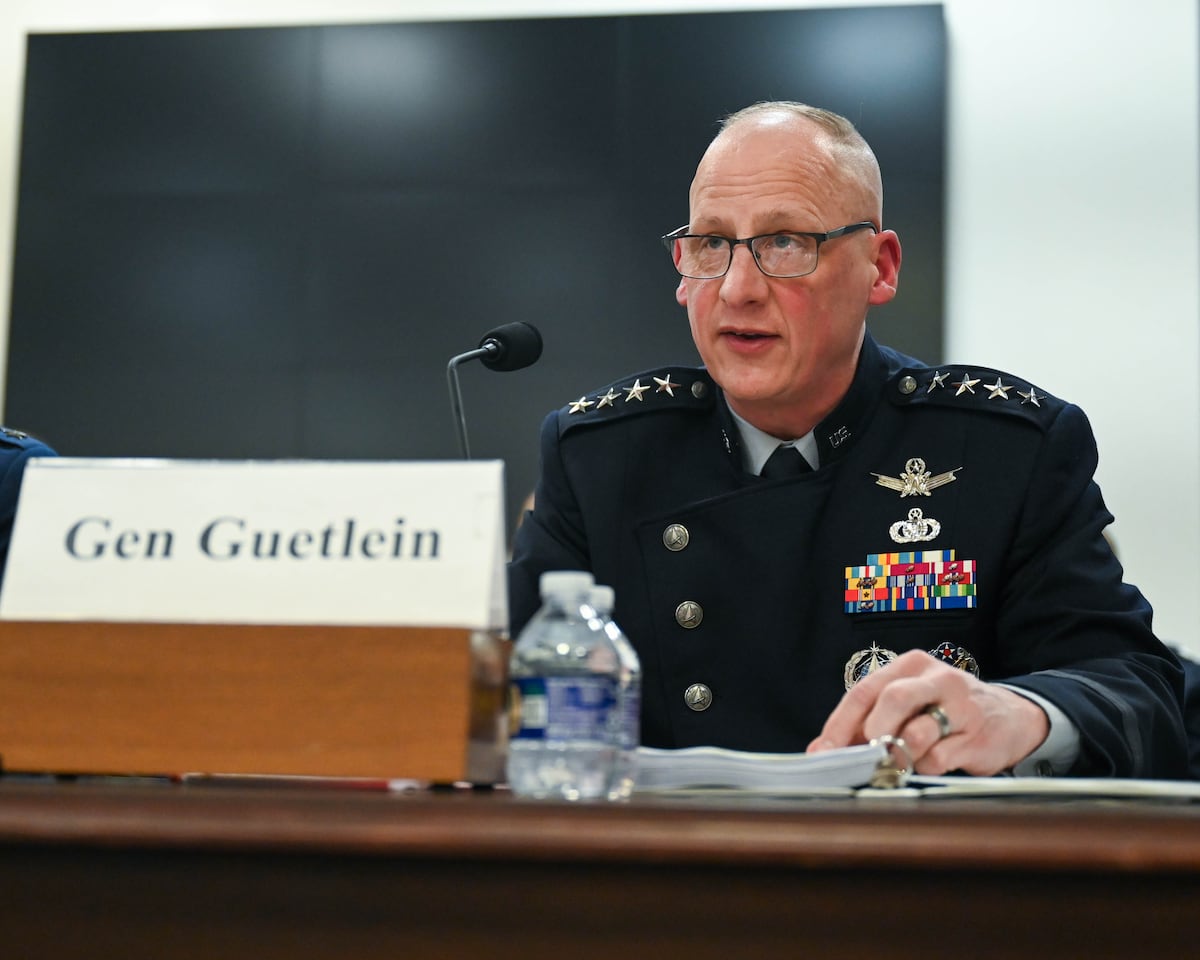
The U.S. Space Force is forging ahead with a $185 billion national missile defense project, aiming for operational readiness by mid-2028. This assurance comes from Gen. Michael Guetlein, who oversees the “Golden Dome” initiative, amidst concerns over funding and updates.
Appearing before the Senate Armed Services Committee, Gen. Guetlein emphasized the project’s steady progress. Despite pre-existing apprehensions, including those voiced by Rep. Jeff Crank, R-Colo., regarding delays, Guetlein remains optimistic about meeting the deadline.
Over recent months, Guetlein has engaged with over 400 potential contractors, indicating widespread industry interest. “We have built the foundation of Golden Dome upon a scalable, modular architecture,” Guetlein remarked, highlighting the project’s adaptable nature to incorporate emerging technologies if necessary.
A key development in the project is the establishment of an “ecosystem hub,” designed to streamline contractor engagement. This hub functions as a comprehensive platform for communication, strategic partnerships, and security measures, enhancing collaboration between the government and industry.
In efforts to bolster supply chain resilience, the Pentagon has employed data analysis firms to anticipate and mitigate potential threats. “We are embracing industry like we’ve never embraced industry in the past,” Guetlein stated, underscoring the increased collaboration.
Sen. Angus King, I-Maine, expressed skepticism about the project’s feasibility, especially given its substantial cost. He referenced the $3.5 billion cost of defending Guam alone as a point of concern. Nevertheless, Guetlein clarified that the Golden Dome’s networked defense approach differs significantly from isolated systems like those in Guam.
The Golden Dome will leverage advanced technology to create an interconnected defense network, aiming for efficient cost per intercept. The initiative also includes the Next-Generation Interceptor program by Lockheed Martin, overseen by the Missile Defense Agency. Despite a recent “replan” due to rocket motor issues, Air Force Gen. Heath Collins assured progress towards a 2029 test flight.
Collins confirmed that no major design issues persist, although some components require further refinement. Efforts continue to mitigate risks and accelerate timelines, striving to bring the deployment date closer.