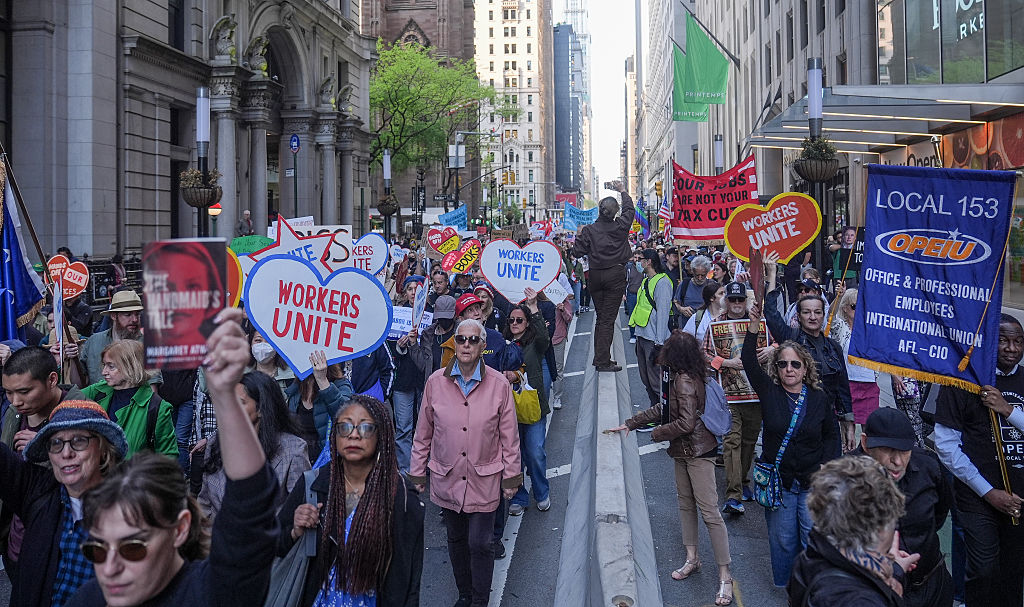
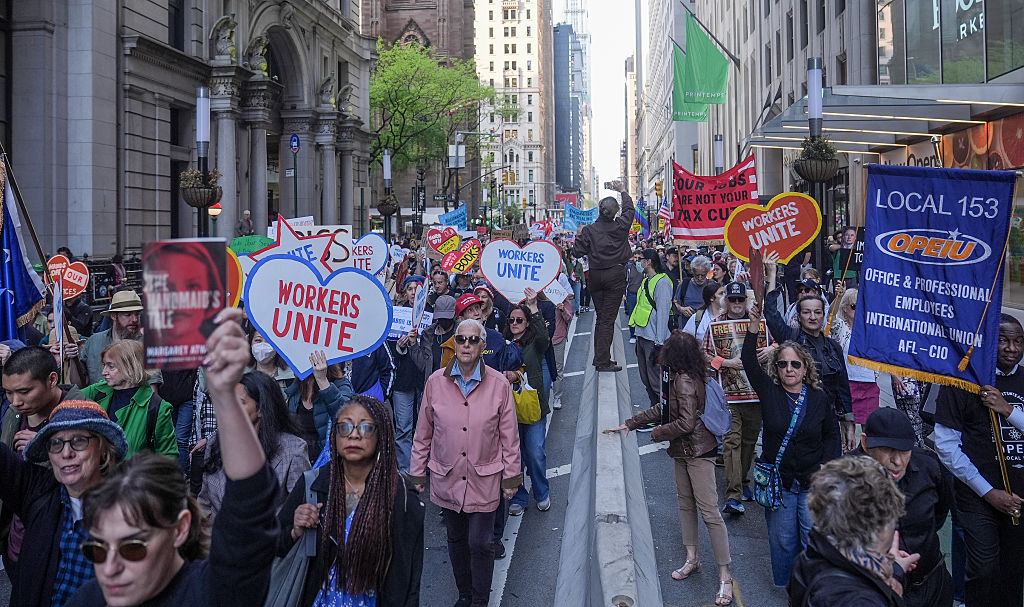
As the calendar turns to May 1st, the United States prepares for a wave of demonstrations marking International Workers’ Day, or May Day. This year, the “May Day Strong” demonstrations are anticipated to draw large crowds across various cities, following a string of protests that have become a staple during the latter part of President Donald Trump’s administration.
NPR reports that major urban centers including Chicago, Los Angeles, Seattle, New York City, and Washington, D.C. are gearing up for significant participation. Philadelphia, in particular, is closing several streets as part of the city’s anticipation of large gatherings, according to CBS News. Participants are also encouraged to join an economic blackout with the slogan: “No school, no work, no shopping.”
Organizers Speak Out
Leah Greenberg from Indivisible, a key organizer of the No Kings movement, emphasized the importance of the economic blackout as a “structure test” for their initiatives. “We are asking people to take a step into further exerting their power in all aspects of their lives,” Greenberg explained to The Guardian. The effort aims to build momentum towards greater collective action.
The National Education Association (NEA), the largest labor union in the country, is also actively involved in organizing the May Day events. NEA President Becky Pringle told NPR that the protests serve as a platform to push for a shift in focus from benefiting billionaires to prioritizing workers’ rights. “We know there are bus drivers in New York and teachers in Idaho and nurses in Louisiana who are feeling the impact of a system that has decided … to put billionaires ahead of everyone else,” said Pringle.
Protests and Political Climate
The Trump administration has faced ongoing criticism, reflected in numerous “No Kings” protests over the past 18 months, particularly opposing Trump’s immigration policies. A notable protest on March 28, following the deaths of Alex Pretti and Renee Good, was one of the largest in U.S. history.
Neidi Dominguez, a leader within May Day Strong, anticipates this year’s events will significantly surpass last year’s participation levels. The protests are fueled by a challenging job market and economic instability, which have left many Americans uncertain about their employment prospects, as reported in a recent poll.
The current administration’s approach has been criticized for failing to address economic hardships while engaging in international conflicts that raise living expenses. The decision to escalate tensions with Iran has notably increased prices across the board.
For those unable to attend the protests, participating in the economic blackout offers a way to contribute. Supporting local businesses over large corporations could help demonstrate consumer power against policies perceived to favor the wealthy.
SEE ALSO: