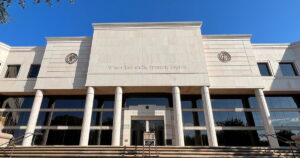
In a development that has sent shockwaves through both sides of the U.S.-Mexico border, ten individuals, including the governor of Sinaloa, have been accused of facilitating the trafficking of narcotics into the United States. The charges, revealed in a Manhattan court, spotlight alleged corruption at the highest levels of Mexican government.
High-Profile Political Accusations
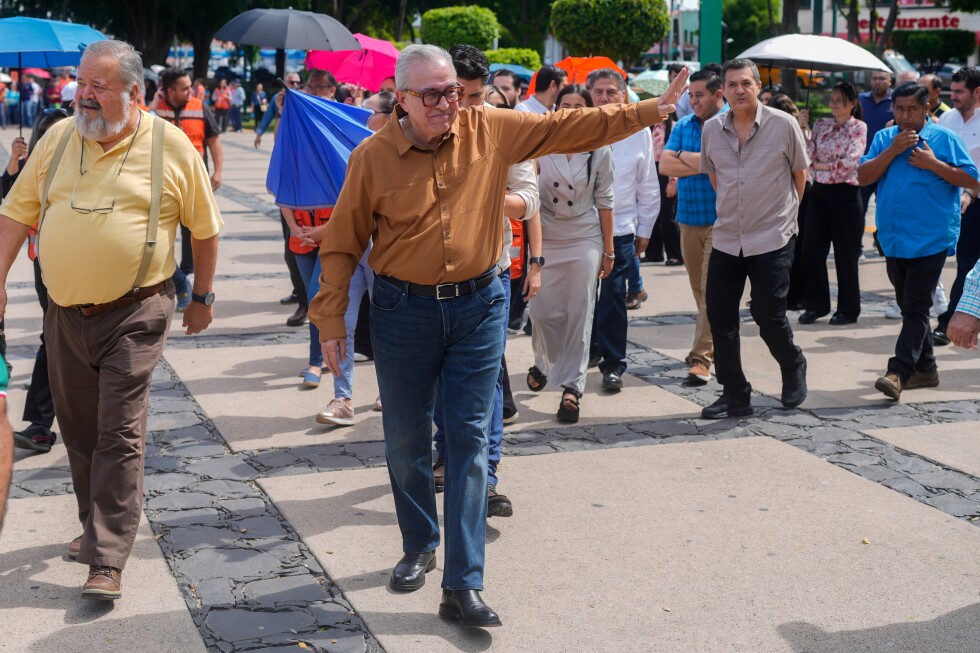
The indictment includes serious allegations against Rubén Rocha Moya, the governor of Sinaloa since November 2021. Accusations involve conspiracy to import narcotics and possession of weaponry, with potential penalties reaching life imprisonment. These charges pose a significant challenge to Mexico’s ruling Morena party, which is already under scrutiny.
Rocha, who is closely associated with former President Andrés Manuel López Obrador, is known for supporting the “Hugs, Not Bullets” policy, which aimed to reduce direct confrontations with drug cartels. Rocha has firmly rejected the accusations, labeling them as an attack on national sovereignty and his political party.
Alleged Cartel Connections
The indictment accuses the officials of colluding with the Sinaloa Cartel to facilitate drug trafficking and shield cartel operatives from law enforcement actions. This cartel, a powerful faction led by Joaquín “El Chapo” Guzmán’s sons, has allegedly benefited from insider information and protective measures provided by these officials in exchange for substantial financial compensation.
Among those charged are individuals holding significant roles, such as a Mexican senator and the mayor of Culiacan. The charges allege these officials were instrumental in distributing fentanyl, heroin, cocaine, and methamphetamine across the U.S. border.
Implications for Mexican Politics
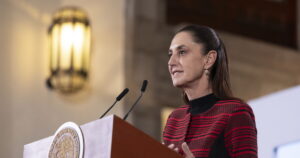
The allegations have placed Mexican President Claudia Sheinbaum in a precarious position as she navigates diplomatic relations with the U.S. Sheinbaum has called for concrete evidence from the U.S. to support the charges, stressing the necessity for the Mexican Attorney General’s Office to review any claims of corruption.
Political analysts, such as Vanda Felbab-Brown from the Brookings Institution, suggest that Sheinbaum faces a difficult decision: pursuing legal action against Rocha could strain U.S.-Mexico relations, yet hesitating might undermine her political standing domestically. This situation unfolds as the two nations prepare for critical trade negotiations, adding another layer of complexity to the diplomatic landscape.
The indictment marks another chapter in the ongoing battle against corruption linked to drug trafficking, echoing past high-profile cases such as that of former Mexican security secretary Genaro García Luna.