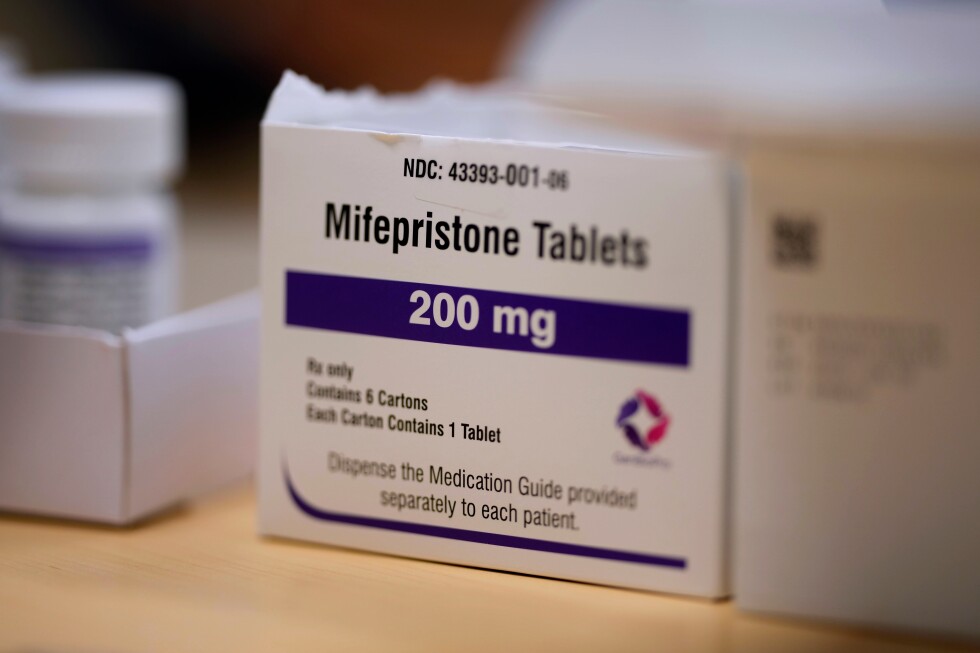
In a significant development affecting abortion access in the United States, a federal appeals court has issued a ruling that limits how one of the most prevalent abortion methods can be accessed. The decision blocks the mailing of mifepristone prescriptions, requiring that these pills be dispensed only in person at clinics.
This unanimous ruling came from a three-judge panel of the 5th U.S. Circuit Court of Appeals in New Orleans. It counters the Food and Drug Administration’s previous regulations and represents the most significant shift in abortion policy since the Supreme Court’s 2022 decision to overturn Roe v. Wade, which paved the way for states to enforce abortion bans.
Judge Kyle Duncan, appointed by former President Donald Trump, aligned with Louisiana’s argument that mailing the drug undermines the state’s comprehensive ban on abortion. The ruling emphasizes that “every abortion facilitated by FDA’s action cancels Louisiana’s ban on medical abortions and undermines its policy that ‘every unborn child is human being from the moment of conception and is, therefore, a legal person.’”
Mifepristone’s Role in US Abortions
Approved in 2000, mifepristone is a widely used medication for ending early pregnancies, often in combination with misoprostol. Surveys indicate that most abortions in the U.S. are conducted using pills, with about 25% facilitated through telehealth services. A survey of abortion providers suggests more women in states with abortion bans use this method than travel to other states for abortions. Democratic-led states have enacted laws to protect telehealth prescriptions in states with bans, resulting in legislative and legal challenges from abortion opponents.
Implications for FDA Authority
The decision presents a rare instance of a federal court overriding the FDA’s scientific regulations. Traditionally, courts have deferred to the FDA’s assessments regarding drug safety and regulation. The Trump administration’s FDA officials initiated a review of mifepristone’s safety, which remains incomplete. The ruling notes that the FDA “could not say when that review might be complete and admitted it was still collecting data.” Initially, due to rare severe bleeding cases, the FDA imposed strict prescribing and distribution limits on mifepristone, requiring in-person appointments with certified physicians. These restrictions were eased during the COVID-19 pandemic when the Biden administration deemed the pill safe for unsupervised use after extensive monitoring and study reviews.
GenBioPro, a manufacturer of generic mifepristone, criticized the ruling as disregarding the FDA’s scientific rigor and mifepristone’s decades of safe use, attributing the legal challenge to extremist opponents.
Nationwide Impact Beyond Banned States
Louisiana’s attorney general and a woman who claims she was coerced into taking abortion pills had previously urged that FDA rules revert to requiring in-person prescriptions. A federal judge in Louisiana acknowledged that these allowances conflicted with the state’s abortion ban, though did not immediately reverse the regulations. The recent ruling affects not just states with active bans but also those where abortion remains legal, as it restricts telehealth prescriptions universally.
Julia Kaye, an ACLU lawyer, stated, “This is going to affect patients’ access to abortion and miscarriage care in every state in the nation.” She highlighted that restrictions on telemedicine disproportionately impact rural areas, low-income individuals, people with disabilities, survivors of intimate partner violence, and communities of color.
The National Right to Life Committee supports the decision, describing it as a necessary oversight restoration in women’s health. Carol Tobias, the group’s president, remarked, “Women deserve better than an abortion-by-mail system that prioritizes ideology over safety.”
Potential Appeal to Supreme Court
The ruling sets the stage for a likely appeal to the Supreme Court. Louisiana Attorney General Liz Murrill expressed her commitment to defending the state’s position, stating, “I look forward to continuing to defend women and babies as this case continues.” The Supreme Court, having overturned nationwide abortion rights in 2022, preserved access to mifepristone in 2024 by ruling that the anti-abortion doctors lacked legal standing to sue in that instance.
While the FDA and the Department of Justice have not commented on the matter, anti-abortion groups are celebrating the ruling. Marjorie Dannenfelser of Susan B. Anthony Pro-Life America hailed it as “a huge victory for victims and survivors of Biden’s reckless mail-order abortion drug regime.” She criticized delays in the Trump administration’s review of mifepristone and emphasized that states have been compelled to take action due to federal inaction.