The Venice Biennale, known as the oldest and most prestigious contemporary art exhibition globally, is facing unprecedented challenges just days before its grand opening. The event has been thrown into turmoil following the resignation of its international jury, amid controversies surrounding the participation of certain countries.
The jury, consisting of President Solange Farkas and members Zoe Butt, Elvira Dyangani Ose, Marta Kuzma, and Giovanna Zapperi, stepped down without providing an explanation. However, the decision follows the jury’s earlier announcement to withhold awards from countries charged with crimes against humanity by the International Criminal Court, notably impacting Israel and Russia. This decision has been a point of contention, especially given Italy’s stance on these issues.
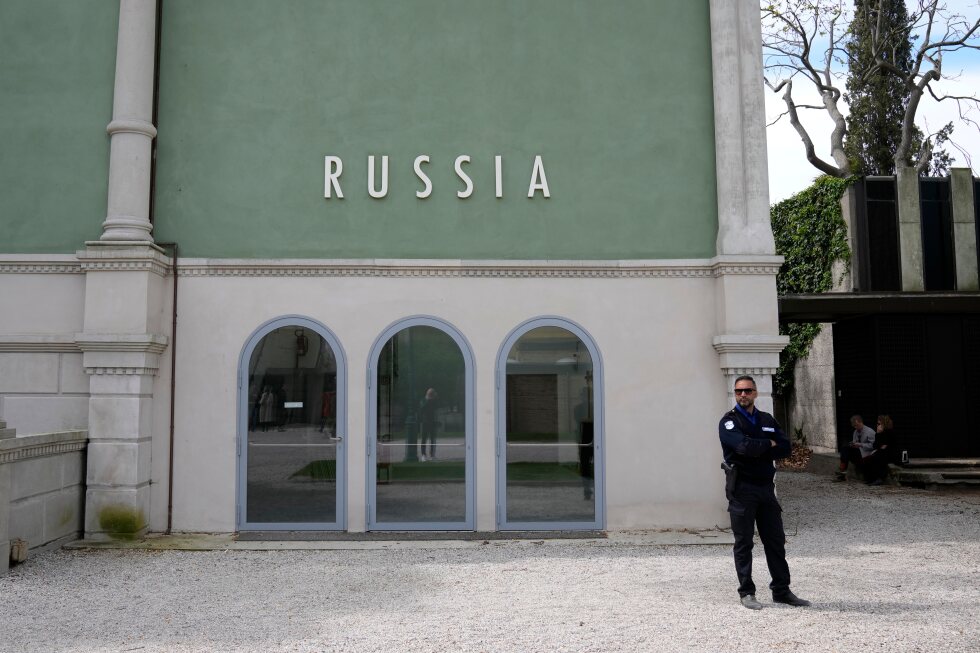
Russia’s involvement has sparked particular debate, with Culture Minister Alessandro Giuli stating he would skip the exhibition’s previews and opening day on May 9. The Biennale’s director, Pietrangelo Buttafuoco, has maintained his position on Russia’s participation, despite the Italian government’s disapproval.
In response to the controversy, the Culture Ministry dispatched officials to Venice to gather documentation after the European Union reduced its funding to the Biennale by 2 million euros, citing Russia’s inclusion. The ministry clarified that it did not influence the jury’s resignation.
Amidst these developments, Minister Giuli expressed solidarity with Israel. He communicated his support to Belu-Simion Fainaru, the artist representing the Israeli Pavilion, emphasizing Italy’s commitment to combating discrimination and antisemitism within its cultural institutions.
Fainaru responded, “I oppose discrimination, racism, and boycotts in all their forms. I believe in the fundamental principles of freedom of creation and freedom of expression, which must remain at the core of any artistic platform.”
Instead of the jury’s selection, this year’s awards will be decided by the visitors. The awards include the Best Participant in the 61st Exhibition “In Minor Keys,” curated by the late Koyo Kouoh, and the Best National Participation among the 100 national pavilions, to be announced on November 22.
Italian Premier Giorgia Meloni acknowledged the Biennale’s autonomy in allowing Russian participation, despite her government’s disagreement. She clarified that the resignations might not be linked to the ministry’s inspection.
Cabinet Minister Matteo Salvini endorsed the decision for visitor-driven awards, highlighting it as a move towards a more “autonomous and democratic Biennale.”
The Biennale has historically resisted exclusionary pressures, reiterating its stance that it lacks the authority to prevent participation by any country recognized by the Italian Republic. Since Russia owns its pavilion, built in 1914 in the Giardini, it needed only to notify its participation.
The Biennale, comprising a curated main exhibition and separate national pavilions, remains a distinguished platform for contemporary art, despite the current challenges.